

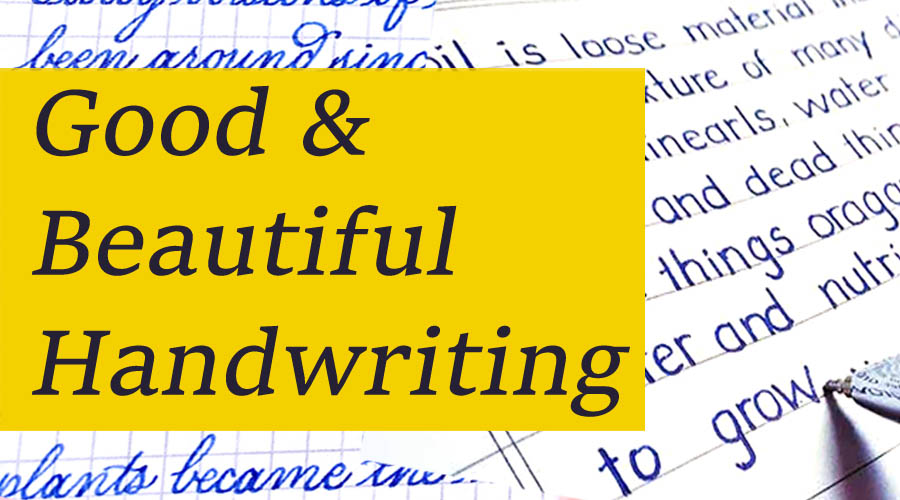
Despite the widespread use of technology in today’s world, the art of handwriting continues to play a crucial role in education, self-expression, and creativity. In this article, we will explore the many benefits of mastering good and beautiful handwriting and why it is still relevant in today’s digital age.
Enhances Brain Development and Cognitive Skills
One of the key benefits of handwriting is that it enhances brain development and cognitive skills. When writing by hand, the brain engages in a unique cognitive process that promotes learning and memory retention. The physical act of writing strengthens the connection between the brain and the hand, allowing for improved fine motor skills and cognitive development. This can lead to better problem-solving abilities, improved memory retention, and increased creativity.
Learn Article Writing Samples | Explore Now 10 Impressive Tips
Improves Communication Skills
Good handwriting also plays a crucial role in improving communication skills. It helps to develop the ability to express thoughts and ideas clearly and effectively, both in written and verbal form. This can lead to more confident and effective communication, both in personal and professional settings. Additionally, writing by hand allows for a more personal touch in written communication, making it an ideal tool for creative expression and self-expression.
Promotes Creativity and Self-Expression
In addition to improving cognitive skills and communication abilities, handwriting also promotes creativity and self-expression. When writing by hand, the mind is free to explore new ideas and express emotions in a unique and personal way. This can lead to greater self-awareness, improved emotional intelligence, and a deeper sense of personal fulfilment.
Increases Focus and Concentration
Writing by hand also increases focus and concentration. The physical act of writing requires focused attention and helps to quiet the mind, allowing for improved focus and concentration. This can lead to better productivity, improved memory retention, and reduced stress levels.
Learn The Future of Medical Writing and ChatGPT | Explore Now
Enhances the Writing Process
Finally, good handwriting enhances the writing process itself. When writing by hand, it is easier to explore new ideas, make revisions, and refine the writing process. This can lead to improved writing skills, more effective communication, and a greater appreciation for the written word.
The Importance of Choosing the Right Tools and Materials for Improving Handwriting
Perfecting Your Handwriting through Cursive Writing

The Importance of Learning Correct Handwriting Techniques
The Impact of the “Handwriting Without Tears” Program on Children’s Writing Development
The Importance of Breaks, Stretching, and Good Posture
Nice handwriting can be a source of pride and self-confidence. It can also be a way to express oneself creatively. It’s important to find a handwriting style that feels comfortable and natural for you and to practice regularly to improve your skills. With a little effort and dedication, anyone can develop beautiful and legible handwriting.
Learn The Importance of Using Adjectives in Writing
Tips and Techniques for Achieving Beautiful and Legible Writing
Another important aspect of improving your handwriting is practicing regularly. Consistently writing for short periods of time each day can help to build muscle memory and improve your handwriting over time. Additionally, you may consider experimenting with different writing instruments, such as pens or pencils, to find the one that feels most comfortable for you to hold and write with. Overall, improving your handwriting takes time and effort, but with the right techniques, practice, and patience, you can achieve the neat and legible handwriting you desire.
Learn How to Boost learning with Handwriting instruction: The Surprising Impact
Examples of good handwriting include:
- A clear and legible manuscript that is easy to read and understand. The letters are well-formed and consistent in size and spacing, making the text easy to follow.
- A beautiful cursive script that is elegant and flowing. The loops and strokes are well-formed, and the letters are connected smoothly, creating a pleasing visual effect.
- neat and organized print handwriting that is easy to read. The letters are evenly spaced and well-formed, making the text easy to follow.
Examples of handwriting tools include:
- A high-quality pen or pencil with a comfortable grip and a smooth writing surface. This can make it easier to write with precision and control.
- Specialized calligraphy pens and nibs for creating beautiful scripts.
- High-quality paper that is thick and has a slight texture to it. This can provide a good writing surface and help to prevent smudging.
Learn How to Grab a Readers Attention in 2024 | Experts Tips
Examples of handwriting styles include:
- Print handwriting is characterized by clear and legible letters that are well-formed and evenly spaced.
- Cursive handwriting is characterized by flowing loops and strokes that connect the letters together.
- Calligraphy is characterized by elegant and ornate lettering that is often used for invitations and other formal documents.
Examples of handwriting resources include:
- Handwriting practice sheets and tutorials can be found online to help you improve your handwriting.
- The “Handwriting Without Tears” program uses a multi-sensory approach to help children learn to write.
- There are books on handwriting and calligraphy that can provide tips and techniques for improving your handwriting.
Learn Revamp Your Writing with Reflexive Pronouns | An easy guide
Calligraphy Institutes Around the World: A Guide to Finding the Right Training and Education
There are several calligraphy institutes around the world that offer classes and training in the art of calligraphy. Some of the most well-known and respected institutes include:
- The Calligraphy and Handwriting Institute (CHI) in New York City, USA, offers classes and workshops in various calligraphy styles and handwriting techniques.
- The Calligraphy and Lettering Arts Society (CLAS) in the United Kingdom offers classes and workshops, as well as online resources and a membership program for calligraphers and lettering artists.
- The Society of Scribes and Illuminators (SSI) in the United Kingdom offers training and certification in calligraphy and related arts, as well as a directory of professional scribes and illuminators.
- The International Association of Master Penmen, Engrossers, and Teachers of Handwriting (IAMPETH) in the USA offers online resources, an annual convention, and a directory of master penmen, engrossers, and teachers of handwriting.
- The Kanji Geijutsu Institute in Tokyo, Japan, offers classes and workshops in traditional Japanese calligraphy.


