

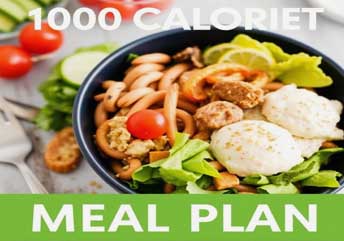
If you’re considering a 1000 calorie diet meal plan, you’re likely aiming for fast and noticeable weight loss. But is this approach right for you? Let’s break it down simply.
A 1000 calorie diet meal plan involves drastically reducing your daily calorie intake, but it’s essential to know that this type of diet should be short-term. Eating too few calories can affect your energy levels and overall health. So, it’s ideal for a kickstart—not a long-term solution.
Why Choose a 1000 Calorie Diet Meal Plan?
Many people are drawn to the idea of a 1000 calorie meal plan because it promises quick results. You’ll probably see changes on the scale within the first week. However, what really matters is how you structure those calories. The key is to focus on nutrient-dense foods that keep you feeling full and energized, even on fewer calories.
For instance, lean proteins like chicken or tofu, fibrous vegetables like spinach, and healthy fats like avocado are perfect. These foods give you essential vitamins and help avoid the energy crashes common with low-calorie diets.

What Can You Eat? Here’s an Example!
Let’s take a look at an example of what a day on a 1000 calorie diet meal plan could look like:
- Breakfast: Oatmeal with a handful of berries (150 calories)
- Lunch: Grilled chicken salad with a light dressing (300 calories)
- Dinner: Salmon with steamed broccoli and quinoa (400 calories)
- Snack: Apple slices (150 calories)
It’s obviously crucial to balance meals to avoid hunger pangs. You stay fuller for longer, which is a lifesaver when cutting calories by choosing foods rich in fiber and protein.

Will It Work for You? Let’s Talk Personalization.
One size doesn’t fit all, and that’s true with diets. The 1000 calorie diet meal plan works best when it’s personalized to your needs. Do you follow a vegan or high-protein diet? Or maybe you prefer intermittent fasting? Whatever your preference, it’s essential to adjust this meal plan accordingly.
For example, if you’re vegan, you can swap out the grilled chicken for tofu or tempeh, which will provide you with the same protein punch. Personalization makes the plan not only effective but also enjoyable and sustainable.
Common Questions Answered (People Also Ask)
A few common questions usually come up when people hear about a 1000 calorie diet:
- Can you survive on 1000 calories a day?
- Yes, but it’s not ideal for long periods. It’s meant for short-term use and should be followed by a transition to a higher-calorie diet.
- What can I eat on this diet?
- Focus on lean proteins, vegetables, fruits, and healthy fats to maximize your nutrient intake. Avoid empty calories like sugary snacks and processed foods.
Transitioning After the Plan
One thing often overlooked in other guides is the importance of transitioning from a 1000 calorie meal plan. Staying on such a low-calorie diet for too long can backfire, leading to muscle loss or even nutrient deficiencies.
The goal should be to use this plan as a starting point. After a week or two, gradually increase your calorie intake to a more sustainable level—typically 1500-2000 calories—depending on your lifestyle and weight loss goals.
This approach helps you maintain your progress without the common rebound weight gain that happens after people finish a crash diet.

What Is a 1000 Calorie Diet Meal Plan?
So, what exactly is a 1000 calorie meal plan? Well, it’s pretty simple: it’s a structured eating plan where you limit your daily calorie intake to 1000 calories. While it sounds straightforward, there’s more to it than just cutting down your calories.
The goal isn’t to starve yourself but to choose nutrient-packed, low-calorie foods that help you feel full and energized while still promoting weight loss.
Reducing calories significantly can help kickstart your weight loss journey, but it’s crucial to understand the benefits, risks, and how to approach it smartly. This kind of plan should only be used for short-term results, not a long-term solution.
How Does the 1000 Calorie Diet Meal Plan Work?
To put it simply, consuming fewer calories than your body burns leads to weight loss. With a 1000 calorie meal plan, you’re significantly reducing your calorie intake, which creates a caloric deficit.
However, because 1000 calories is quite low, your body needs those calories to come from nutrient-rich foods to ensure you’re still getting the vitamins, minerals, and energy you need to function.
Here’s a quick example of what a day might look like:
- Breakfast: A serving of Greek yogurt with mixed berries (200 calories)
- Lunch: Grilled chicken breast with a side salad (350 calories)
- Dinner: A small portion of baked fish with steamed vegetables (400 calories)
- Snack: Apple slices (50 calories)

This plan emphasizes whole foods like vegetables, lean proteins, and healthy fats to keep you full. The key here is balance, ensuring you get enough protein and fiber to keep hunger at bay throughout the day.
What Makes It Different from Other Diets?
The major difference between the 1000 calorie meal plan and other diets is the extreme calorie restriction. You’re not counting carbs or avoiding fats; instead, you’re focusing on reducing your overall intake.
Other diets may have a more lenient calorie limit or emphasize particular food groups (like the keto or paleo diet), but with this plan, the only rule is to stick to 1000 calories.
While this type of plan offers fast results, it’s crucial to remember that it’s a short-term strategy. Unlike diets that focus on lifestyle changes for the long run, the 1000 calorie plan should only be followed for 7-14 days before transitioning to a more sustainable eating plan.
Common Misconceptions About Low-Calorie Diets
You’ve probably heard some myths floating around about low-calorie diets, especially extreme ones like this. Let’s clear up a few:
- Myth 1: “If you eat less, you’ll always lose more weight.”
- Not quite! If you eat too little for too long, your body may go into starvation mode and hold onto fat rather than burn it. That’s why this plan is best used in the short term.
- Myth 2: “You’ll feel hungry all the time.”
- Not necessarily. If you’re eating foods rich in fiber and protein, you can still feel full even on fewer calories. Think vegetables, lean proteins, and healthy fats.
Scientific Evidence and International Guidance on 1000 Calorie Diet Meal Plans
The 1000 calorie diet meal plan—often referred to as a very low-calorie diet (VLCD)—has been the subject of scientific scrutiny and is closely regulated by international health authorities due to potential health risks. Here is an expert summary based on published guidelines and research from leading organizations, with direct references to their websites for further reading.
National Institutes of Health (NIH) and Healthy Eating Index
The NIH’s Healthy Eating Index (HEI) provides detailed standards for what constitutes a healthy eating pattern, but even its most stringent dietary scoring is not designed for diets as low as 1000 calories.
The HEI evaluates diets based on adequacy and moderation of food groups, but the minimum standards for many categories (such as fruits, vegetables, protein, and dairy) are set in relation to a standard 2000-calorie diet, and meeting these nutrient needs becomes exceptionally challenging at a 1000-calorie intake.
For example, even achieving just the minimum recommended intake of whole grains, protein, or vegetables would require a substantially higher proportion of the diet to be filled by these food groups, often at the expense of others, potentially leading to nutrient deficiencies.
“The Healthy Eating Index (HEI) is a measure of diet quality… but should not be interpreted as an endorsement of very low-calorie diets. Nutrient adequacy becomes increasingly difficult to achieve as calorie levels decrease.”
National Heart, Lung, and Blood Institute (NHLBI) – Calorie Needs and Caution
The NHLBI, part of the U.S. National Institutes of Health, provides guidelines on daily calorie needs by age and activity level. Their tables show that a 1000-calorie intake is within the recommended range only for preschool children (2–3 years old) and is far below the needs of older children, adolescents, and adults.
For most adults, particularly women, recommended daily calorie intakes start at 1600–2000 calories (or more, depending on activity level). Intakes as low as 1000 calories for adults are not supported by these guidelines and may lead to serious health consequences if sustained.
“The amount of calories needed differs by age and activity level. Very low-calorie diets (below 1200 calories for women and 1500 for men) are generally not recommended and should only be undertaken under medical supervision.”
U.S. Dietary Guidelines for Americans and International Consensus
The 2015–2020 Dietary Guidelines for Americans (now superseded by newer editions, but still influential) emphasize consuming a variety of nutrient-dense foods within appropriate calorie levels for age, sex, and activity level.
They explicitly advise against severe calorie restriction for most people, underscoring that such diets can make it nearly impossible to meet essential nutrient needs. The guidelines recommend focusing on whole foods, limiting added sugars, saturated fats, and sodium, and balancing calorie intake with physical activity[3].
“Consume a healthy eating pattern that accounts for all foods and beverages within an appropriate calorie level… Severe calorie restriction is not recommended as it may compromise nutrient intake and overall health.”
Summary Table: Calorie Recommendations vs. 1000 Calorie Diets
| Population Group | Recommended Daily Calories | 1000 Calorie Diet Supported? | Risk/Concern |
|---|---|---|---|
| Preschool children | 1000–1400 | Yes (for some) | Risk for some if too low |
| School-age children | 1400–2200 | No | Nutrient deficiency, growth issues |
| Adolescents | 1800–2400 | No | Growth, development, energy needs |
| Adults | 1600–3000+ | No (except under supervision) | Malnutrition, metabolic issues |
| Older adults | 1600–2200 | No | Frailty, muscle loss, deficiencies |
International Health Organization Stance
Internationally, the World Health Organization (WHO) and similar bodies align with the U.S. guidelines, recommending balanced, nutrient-dense diets tailored to individual energy needs. They do not endorse very low-calorie diets except in specific, supervised medical contexts. The consensus is that sustained calorie intakes as low as 1000 per day for most adults are unsafe and nutritionally inadequate.
Who Should Try a 1000 Calorie Meal Plan?
This plan isn’t for everyone. It’s a good option if you’re looking to drop weight quickly for a specific reason—like an event or the start of a longer weight loss journey.
However, it’s not suitable for people who need sustained energy for high levels of activity or anyone with underlying health conditions. If you’re diabetic, pregnant, or have a history of eating disorders, this diet could do more harm than good.
Always consult a healthcare professional before starting any diet, especially one as restrictive as this.
Personalization is Key
While the basics of a 1000 calorie meal plan are simple, everyone’s needs are different. Maybe you’re vegetarian, or perhaps you need more protein for muscle retention. In that case, you can tweak the plan.
For example, if you’re on a high-protein diet, swap out some of those carbohydrates for extra chicken, tofu, or lentils. Even though 1000 calories are your limit, personalizing the plan can make it more effective and enjoyable.
Quick Tips for Success on a 1000 Calorie Diet Meal Plan
- Eat whole, unprocessed foods. Focus on vegetables, lean proteins, and whole grains. Avoid foods that are high in sugar or refined carbs, which may leave you feeling hungry.
- Drink plenty of water. Hydration can help stave off hunger and keep you feeling full throughout the day.
- Don’t skip meals. Skipping meals will just leave you feeling overly hungry later, leading to overeating. Stick to regular meal times.

1. Why Focus on Sustainability?
When it comes to dieting, sustainability is key! A quick 1000 calorie meal plan might help you shed some pounds, but if it’s not sustainable, you’ll likely find yourself back where you started before you know it. The goal should always be to create healthy habits that stick.
Think about it: small, manageable changes often lead to better, longer-lasting results than those drastic diets that leave you feeling deprived. So, let’s explore how to make your 1000 calorie meal plan not just effective but also enjoyable and sustainable.
2. How to Create a Balanced 1000 Calorie Meal Plan
A balanced meal plan is essential for getting all the nutrients you need while staying within your calorie limit. It’s all about variety! You want to include protein, healthy fats, whole grains, and loads of fruits and veggies.
For example, imagine starting your day with a delicious veggie omelet made from two eggs, packed with spinach and tomatoes, topped with a sprinkle of cheese. That’s a nutritious breakfast that will keep you energized!
To help visualize, consider adding a colorful infographic that illustrates a balanced plate with different food groups. This can drive home the point of variety and balance.
3. Tips for Sticking to Your Meal Plan
Staying on track can be tricky, but I’ve got some practical tips for you! Meal prepping is a game-changer. Spend a few hours on the weekend planning and prepping meals for the week.
This way, you’ll have healthy options ready to go, and it’ll help you avoid those last-minute unhealthy choices.
Another tip is to keep healthy snacks handy. Think carrot sticks, apple slices, or a small handful of mixed nuts. When hunger strikes, you’ll have nutritious options at your fingertips!
4. The Importance of Hydration
Don’t overlook hydration! Drinking enough water is crucial for managing hunger and keeping your body functioning well. Sometimes, our bodies confuse thirst for hunger.
Consider infusing your water with fresh fruits or herbs for a tasty twist. Lemon, cucumber, or mint can make drinking water feel like a treat! Adding a visual of infused water recipes can make this section more engaging.
5. Knowing When to Adjust
Being in tune with your body is super important. It’s essential to recognize the difference between hunger and emotional eating. If you find yourself feeling overly tired or constantly hungry, it might be time to reassess your meal plan.
Listen to your body! It’s totally okay to adjust your calorie intake if you need to. Remember, the goal is to feel good while achieving your health goals.

6. Adapting the Meal Plan for Individual Needs
Your meal plan should fit your preferences! Whether you’re vegetarian, vegan, or gluten-free, you can still stick to a 1000 calorie meal plan. For instance, swap out rice for quinoa if you’re looking for a protein boost or chickpeas instead of meat for added fiber and nutrition.
To make this relatable, include a chart comparing different food swaps that keep meals interesting and nutritious.
7. Making It Work for You
At the end of the day, a successful 1000 calorie meal plan should work for you. Experiment with different foods, flavors, and meals while keeping the core principles in mind: balance, sustainability, and enjoyment.
Whether you’re trying out a 1000 calorie diet or have your own nutrition tips, I’d love to hear what’s working for you! Share your thoughts, ask questions, or even let me know about your favorite low-calorie meals in the comments below.
Ready to get started? Grab your free 1000 calorie diet meal plan for 14 days PDF download below and take the first step toward a healthier, lighter you.
1000 Calorie Diet Meal Plans: Visual Guides to Weight Loss
Curious about what a 1000-calorie diet really looks like? These five videos offer a visual guide to planning and preparing meals that are both delicious and effective for weight loss.
First Video : 1000 Calorie a Day Fat Loss Transformation
Second Video: I Tried a 1000 calorie Per Day Diet
Third Video: HighProtein & Filling 1000 Calories
Fourth Video: A FULL day of eating 1000 calories!
Disclaimer: The content on this website is intended for informational purposes only and should not be taken as medical advice. Always consult with a qualified healthcare professional for personalized guidance regarding your health needs.