

Table of Contents
The ketovore diet combines a keto diet and a carnivore diet. Most calories come from animal-based foods, while a small amount of low-carb vegetables and berries can be included.
Quick answer: Eat meat, seafood, eggs, full-fat dairy, healthy fats, low-carb vegetables, and limited berries. Avoid grains, sugar, seed oils, beans, and starchy vegetables. Most people stay under 20–25g net carbs per day.
How Ketovore Differs from Standard Keto
Important
| Feature | Standard Keto | Ketovore |
| Protein | Moderate | Higher |
| Fat source | Mixed plant & animal | Mainly animal fats |
| Vegetables | Commonly used | Limited |
| Goal | Ketosis | Ketosis + elimination benefits |
| Carbs | 20–50g/day | Usually <25g/day |
The Complete Ketovore Food List
✅ Eat Freely: Animal-Based Foods
These should make up the bulk (–%) of your daily calories.
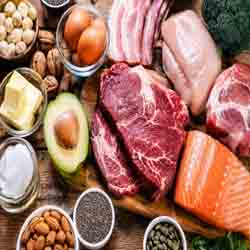
- Red meat: Beef, lamb, bison, venison, elk. Opt for fattier cuts (ribeye, 80/20 ground beef, lamb chops). Grass-fed is ideal but not mandatory.
- Poultry: Chicken thighs and legs (with skin), duck, turkey thighs. Avoid lean chicken breast unless you add plenty of fat.
- Pork: Pork belly, shoulder, chops, bacon (no added sugar), ham (check for nitrates), sausage (no fillers).
- Organ meats: Liver (beef, chicken, lamb), heart, kidney, tongue. Organs are superfoods — aim for once or twice a week.
- Fish and seafood: Salmon, sardines, mackerel, herring, trout, shrimp, scallops, oysters, mussels. Oily fish are especially rich in omega-3s.
- Eggs: Whole eggs — eat the yolks! Eggs are an ideal ketovore food.
- Animal fats: Butter, ghee, tallow, lard, schmaltz. Use these for cooking and adding flavor.
✅ Include in Small Amounts: Low-Carb Plant Foods
Keep total carbs from these sources under – grams per day.
- Non-starchy vegetables: Leafy greens (spinach, kale, arugula), zucchini, cucumber, bell peppers, asparagus, broccoli, cauliflower, cabbage, bok choy.
- Cruciferous veggies: These are low in net carbs and support detoxification.
- Avocado: Rich in healthy monounsaturated fats and fiber.
- Berries: Blackberries, raspberries, strawberries (limited to – cup per day).
- Coconut: Unsweetened coconut flakes, coconut oil, coconut cream.
- Olives: Green or black olives are low-carb and full of healthy fats.
- Nuts and seeds (sparingly): Macadamia nuts, pecans, walnuts, pumpkin seeds. Avoid almonds and cashews if you’re carb-sensitive. Limit to a small handful.
⚠️ Eat Occasionally: Condiments and Flavor Enhancers
- Herbs and spices: All dried or fresh herbs (oregano, rosemary, thyme, basil), black pepper, garlic powder, onion powder (small amounts), turmeric, cumin, paprika, chili flakes.
- Vinegars: Apple cider vinegar, red wine vinegar, white vinegar.
- Mustard: Yellow, Dijon, whole grain — no added sugar.
- Hot sauce: Tabasco, Frank’s RedHot (check for sugar).
- Salt: Sea salt, pink Himalayan salt, electrolyte blends.
- Extracts: Vanilla extract (no sugar), stevia or monk fruit (erythritol is optional, but some ketovore advocates avoid all sweeteners).
❌ Avoid Completely: Foods That Disrupt Ketovore
- Grains: Wheat, rice, oats, quinoa, corn, bread, pasta, cereal.
- Legumes: Beans, lentils, chickpeas, soy, peanuts.
- High-carb vegetables: Potatoes, sweet potatoes, peas, parsnips, carrots.
- Fruits (except small berries): Bananas, apples, oranges, grapes, mango, pineapple.
- Sugar and sweeteners: White sugar, honey, maple syrup, agave, high-fructose corn syrup, artificial sweeteners like aspartame (most prefer to avoid all non-nutritive sweeteners except stevia/monk fruit).
- Seed oils: Canola, soybean, sunflower, safflower, corn, grape seed, cottonseed. These are inflammatory and highly processed.
- Processed foods: Chips, crackers, keto bars (most contain fillers), protein powders with additives, “keto-friendly” desserts sweetened with malitol or sucralose.
- Dairy (for sensitive individuals): Some ketovore followers limit milk (lactose) and soft cheeses. Butter and hard cheeses are generally fine in moderation.
-
Essential Animal Proteins
| Food | Net Carbs | Why Eat It? |
| Beef | 0g | Complete protein |
| Lamb | 0g | Rich in healthy fats |
| Pork | 0g | Budget-friendly |
| Chicken thighs | 0g | Higher fat than breast |
| Turkey | 0g | Lean protein option |
| Veal | 0g | Tender protein source |
| Venison | 0g | Nutrient-dense game meat |
| Goat | 0g | Lean and mineral-rich |
| Organ meats | 0–1g | Vitamin A, iron, B vitamins |
Best choice: Grass-fed meats and pasture-raised meats when available.
-
Seafood (Omega-3 Power Foods)
| Food | Net Carbs | Key Benefit |
| Salmon | 0g | Omega-3 fats |
| Sardines | 0g | Calcium + omega-3 |
| Mackerel | 0g | High healthy fats |
| Shrimp | 0–1g | Lean protein |
| Oysters | 4–7g | Excellent zinc source |
| Mussels | 4–7g | Mineral-rich |
| Tuna | 0g | High protein |
| Anchovies | 0g | Omega-3 + calcium |
| Dungeness crab | 0g | Protein-rich |
| Squid | 2–3g | Low-carb seafood |
Choose
Wild-caught seafood
Limit
Large tuna due to mercury
-
Eggs & Dairy
| Food | Net Carbs |
| Whole eggs | 0.4g each |
| Duck eggs | 0–1g |
| Quail eggs | 0g |
| Cheddar cheese | 1g |
| Mozzarella cheese | 1–2g |
| Cream cheese | 1g |
| Full-fat cottage cheese | 3–4g |
| Unsweetened Greek yogurt | 5g |
| Heavy cream | 3g |
| Sour cream | 3g |
| Butter | 0g |
| Ghee | 0g |
Best choice: Full-fat dairy
Avoid: Low-fat dairy and sweetened creamers
-
Low-Carb Vegetables
| Vegetable | Net Carbs (100g) | FODMAP |
| Spinach | 1–2g | Low |
| Broccoli | 4g | Moderate |
| Cauliflower | 3g | Moderate |
| Zucchini | 2g | Low |
| Cucumber | 3g | Low |
| Bell peppers | 5–6g | Low |
| Asparagus | 2g | Low |
| Brussels sprouts | 5g | Moderate |
| Cabbage | 3g | Low |
| Swiss chard | 2g | Low |
| Green beans | 7g | Moderate |
| Eggplant | 3g | Low |
| Tomatoes | 3g | Low |
-
Anti-Nutrient Guide (Unique Information)
| Food | Main Anti-Nutrient |
| Spinach | Oxalates |
| Swiss chard | Oxalates |
| Broccoli | Glucosinolates |
| Brussels sprouts | Glucosinolates |
| Almonds | Phytates |
| Pumpkin seeds | Phytates |
Tip: Cooking vegetables reduces some anti-nutrients and may improve digestion.
-
Fruits Allowed in Moderation
| Fruit | Net Carbs (½ cup) |
| Blackberries | 3g |
| Raspberries | 3–6g |
| Strawberries | 3–6g |
| Blueberries | 9g |
| Avocado | 2g per 100g |
Best choice: Blackberries and raspberries
-
Nuts & Seeds
| Food | Net Carbs (¼ cup) |
| Macadamia nuts | 2g |
| Pecans | 1g |
| Walnuts | 1–2g |
| Almonds | 3g |
| Brazil nuts | 1g |
| Chia seeds | 2–3g |
| Flaxseeds | 0–1g |
| Pumpkin seeds | 1g |
| Sesame seeds | 3g |
Storage: Refrigerate flaxseeds and chia seeds after opening.
-
Best Fats & Oils
| Fat | Best Use |
| Beef tallow | High-heat cooking |
| Ghee | Frying |
| Butter | Finishing dishes |
| Lard | Roasting |
| Avocado oil | High heat |
| Extra virgin olive oil | Dressings |
| Coconut oil | Baking |
| MCT oil | Coffee or smoothies |
Avoid: Seed oils such as soybean, canola, and sunflower oil.
-
Budget-Friendly Ketovore Swaps
| Premium Food | Budget Alternative |
| Salmon | Sardines |
| Ribeye steak | Ground beef |
| Macadamia nuts | Walnuts |
| Avocado oil | Olive oil |
| Fresh seafood | Canned fish |
-
Foods to Avoid
- Sugar, honey, maple syrup
- Bread, pasta, rice
- Potatoes, sweet potatoes, corn
- Beans, lentils, soy
- Vegetable oils and margarine
- Cookies, cakes, ice cream
- Fruit juice and sugary drinks
-
Printable Ketovore Shopping Checklist
Use this before grocery shopping
Printable
Beef
Chicken thighs
Salmon or sardines
Whole eggs
Cheddar cheese
Butter or ghee
Spinach
Broccoli
Cauliflower
Olive oil
Macadamia nuts or walnuts
Blackberries Sample One-Day Ketovore Menu
| Meal | Foods |
| Breakfast | 3 eggs fried in butter, 2 slices of bacon, a handful of spinach wilted in the pan |
| Lunch | 8 oz beef patty topped with cheddar cheese, a small side of avocado slices and salt |
| Dinner | 10 oz salmon cooked in tallow, steamed broccoli with butter, half a cup of raspberries for dessert |
| Snack (optional) | Beef jerky (no sugar added) or a handful of macadamia nuts |
Common Questions
- Can I eat potatoes on a ketovore diet?
No. Potatoes are high in net carbs and can make it harder to maintain ketosis.
- Is dairy allowed?
Yes. Full-fat dairy such as cheddar cheese, Greek yogurt, heavy cream, butter, and ghee is generally compatible with a ketovore diet.
- What about organ meats?
Organ meats, especially beef liver, are among the most nutrient-dense foods you can eat.
- How many carbs should I eat?
Many people stay under 20 grams net carbs per day, while others do well between 20–40g depending on activity level.
- Do I need electrolytes?
During the first Days 1–10, increasing salt, magnesium, bone broth, and daily electrolyte drinks can help reduce keto flu symptoms.
The Bottom Line
The best ketovore diet food list includes meat, seafood, eggs, full-fat dairy, healthy fats, low-carb vegetables, and small portions of berries. Focus on whole foods, keep net carbs low, choose grass-fed meats and wild-caught seafood when possible, and avoid grains, sugar, seed oils, and starchy vegetables.
Disclaimer:
This ketovore diet food list is for educational purposes only and is not intended as medical advice. Individual needs can vary based on age, activity level, health conditions, medications, and personal tolerance to certain foods. If you have diabetes, kidney disease, thyroid issues, digestive disorders, are pregnant or breastfeeding, or take prescription medications, consult a qualified healthcare provider before making significant dietary changes. Always choose high-quality foods and adjust the plan according to your body’s response and nutritional needs.
