

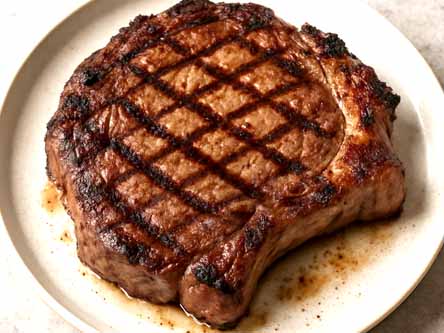
When it comes to enjoying a delicious steak, many people wonder, “How many calories are in one steak?” Whether you’re counting calories for weight management or simply curious, understanding the nutritional content of your favorite cut can be quite enlightening.
In this article, we’ll explore the caloric and nutritional content of steak, including its carbohydrate profile, to help you make informed choices. With the knowledge of steak’s nutritional dynamics, you can enjoy your meal with confidence and satisfaction.
 What Affects the Caloric Content of Steak?
What Affects the Caloric Content of Steak?
The caloric content of a steak can vary significantly based on several factors. Here are some of the main considerations:
Cut of the Steak
Different cuts of steak contain varying amounts of fat, which directly impacts the calorie count. For instance, a ribeye steak, known for its rich marbling, will generally have more calories than a leaner cut like a tenderloin or sirloin. Marbling refers to the streaks of fat interspersed within the muscle, contributing to the flavor and juiciness of the steak. While marbled steaks are often prized for their taste, those conscious of their calorie intake may opt for leaner cuts. Leaner cuts such as flank or skirt steak offer a robust flavor with fewer calories, making them a suitable choice for those watching their diet.
Cooking Method
How you prepare your steak also influences its caloric content. Grilling or broiling your steak without additional oils or butter will result in fewer calories compared to frying it in oil or adding rich sauces. Grilling allows excess fat to drain away, resulting in a lower calorie count and a healthier dish. On the other hand, pan-frying in oil can introduce additional calories, especially if the steak absorbs the cooking fat. To maintain the natural flavors while minimizing calorie intake, consider using dry rubs or herbs during cooking.
Portion Size
Naturally, the size of the steak you consume will affect the number of calories you ingest. A larger steak will have more calories than a smaller portion. It’s crucial to be mindful of portion sizes, especially when dining out, where servings can be larger than expected. By enjoying a moderate portion, you can savor the flavors of the steak without exceeding your caloric needs. Sharing a larger steak or saving leftovers for another meal can also help manage portion sizes effectively.
How Many Calories Are in One Steak?
To give you a clearer picture, let’s break down the caloric content of some popular steak cuts per typical serving size (approximately 3.5 ounces or 100 grams):
Ribeye Steak
- Calories: Approximately 291
- Protein: 23 grams
- Fat: 22 grams
- Carbohydrates: 0 grams
Ribeye is prized for its flavor and tenderness, thanks to the marbling. However, this marbling also means higher calorie content due to the increased fat. The rich taste of ribeye makes it a favorite for many steak enthusiasts, but those counting calories should be aware of its higher fat content. The combination of protein and fat in ribeye can make it a satisfying and indulgent choice, making it perfect for special occasions. Consider balancing a ribeye meal with lighter sides, such as steamed vegetables, to maintain a balanced diet.
Sirloin Steak
- Calories: Approximately 206
- Protein: 27 grams
- Fat: 11 grams
- Carbohydrates: 0 grams
Sirloin is a leaner option, offering a good balance of flavor and lower calorie content compared to ribeye. Known for its versatility, sirloin can be cooked in various ways, from grilling to roasting. Its lower fat content makes it a practical choice for those aiming to reduce their calorie intake while enjoying a satisfying meal. Pairing sirloin with a fresh salad or grilled vegetables can enhance its nutritional profile, providing a well-rounded dining experience.
Tenderloin (Filet Mignon)
- Calories: Approximately 179
- Protein: 26 grams
- Fat: 7 grams
- Carbohydrates: 0 grams
Tenderloin is one of the leanest and most tender cuts, making it a popular choice for those counting calories. Its delicate texture and mild flavor are often complemented by light seasoning or a hint of garlic. As a premium cut, tenderloin is ideal for those who prioritize tenderness and flavor without the extra calories. For an elegant yet healthy meal, serve tenderloin with a side of roasted asparagus or a mixed greens salad.
How Many Calories in a Slice of Steak?
If you’re having steak sliced, such as in a salad or sandwich, it’s useful to know the caloric content per slice. Assuming a slice of steak is about 1 ounce (28 grams), the calorie count is roughly:
- Ribeye: 83 calories per slice
- Sirloin: 59 calories per slice
- Tenderloin: 50 calories per slice
Impact of Toppings and Sides
Remember, the caloric content will increase if you add toppings like butter or sauces. Similarly, sides like mashed potatoes or creamy spinach can add significant calories to your meal. It’s essential to consider these additions when planning your meal, as they can quickly turn a healthy dish into a calorie-laden indulgence. Opt for lighter toppings, such as a squeeze of lemon or a sprinkle of fresh herbs, to enhance the steak’s flavor without adding extra calories. Choosing sides like steamed broccoli or a fresh garden salad can complement the steak while keeping the meal balanced.
 by Chad Montano (https://unsplash.com/@briewilly)
How Many Carbs in Steak?
Steak, being a meat product, is naturally low in carbohydrates. In fact, most cuts of steak contain 0 grams of carbohydrates. This makes steak a popular choice for low-carb diets like keto.
Carbs from Preparation and Accompaniments
However, the preparation and accompaniments can introduce carbs. For example, if the steak is marinated in a sugar-based sauce, or served with carb-heavy sides, the overall meal’s carb content will increase. It’s important to be mindful of marinades and sauces that may contain hidden sugars or starches. When possible, opt for homemade marinades using olive oil, vinegar, and herbs to control the carb content. Pairing steak with low-carb sides such as sautéed mushrooms or a crisp Caesar salad can maintain the meal’s low-carb profile.
Smart Pairings for Low-Carb Diets
For those following a low-carb lifestyle, steak can be a versatile and satisfying option. To keep your meal within carb limits, choose side dishes that are rich in fiber and low in carbohydrates. Grilled zucchini, roasted Brussels sprouts, or a side of avocado can complement the steak beautifully. By focusing on whole, unprocessed foods, you can create a meal that is both delicious and aligned with your dietary goals.
Understanding Hidden Carbs
While steak itself is carb-free, it’s crucial to be aware of hidden carbs in sauces, dressings, and condiments. Many store-bought products contain added sugars or thickeners that can increase carb content. Reading labels and choosing products with minimal ingredients can help maintain a low-carb meal. For a flavor boost, consider making your own condiments using fresh ingredients, ensuring you know exactly what’s in your food.
Tips for Enjoying Steak with Fewer Calories
If you’re watching your calorie intake but still want to enjoy steak, consider these tips:
Choose Leaner Cuts
Opt for cuts like tenderloin or sirloin that offer lower calorie content without sacrificing flavor. Leaner cuts allow you to enjoy the rich taste of steak while keeping your meal light and nutritious. By selecting these cuts, you can indulge in your favorite dish more frequently without compromising your dietary goals. Experiment with different seasonings and cooking methods to enhance the natural flavors of leaner steaks.
Mind the Cooking Method
Grill, broil, or roast your steak without added fats to keep the calorie count down. Avoid frying or using heavy sauces. These methods not only preserve the steak’s natural flavors but also reduce the risk of adding unnecessary calories. Using a grill or oven allows the fat to render out, leaving you with a healthier and tastier steak. Consider using a meat thermometer to achieve the perfect level of doneness without overcooking.
Watch Your Portions
A smaller portion can satisfy your craving while keeping your calorie consumption in check. Pair your steak with a generous serving of vegetables for a balanced meal. By focusing on portion control, you can enjoy the rich flavors of steak without overindulging. Eating mindfully and savoring each bite can enhance your dining experience, making a smaller portion feel more satisfying.
Skip High-Calorie Additions
Forgo butter or creamy sauces and instead season your steak with herbs and spices. This adds flavor without extra calories. Using spices like rosemary, thyme, or garlic powder can elevate the taste of your steak while keeping it healthy. By avoiding high-calorie toppings, you can enjoy the pure, rich taste of the steak itself. Simple adjustments, such as using lemon juice or balsamic vinegar, can add a refreshing twist to your meal without extra calories.
Conclusion
Understanding the caloric content of steak is essential for making informed dietary choices. By selecting leaner cuts and paying attention to preparation methods, you can enjoy steak as part of a balanced diet. Keep in mind that while steak is low in carbohydrates, accompaniments and cooking methods can add hidden calories and carbs.
Whether you’re a steak aficionado or just someone trying to manage their diet, knowing the calorie and carb content of your meals can help you make healthier choices. So, the next time you savor a steak, you’ll know exactly what you’re enjoying and how it fits into your nutritional goals. Remember, it’s not just about the steak itself, but how you prepare and pair it that makes all the difference. Enjoy your meal with knowledge and confidence, making every bite a delicious and mindful experience.
 by Mantra Media (https://unsplash.com/@mantra_media_ltd)

