


This program is designed specifically for school and college students who want to understand healthcare environments, develop empathy, and fulfill community service requirements for university applications.

What is the SIUT Volunteer Program?
Core Components of the Training
- Clinical Department Tours: Volunteers visit critical areas such as the Outpatient Department (OPD), Dialysis Unit, Radiology (X-rays, CT scans, MRIs), Oncology, and Paediatric Wards to observe patient care workflows.
- Interactive Learning and HealthAwareness:
Alongside hospital visits and educational sessions, students may participate in discussions about health-related topics and learn about organ donation and medical ethics through educational activities. These sessions can help students understand the importance of ethical decision-making, public health awareness, and compassionate patient care. Activities may vary between program sessions.
- Hands-On Patient Support: Under strict supervision, volunteers assist with basic comfort measures, guide patients, and observe record-keeping. They do not perform clinical tasks.
- Specialized Certifications:
- First-Aid & CPR: Conducted in collaboration with the Pakistan Red Crescent Society, providing essential emergency response skills, including basic life support and resuscitation techniques.
- Bioethics Sessions: Educational modules covering patient privacy, ethical frameworks, and moral responsibilities in healthcare.
- Operational Insight: Participants observe the administrative and logistical backend of hospital management to understand the broader healthcare ecosystem.
Note on Clinical Exposure: While volunteers primarily observe, some batches may include opportunities to view specialized procedures, such as robotic surgery demonstrations, depending on hospital availability and safety protocols. However, direct participation in medical treatments is strictly prohibited.
Who is Eligible to Join?
Basic Requirements
- Grade Level: Students in Class 9, 10, 11, or 12 (Matric/Intermediate or O-Level/A-Level equivalent).
- Age Range: Typically 14–18 years old.
- School Type: Both government and private school students are eligible.
- Nationality: Open to Pakistani students residing in or around Karachi, as well as students currently studying abroad who wish to join during their breaks.
- Availability: You must be able to attend the full one-week schedule during summer (June–July) or winter (December–January) vacations.
Important Restrictions
- School Quota: Typically, only two students per school are accepted per batch. Early coordination with your school counselor is essential.
- Private/Home-Schooled Students: Since you do not have a school administration to coordinate registration, you must contact SIUT directly to inquire about alternative attestation or interview requirements.
- Mandatory Attendance: Missing sessions can result in disqualification and no certificate.

How to Apply: Step-by-Step Guide
Step 1: Confirm Your School’s Participation
- Distribute the SIUT volunteer registration form.
- Collect attested copies.
- Submit a consolidated list to SIUT’s coordinator.
Step 2: Obtain and Complete the Registration Form
- Personal details (name, father’s name, CNIC or B-form number, date of birth).
- Contact information (address, phone, email, emergency contact).
- School details (grade, section, counselor name).
- Parent/guardian consent and signature.
- Medical history (allergies, medications, vaccination status) if requested.
Step 3: Get School Attestation
Step 4: Submit the Form Before the Deadline
- Email: siut.volunteers@hotmail.com (scanned, signed copy).
- In-person: Through your school’s designated coordinator.
- Phone Coordination: For guidance, you can call SIUT’s Universal Access Number (UAN) at 021-111-000-313.
Summer registrations typically open in May–June, and winter registrations in November–December. Selection is often on a first-come, first-served basis, with priority given to school-registered students. Each session typically accommodates 100–150 volunteers.
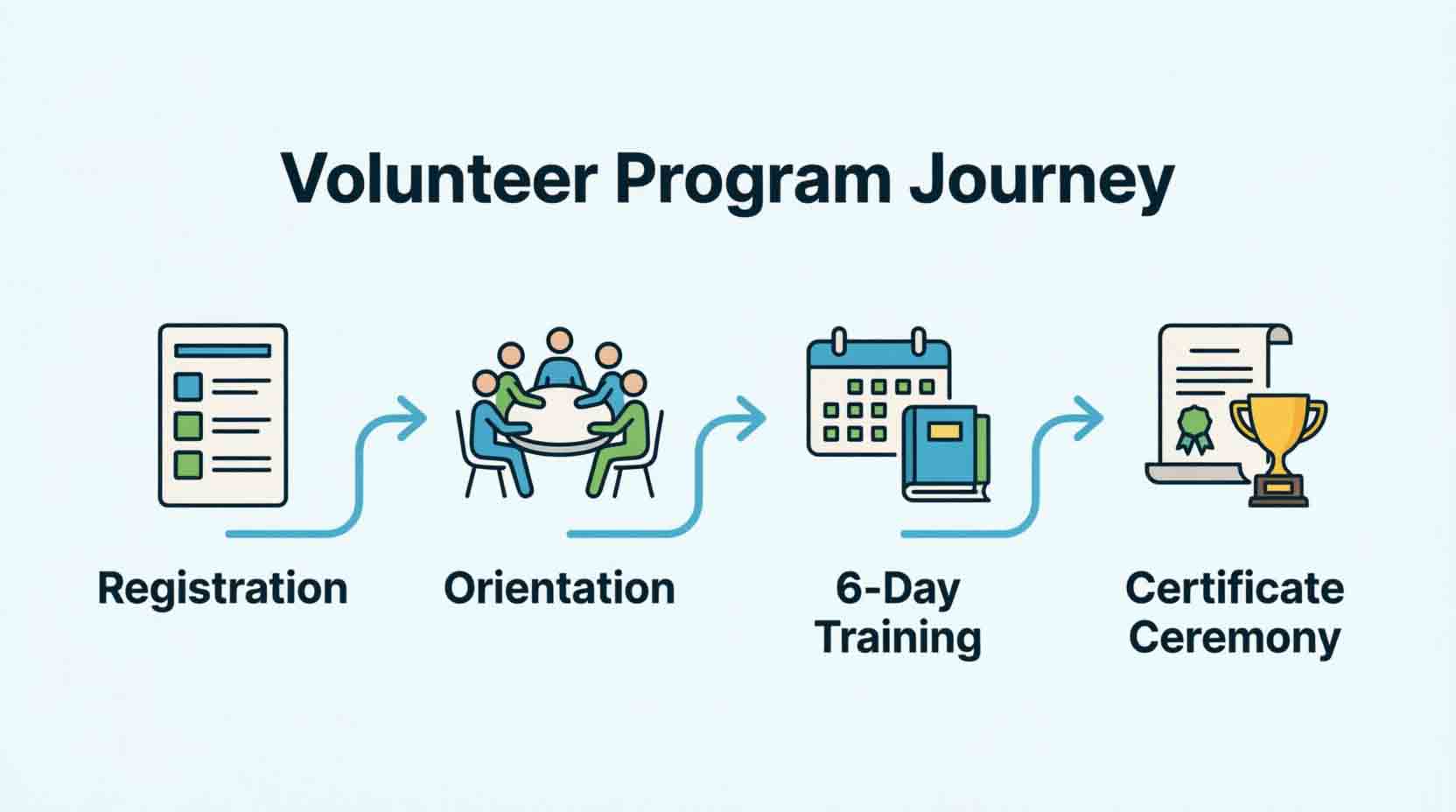
Step 5: Attend Orientation and Begin Training
What Do SIUT Volunteers Actually Do?
Typical Daily Schedule
- Timing: Sessions typically run from 8:00 AM to 12:00 PM or 2:00 PM, with breaks included.
- Duration: 6 consecutive days, totaling 30 hours.
Specific Activities
- Department Rotations: Visiting OPD, dialysis, radiology, oncology, and wards to observe operations.
- Patient Interaction:
- Assisting with basic comfort measures.
- Guiding patients and families.
- Where included in the program, students may engage with pediatric patients through age-appropriate activities, such as games and friendly interaction. These experiences can help students develop empathy, communication skills, and a better understanding of the emotional needs of children receiving hospital care. All interactions should take place under appropriate hospital supervision.
- Skill Building: Learning vital sign measurement basics (under supervision), first-aid, CPR, and bioethics.
- Community Service: Participating in awareness campaigns or support activities as assigned.
Dress Code and Essentials
- Uniform: Volunteers are typically provided with an official SIUT volunteer coat on the first day.
- Clothing: Wear comfortable, modest clothing underneath the coat.
- Footwear: Closed-toe shoes are mandatory for safety and hygiene reasons.
Benefits and Certification
- A 30-Hour Community Service Certificate, verified by SIUT.
- A First-Aid Box.
- Practical experience in empathy, communication, and teamwork.
Common Misconceptions
|
Misconception
|
Reality
|
|---|---|
|
“Volunteers can perform medical tasks.”
|
Volunteers are strictly non-clinical. They observe and assist with comfort measures but do not administer treatments.
|
|
“Any student can apply directly without school involvement.”
|
Most students must apply through their school. Private students are an exception but must contact SIUT directly.
|
|
“The program is open year-round.”
|
It is biannual, tied to school vacations (Summer and Winter).
|
|
“Attendance is flexible.”
|
Attendance is mandatory. Missing sessions leads to disqualification.
|
|
“It’s just watching doctors work.”
|
It includes active training in first-aid, CPR, bioethics, and structured patient interaction.
|
Frequently Asked Questions (FAQs)
How long is the SIUT volunteer program?
Is there a fee to volunteer?
Do private students need a school letter?
Who is the main contact for the volunteer program?
Can this count toward university community service requirements?
What is the philosophy behind SIUT’s free care model?
Key Takeaways
- The SIUT volunteer program is a free, 30-hour, one-week community service course for students in grades 9–12.
- Eligibility requires school attestation, with only two spots per school per batch.
- Applications are school-mediated; private students must contact SIUT directly.
- Volunteers gain non-clinical exposure, First-Aid/CPR training, and a certificate useful for CVs and university applications.
-
Depending on the activities offered during a particular session, students may also receive introductory demonstrations or supervised instruction in basic health-assessment skills, such as measuring vital signs. These activities are educational and do not authorize volunteers to perform clinical duties.
-
Attendance is mandatory, and the program runs twice a year (summer and winter).
-
Prepare for early morning starts (8 AM) and wear closed-toe shoes.
