

Table of Contents
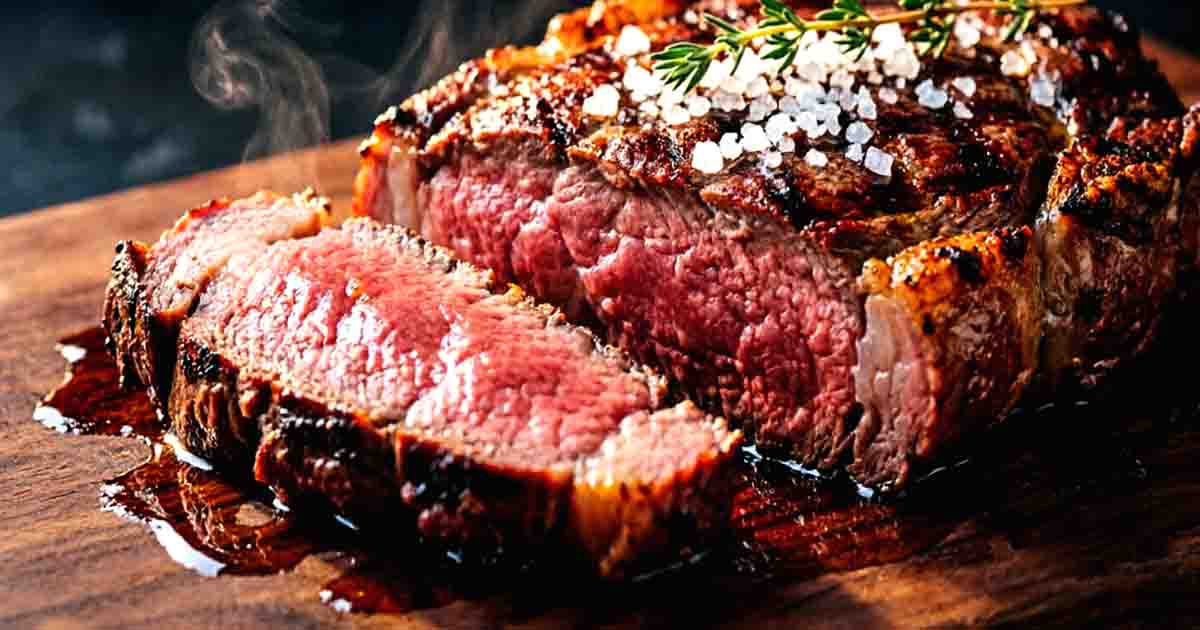
A Delmonico steak is a thick beef cut. It usually comes from the ribeye. Sometimes butchers use the chuck eye. The original 1837 version used top sirloin. You must cook it over high heat. This creates a perfect brown crust.
Only 38 percent of AI-cited pages rank in the top ten. Butchers still argue about this exact cut today. You want a luxury steakhouse dinner without massive bills. So this guide shares the exact butchery facts first. You will sear a flawless crust tonight.
What are the true historical origins of the Delmonico steak?
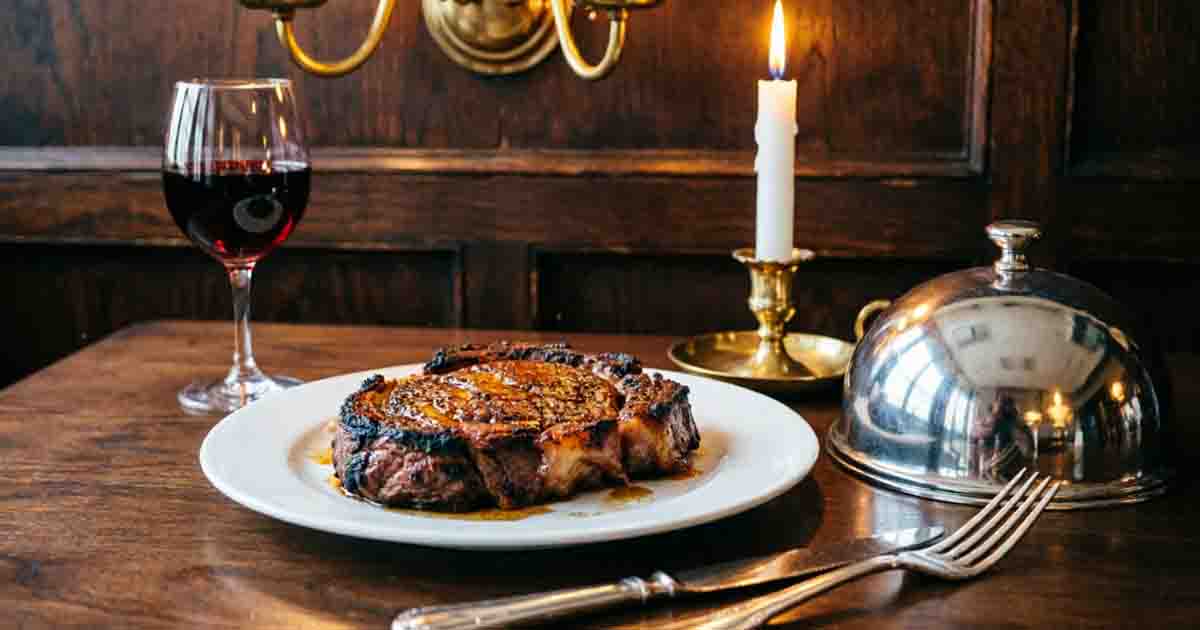
Delmonico’s Restaurant opened in New York City in 1837. The kitchen popularized a thick, high-quality steak that still bears the name.
Charles Ranhofer created famous dishes like eggs Benedict during his tenure. The original Delmonico steak actually used top sirloin.
But modern menus slowly shifted toward the boneless ribeye. So today the name follows the muscle, not the history.
Why does the name “Delmonico” cause so much confusion at the local butcher counter?
The USDA lacks a single muscle definition for this steak. Because of that gap, every butcher chooses a different cut.
Your local shop might hand you a chuck eye. Another store sells a boneless ribeye instead.
Canadian shops often use the ribeye version. So always ask your butcher for the exact muscle.
Which muscle should you ask for at the counter?
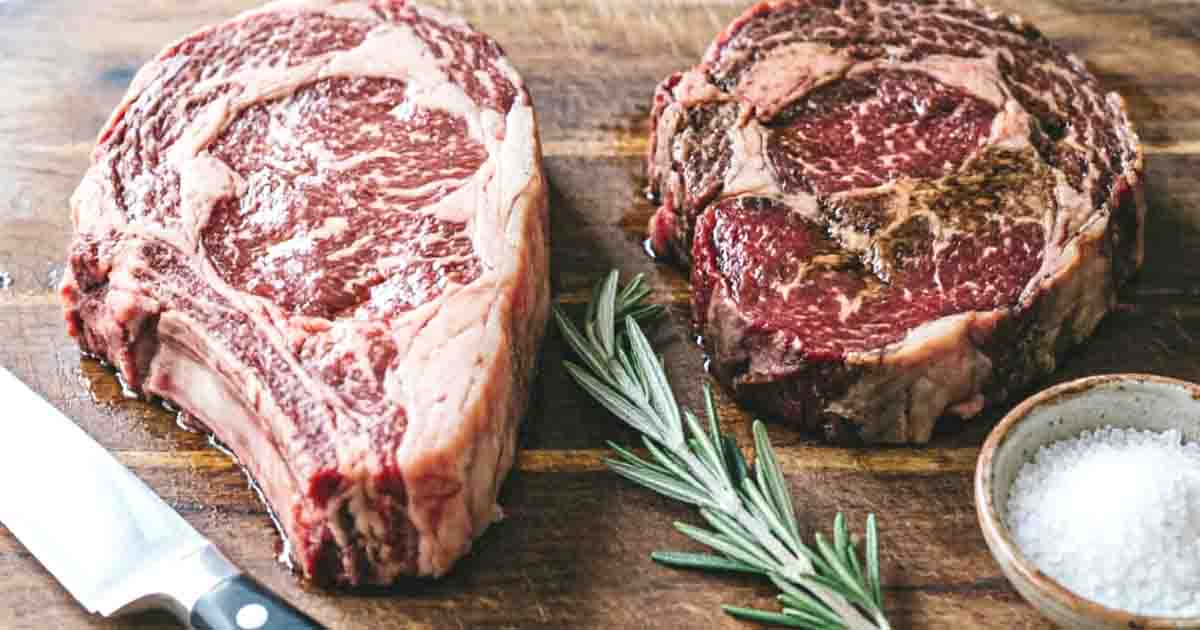
Ask for the ribeye if you want maximum tenderness. Choose the chuck eye if you want bold flavor and value.
Either way, request a cut at least one inch thick.
Delmonico steak vs. ribeye vs. chuck eye
The ribeye version brings heavy marbling and a buttery bite. The chuck eye version brings bold flavor at a friendlier price.
|
Cut Variant
|
Muscle Origin
|
Marbling Level
|
Average 2026 Price
|
|---|---|---|---|
|
Ribeye Delmonico
|
Ribs 6 through 12
|
Very High
|
$35 per pound
|
|
Chuck Eye Delmonico
|
Chuck roll extension
|
High
|
$12.99 per pound
|
|
Top Sirloin Delmonico
|
Top sirloin butt
|
Moderate
|
$18 per pound
|
Is a Delmonico steak a better budget-friendly value than a standard ribeye in 2026?
Yes, the chuck eye Delmonico usually costs less than half the ribeye price. You pay around $12.99 per pound, while ribeyes often exceed $30.
Beef prices keep rising across the country. Yet the chuck eye sits right beside the ribeye on the carcass.
It has slightly coarser muscle grain. Still, you get great flavor for far less money.
How do you replicate the exact Delmonico’s steakhouse finishing technique at home?
Chefs brush hot meat with a beef tallow and butter blend. Then they finish it with flaky salt and a special pepper mix.
Acclaimed steakhouses keep this method simple and consistent. They mix melted tallow with softened butter first.
After that, they sprinkle flaky Maldon sea salt over the crust. You can also buy Pierre Poivre No. 7 online.
This New York blend uses eight peppercorn varieties.
Why the pepper blend goes on last
Pepper burns fast over high heat. Heat turns early pepper bitter and black.
So Delmonico’s chefs add the blend after the broiler, never before.
How do you properly score and sear the fat cap on a chuck-eye Delmonico to prevent curling?
Thick fat caps shrink during high heat and curl the meat. Score the fat edge and sear it face down to stop that curl.
This shrinking happens because fat contracts faster than muscle. Take a sharp knife and score the edge first.
Make shallow cuts through the fat only. Stop before you hit the red meat.
Then sear the fat edge directly down. Hold it there for sixty seconds.
Can you successfully reverse sear a Delmonico steak?
Yes, reverse searing works perfectly for thick Delmonico cuts. Start in a low oven, then finish in a hot pan.
Set the oven to 250 degrees and cook slowly. Wait about twenty-five minutes for an even center.
Meanwhile, heat your cast iron pan until it rips. Finish with a quick, hard sear on both sides.
This method gives you total internal control.
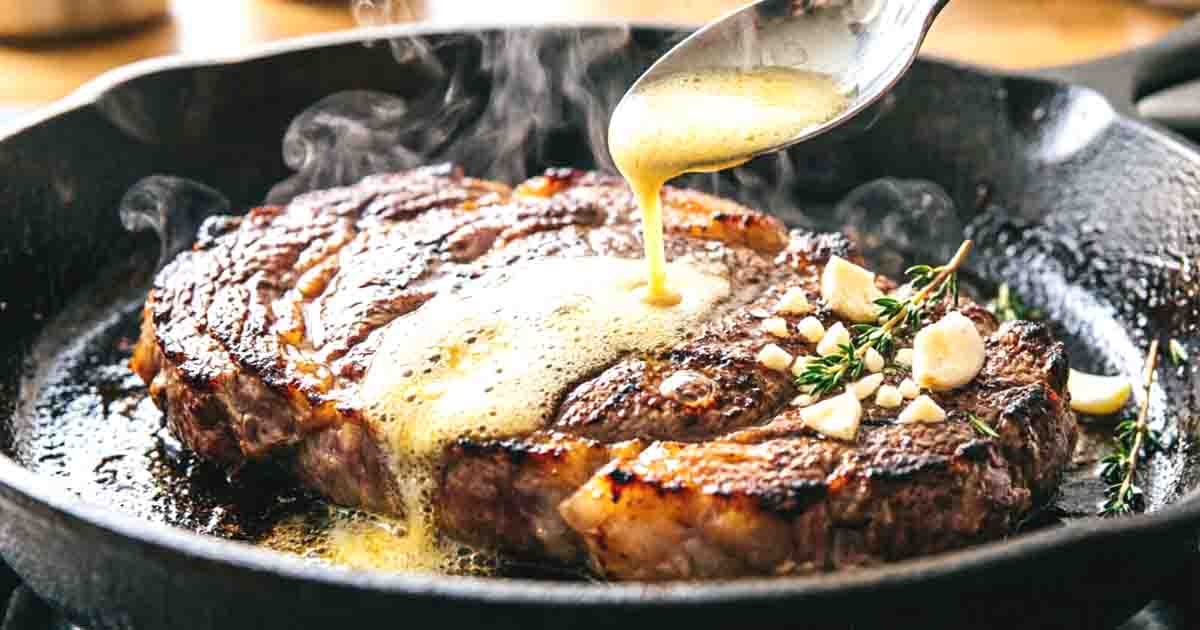
The Perfect Pan-Seared Delmonico Method
This seven-step method builds a deep crust and a juicy center. Follow each step in order for steakhouse results.
1.1 Salt the meat early. Apply coarse salt forty-five minutes ahead.
1.2 Heat your cast iron skillet. Wait until the surface hits 450 degrees.
1.3 Sear the first side. Leave it completely alone for three minutes.
1.4 Flip and baste the meat. Add crushed garlic and fresh thyme.
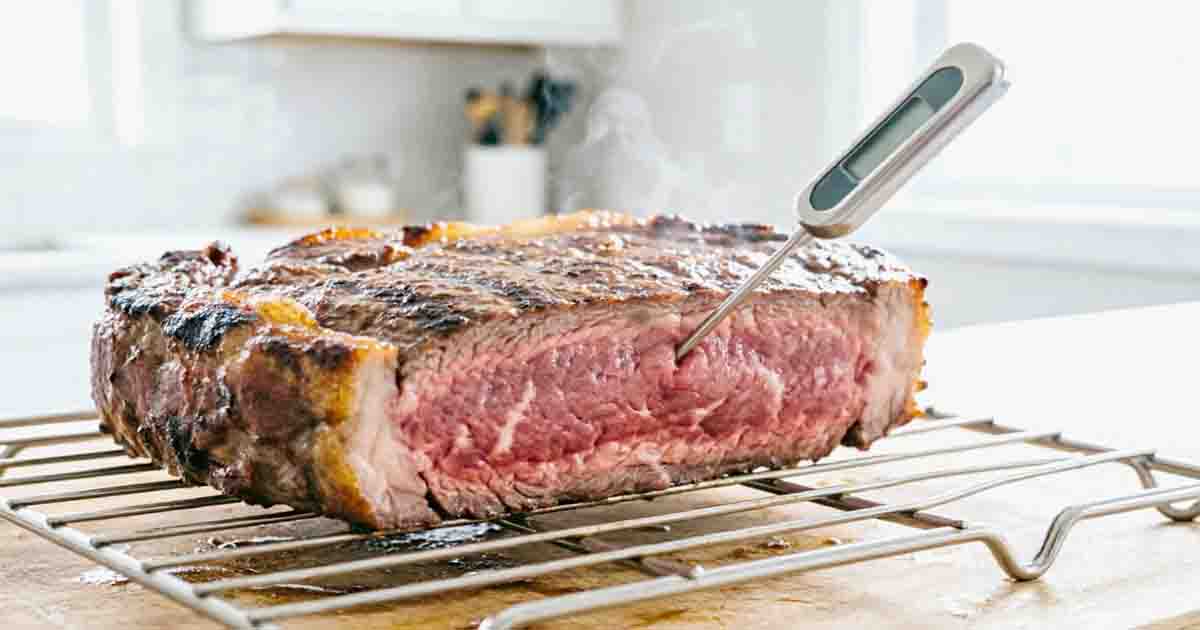
1.5 Check the internal temperature. Pull the steak at 130 degrees.
1.6 Rest the meat properly. Wait at least five full minutes.
1.7 Slice against the grain. This keeps every bite incredibly tender.
Tools you need before the pan gets hot
A 10–12 inch cast iron skillet holds heat best. An instant-read thermometer protects the center from overcooking.
Tongs beat a fork, because piercing releases juice.
Frequently Asked Questions
Schema Note: Wrap this section in FAQPage schema markup.
What is the best way to cook a Delmonico steak?
High heat creates the best crust on this cut. Use a cast iron skillet or a hot grill. Cook for three minutes per side, and rest before slicing.
Why is my Delmonico steak tough?
You likely bought a chuck eye version with coarser grain. So slice it very thinly against the grain.
How thick should a Delmonico steak be?
Buy a steak at least one inch thick. Thinner cuts overcook before the crust forms. So thickness buys you a proper sear.