

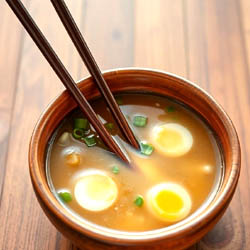
Understanding egg drop soup nutrition begins with this classic Chinese dish made by whisking eggs into hot broth to create silky egg ribbons. It’s often served at Chinese restaurants and home kitchens alike because it’s warm, comforting, and relatively low in calories. This guide explains in detail the nutrition facts, health benefits, risks, and how to make it healthier for your diet.
🥣 What is Egg Drop Soup?
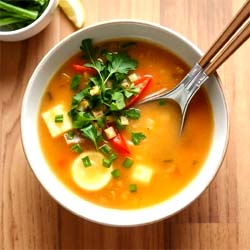
Egg drop soup (also called egg flower soup) is made by adding beaten eggs to simmering broth. The eggs cook quickly, forming delicate ribbons in the soup. It’s often seasoned with scallions, white or black pepper, and sometimes cornstarch to slightly thicken the broth.
🥗 Egg Drop Soup Nutrition Facts (Per 1 Cup Serving)
Based on nutrition databases and real food entries:
| Nutrient | Typical Amount |
|---|---|
| Calories | ~60–75 kcal per cup |
| Protein | ~2.8–7.5 g |
| Total Fat | ~1.5–3 g |
| Carbohydrates | ~4–10 g |
| Sodium | ~400–900 mg (varies widely) |
| Cholesterol | Moderate (from eggs) |
| Vitamin C | Some versions show ~15 mg |
| Iron & Minerals | Small amounts |
Note: Nutrition varies by recipe, broth type, and portion size. Homemade versions often have lower sodium than restaurant bowls.
🍛 Calories & Macronutrient Breakdown
Egg drop soup is light and low in calories, especially compared to many appetizers or entrees. Most calories come from:
-
Protein (eggs)
-
Carbohydrates (broth or added veggies)
-
Small amounts of fat (from egg yolks)
Compared with soups such as creamy chowders or noodle soups, egg drop soup has a low energy density, so you can enjoy it even on calorie-controlled diets.
🥣 Homemade vs. Restaurant Versions
One of the biggest gaps in common egg drop soup nutrition content online is sodium variability. Restaurant versions often use salted broths or soy sauce, leading to very high sodium levels — sometimes 800–1,200 mg per bowl, nearly half the daily limit for sodium recommended by the American Heart Association.
Homemade adjustments:
-
Use low-sodium chicken or vegetable broth
-
Skip or reduce soy sauce
-
Add herbs and spices for flavor
These swaps can cut sodium by more than 50% without sacrificing taste.
🌟 Health Benefits of Egg Drop Soup
1. Low in Calories
Egg drop soup is ideal for people who want a light meal or starter before a larger dish.
2. Protein Source
Even 1–2 eggs in soup provide high-quality protein, which supports muscle repair and satiety.
3. Easy on Digestion
Because it’s broth-based, it’s gentle and hydrating — good for recovery when you’re sick or under a busy schedule.
Eggs also bring nutrients like choline (for brain health) and B vitamins.

⚠️ Potential Risks
High Sodium
The most common concern with egg drop soup — especially from restaurants — is sodium. Excess sodium intake is linked to high blood pressure and heart disease risk.
Not High in Fiber
Most versions don’t contain enough vegetables or fiber. Adding greens can help.
Protein Is Moderate
If your goal is muscle building, egg drop soup alone doesn’t offer as much protein as other high-protein meals.
🥦 How to Make Egg Drop Soup Healthier
Here’s how to level up its nutrition:
-
Low-sodium broth
-
Add veggies: spinach, mushrooms, carrots
-
More eggs or tofu for protein
-
Fresh herbs instead of extra salt
These swaps turn it from a simple soup into a healthier option that can fit many diets.
🍽️ Egg Drop Soup for Specific Diets
Weight Loss
Low calories + protein helps keep hunger down.
Diabetic-Friendly
Low carb and low fat make it easier to fit into balanced meals.
Heart Health (With Adjustments)
Stick with low-sodium broth and avoid soy sauce to reduce salt impact.
Post-Illness Recovery
Hydrating and easy to digest, especially if you add more protein.
❓ People Also Ask (PAA)
-
How many calories are in egg drop soup?
About 60–75 calories per cup, depending on recipe.
-
Is egg drop soup healthy?
Yes — when made with low-sodium broth and extra nutrient additions.
-
Does egg drop soup raise blood pressure?
It can if sodium is high — choose low-sodium versions.
-
Can egg drop soup be part of weight loss?
Yes — it’s low in calories and can help you feel full with added protein.
-
Is egg drop soup high in protein?
Moderately — typically around 3–7 g per serving depending on eggs and broth.
🧠 Final Takeaway
Egg drop soup is light, nutritious, and versatile. Its caloric profile makes it a good starter or light meal, but its nutrition value depends heavily on how it’s prepared.
✔️ Best when homemade or low-sodium
✔️ Add veggies and extra protein for a healthier boost
✔️ Be mindful of sodium if you watch blood pressure
📌 Trusted References
-
USDA FoodData Central – https://fdc.nal.usda.gov
-
Mayo Clinic Nutrition Advice – https://www.mayoclinic.org
-
American Heart Association Sodium Guidelines – https://www.heart.org
-
Nutrition eCooks Healthy Soup Tips – https://healthecooks.com/blog/is-egg-drop-soup-healthy