

Table of Contents
Core principles behind this old-school eating style
Most mornings were just black coffee and water, then heavy meals later in the day. That level of simplicity made the routine easy to follow because there were fewer processed foods, fewer added sugars, and less stress around meal planning.
How the body adapts to low-carb eating
The bodybuilding roots behind the diet
A lot of these ideas came from old-school bodybuilding legends like Vince Gironda during the 1950s. His famous bodybuilder diet, later tied to the anabolic diet and maximum definition diet, focused heavily on dense animal proteins, strict ketogenic principles, and aggressive pre-contest cutting to reduce subcutaneous fat while keeping muscle tissue full and hard.
The process relied on glycogen depletion, lower liver glycogen, and a stronger ketogenic effect to increase calorie burning and improve muscle maintenance during hard cuts. Some bodybuilders even described mild steroid-like effects because of the fast visual changes in muscle gains, testosterone, and overall body composition.
Carb refeeds and cyclical dieting
During long cutting phases, many added a weekly cheat day with clean carbs like sweet potatoes, squash, or white rice for carbohydrate replenishment, while others followed a cyclic ketogenic diet with planned carb cycling to reduce carb cravings after long stretches of a zero-carb diet.
Some old-school lifters even used a giant spaghetti dinner with tomato sauce after depletion phases to refill glycogen stores. That strategy helped many athletes train harder while avoiding the flat and drained feeling common during strict dieting phases.
Nutritional benefits of steak and eggs
Nutritionally, steak provides first class protein, iron, zinc, vitamin D, and phosphorus in meat, while eggs bring choline for stronger brain function and long-term brain health. Together, these nutrient-rich foods support immune function, immune support, healthier joints, stronger metabolism, improved insulin sensitivity, better metabolic hormonal balance, and cleaner recovery through improved enzymes, oxidation, and overall nutrient density.
I’ve also seen improvements in gut bacteria, lower inflammation, easier easy digestion, stronger vitality, and better control over fat reserves when paired with intermittent fasting, even longer stretches like 19 hours fasting, where you simply eat only when hungry until fully satisfied.
Why many lifters still follow it
For many experienced lifters, especially a hard gainer, this old-school setup still feels like a reliable fat burning machine built around real food, quality macronutrients, and structured eating instead of endless diet rules.
Health and nutrition considerations with this eating style
When I first switched to this style of eating, the biggest thing I noticed was easier weight management. Meals built around high protein, high fat, and simple whole foods kept me full for hours, which made weight loss feel much less stressful. The mix of strong satiety, better appetite control, and natural hunger reduction helped me avoid random snacking during the day.
I also noticed less interest in junk food once I focused on whole foods, quality protein sources, and stricter processed foods elimination with full added sugar elimination.
For people trying to improve body composition, maintain muscle mass, and support muscle preservation, this style works well because the meals stay filling even during a caloric deficit or long periods of caloric restriction. The routine also creates a level of meal simplicity, easier meal prep, and faster grocery simplicity that helps with long-term consistency.
How low-carb eating changes energy and metabolism
During a strict low-carb lifestyle, the body shifts deeper into ketogenic metabolism, where fat adaptation improves the use of fats for energy instead of relying heavily on sugar. That process increases production of ketone bodies from fatty acids through liver conversion after glucose replacement slows down. I noticed steadier energy levels, cleaner focus, stronger mental clarity, and more stable mood once my body adapted to using fat as fuel.
Many people also report better blood sugar stabilization, improved insulin sensitivity, and lower risks tied to metabolic syndrome reduction and type 2 diabetes prevention when meals stay structured and consistent.
Nutrition quality and muscle support
The nutrition side matters more than people think. Steak and eggs naturally provide iron, zinc, B vitamins, vitamin D, choline, calcium, magnesium, phosphorus, potassium, folate, vitamin A, and other important micronutrients that support immune support, healthy bodily functions, stronger mental health, and overall vitality.
I’ve also noticed stronger recovery and better gym performance because the meals provide enough protein for muscle repair and support steady muscle growth during hard training phases. The combination of dense nutrients, cleaner eating, and lower sugar intake may improve overall dietary quality, stronger metabolic health, and smoother metabolic optimization over time.
Why many people stay consistent with this diet
Some people even find that the natural balance of protein and fat improves satiety hormones and supports ghrelin reduction, which makes eating less feel easier without constant cravings. That’s probably why many lifters describe this style as a convenient diet for bodybuilding nutrition, especially when trying to stay consistent without obsessing over numbers.
The structure encourages better dietary adherence, easier compliance, and stronger long-term success because meals stay repetitive, filling, and simple. I’ve seen people enjoy the freedom of no calorie counting, cleaner stress-free eating, and stronger sustainable eating habits while still improving nutritional efficiency, calorie efficiency, and efficient fat loss.
Once the body adapts, many people stay naturally satiated through steadier digestion, slower energy use, and more stable steady energy release, which makes this style of efficient dieting easier to maintain than most aggressive diet plans built around heavy food group restriction.
Potential risks and side effects
When I first experimented with stricter low-carb cutting phases, the biggest issue I noticed was how fast a simple routine could turn into an extreme diet if meals became too repetitive. Heavy carbohydrate restriction and long periods of restrictive eating can lead to nutritional imbalance, especially when there’s a serious lack of variety and a major lack of plant foods.
I’ve seen people run into dietary fiber deficiency, micronutrient deficiency, vitamin C deficiency, potassium deficiency, antioxidants deficiency, and phytonutrients deficiency after avoiding fruits and vegetables for too long. Those problems can affect digestive health, weaken immune function, and reduce support for disease prevention over time.
Managing nutrient gaps and digestion
Some people try fixing these issues through supplementation, adding low-carb vegetables, fermented foods, or bone broth, which can help improve digestive regularity, support gut health, and fill some nutrient gaps. Even then, long stretches of repetitive meals can create diet fatigue, reduced meal satisfaction, and eventually diet discontinuation because the approach becomes mentally exhausting.
I’ve also seen social isolation happen when someone refuses almost every normal meal during family events or dinners out. That’s usually where poor adherence starts, especially once the routine feels long-term unsustainable.
Metabolic and performance concerns
The metabolic side deserves attention too. Very low-carb eating can create noticeable metabolic impact, especially during heavy training blocks. Some lifters hit periods of low energy, mental fatigue, weakness, and performance decline after long stretches of glycogen depletion. Others complain about a strength decrease, flat muscles, and a reduced pump in the gym because muscle glycogen stays low for too long.
Keto adaptation and electrolyte issues
During early adaptation phases, people may also experience keto flu, carb deficiency, carb withdrawal, and even extreme ketosis if the transition becomes too aggressive. I’ve personally seen athletes struggle with muscle cramps, dehydration, and electrolyte imbalance tied to low sodium and magnesium intake during intense training periods.
Some also notice unpredictable energy fluctuations, changes in hormonal balance, and increased inflammation if recovery, sleep, and hydration fall apart. In more severe situations, ongoing nutrient problems may contribute to bodily dysfunction and stronger deficiency symptoms, especially when the diet becomes an example of unhealthy restriction or heavily restrictive macronutrients without flexibility.
Cholesterol and long-term health concerns
The long-term health discussion gets more serious for people with existing medical conditions. Heavy saturated fat intake may raise blood cholesterol, affect blood lipid levels, and increase cholesterol concerns, particularly in people with elevated LDL cholesterol or hereditary cholesterol issues. I’ve known lifters who felt incredible short term, then later discovered their cholesterol levels changed dramatically after months of strict dieting.
Medical monitoring and professional support
That’s why blood glucose monitoring, regular blood work, and attention to kidney function matter when someone follows this style of eating for extended periods. Research also continues to debate possible links between large amounts of red meat and cardiovascular disease, cardiac disease, stroke risk, heart attack risk, certain cancers, cancer risk, and even broader obesity risk factors tied to unhealthy long-term eating habits.
Anyone with underlying health conditions should seriously consider doctor consultation, support from a registered dietitian, or full healthcare professional consultation before making major changes. That becomes even more important for people dealing with treatment plans where possible chemotherapy interaction or medication issues could create dangerous adverse effects.
Core idea behind the steak and eggs diet
The steak and eggs diet comes from the Golden Era of Bodybuilding, shaped by names like Vince Gironda, Dr. Carlos Cassano, and references in Golden Era Bookworm, even tied to the 1962 NABBA Mr. Universe era with lifters like Stephen Downs. I first looked into it while studying old ketogenic diet systems, especially Gironda’s 8 x 8 routine and his Vince Gironda’s Blueprint for the Bodybuilder. What stood out was how fast some athletes reported an extraordinary transformation in just 9 months, shifting into a lean aesthetic physique, hard physique, and muscular physique using a strict anabolic diet.
The structure of the diet
The structure was simple but intense: carbohydrates removal, fruit restriction, vegetable restriction, salad greens restriction, and even milk products restriction, while relying on butter, cream, meat, fish, fowl, and eggs.
Many followed a zero carbohydrate diet that pushed deep glycogen depletion in liver glycogen, forcing fatty acids to turn into ketone bodies through liver conversion for brain fuel. This created a strong ketogenic effect, often linked with efficient fat burning, muscle sparing, and a dry, sharp look used in pre-contest cutting for a tight lean physique and visible subcutaneous fat reduction.
How performance and fat loss effects happen
Meal structure and satiety effects
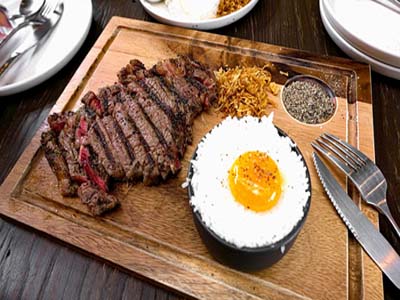
Training under this system often paired a high-fat high-protein diet with structured meals like breakfast steak and eggs, lunch steak and eggs, and dinner steak and eggs, sometimes around 375gm steak, 3–4 eggs, and roughly 103 grams protein daily.
This created strong satiation, stable blood sugar stabilization, and steady use of animal proteins instead of fibrous carbs. I noticed better easy digestion, reduced cravings, and fewer energy crashes when the body shifted into a primitive ketogenic diet, similar to ideas from Vilhjalmur Stefansson, the Eskimo Diet, Not By Bread Alone, Rheo J Blair, and the Meat and Water Diet.
Metabolic and ketogenic effects
The metabolic side is where things get interesting. When carbs stay low, glucose metabolism drops and the body relies more on fat reserves, improving calorie burning, metabolism boost, and overall energy use. Some lifters even reported testosterone increase, better sleep improvement, and stronger immune support, along with changes in gut bacteria balance.
Carb refeeds and cyclical ketosis
But when carbs return, especially through a cheat day, spaghetti dinner, or tomato sauce pasta meals, the body refills glycogen through carbohydrate replenishment, sometimes over a 72 hours carb meal phase. This cycle evolved into modern cyclic ketogenic diet and carb cycling, often used to reduce keto flu, manage carb cravings, and maintain a lean look during long fat loss phases.
Nutrition, adaptation, and long-term effects
Nutritional profile and supplementation
The nutrition profile is dense. Steak and eggs provide phosphorus, vitamin B12, selenium, niacin, vitamin B6, vitamin B2, vitamin B1, folate, calcium, and vitamin D, while also acting like functional superfoods for recovery and performance.
Some modern variations include NSP Nutrition, Athletes Mega-One Daily Multivitamin, milk and egg protein powder, or a simple protein shake to support muscle building and reduce fat loss plateaus.
Dieting behavior and long-term adherence
I’ve also seen people improve behavior change, grocery simplicity, and long-term dieting success when combining this with intermittent fasting, calorie restriction, or even alternate day fasting. Some research links structured low-carb phases to possible lifespan extension, cancer risk reduction, and anti-tumor effect, especially in contexts like obese adults or chemotherapy support, though results vary and depend heavily on the individual.
Overall takeaway
The biggest takeaway for me is simple: it can drive fast ripped physique changes, better muscle mass, and strong early fat burning, but it works best when paired with smart training, not extreme restriction alone.
Training, adaptation, and body response
Gironda-style training and conditioning
Gironda’s approach combined diet with brutal training like the 8 x 8 routine, pushing the body into deep pre-contest cutting conditions. That combination often triggered fast calorie burning, visible fat loss, and sharper conditioning, especially in athletes chasing a dry, detailed look.
Strength loss and carb refeeds
I’ve seen how quickly strength decrease and pump loss can appear during strict phases, which is why many lifters rotate in carbs or use sweet potatoes, squash, or white rice during refeeds to support recovery.
Long-term adaptation and balance
Over time, the body adapts through cyclical ketosis, shifting between fat and carb use depending on intake. That’s where detox, reduced inflammation, and improved metabolism boost are often reported, especially when paired with nutrient support and proper rest. Still, long-term success depends on balance, because extreme restriction can affect energy, performance, and consistency if not managed carefully.
When In Doubt: Steak And Eggs-A 6 Word Flowchart and Solution
I first heard this nutrition roadmap idea from people discussing Dan John and Paul Carter, where simple eating beats overthinking every time. Instead of chasing random diets built around PBJs, peanut butter and jelly sandwiches, or flashy trends, the idea was to follow a high speed low drag nutrition system using the steak and eggs flowchart.
Simple Meal Structure and Everyday Use
The method is simple: pick a protein source, add a fat source, and repeat through easy breakfast ideas, dinner ideas, work meals, school meals, restaurant meals, meal prep, and even family meals. I started using this style during busy weeks when grocery shopping became stressful, and honestly, it removed decision fatigue better than any magic 8-ball nutrition plan.
Vince Gironda Steak and Eggs Diet Approach
The old-school Vince Gironda steak and eggs diet followed a strict 5 day on 1 day off setup with two meals a day, usually around 4–6 eggs and 0.75–1.5 lbs steak, mainly to support bodybuilder conditioning, fat loss, and muscle building while still having energy to lift weights. The rule was close to “eat when hungry until not,” which sounds basic, but it works surprisingly well for people trying to gain weight or cut body fat without obsessing over calories.
Steak Choices and Protein-to-Fat Balance
What makes this approach different is the variety hidden inside simple foods. You can use red meat like ribeye, sirloin, tri tip, t-bone, filet, picanha, flank steak, skirt steak, London broil, chuck steak, top round, bottom round, cube steak, chopped steak, hamburger, or New York Strip, depending on your protein-to-fat profile and leanness scaling goals.
Beef Quality and Cooking Methods
I’ve tried both grassfed beef, grainfed beef, piedmontese beef, and angus beef, and cooking style changes the experience completely, whether it’s smoked steak, grilled steak, pan fried steak, butter cooking, or sous vide steak.
Egg Styles and Breakfast Nutrition
Eggs also matter more than people think. Some prefer egg whites, others keep the yolks for better breakfast nutrition and satisfying dinner food. Over time I rotated between poached eggs, hard boiled eggs, soft boiled eggs, over easy eggs, over medium eggs, over hard eggs, sunny side up eggs, omelet, frittata, raw eggs, baked eggs, and even whole egg omelets using pasture raised eggs or Vital Farms eggs.
Warrior’s Breakfast and Strength Culture
One of my favorite setups is a 14oz ribeye with eggs because it feels like a modern warrior’s breakfast, something close to the eating habits shown in Surviving the Cut with United States Marine Corps recruits during the crucible phase. Even funny examples like Gaston, eating 4 dozen eggs or 5 dozen eggs, reflect how deeply eggs are tied to strength culture.
Long-Term Nutrition and Modern Eating Habits
Compared to modern nutritional norms and traditional meals, these unique meals feel extreme at first, but they can become part of long-term nutrition and even awesome nutrition plans when balanced correctly. I remember learning more from this style than from my old undergrad nutrition course, especially after realizing how fast food meals like Panda Express orange chicken and processed snacks triggered hunger compared to simple protein-rich foods and practical leftovers lunch meals.
Disclaimer:
This content represents educational information, not medical advice. Individual results vary. Always consult healthcare providers before making dietary changes, especially with pre-existing conditions. Regular medical monitoring is essential during this protocol. The authors and publishers are not responsible for adverse effects from implementation of this information.
- Obesity and Obesity-Related Thyroid Dysfunction: Any Potential Role for the Very Low-Calorie Ketogenic Diet (VLCKD)?
- How Does Keto Affect Thyroid Health? – Keto Therapeutics
- Could the ketogenic diet induce a shift in thyroid function and support a metabolic advantage in healthy participants?
- Keto Diet: Impact On Thyroid And Tsh Levels | ShunKeto
- Changes of thyroid hormonal status in patients receiving ketogenic diet due to intractable epilepsy
- Ketogenic Diet And Hormonal Balance: Expert Lists Its Impact On Thyroid And Adrenal Function