

Table of Contents
How Much Protein Is in Eggs?
Complete Guide: 1 to 6 Eggs
Exact protein values by egg count, size, and cooking method — backed by USDA data and peer-reviewed research.
Reviewed by Dr. Evelyn Karen, M.D., Ph.D., Certified Dietitian · Updated: April 2026
When you reach for eggs at breakfast, you are making one of the most nutritionally efficient choices available. However, the question that truly matters for anyone tracking nutrition is this: how much protein do eggs actually provide? The answer depends on egg size, whether you eat the whole egg or just the white, and how you prepare it.
This guide consolidates everything — protein data for 1 through 6 eggs, comparisons by size and cooking method, and guidance on how to use eggs strategically for muscle growth or weight management. All values are drawn from USDA FoodData Central and peer-reviewed literature.
Protein in 1 to 6 Eggs: At a Glance
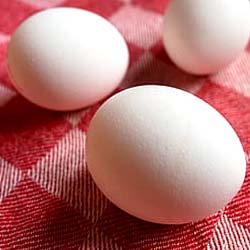
Below are the protein values for large eggs, which serve as the nutritional standard in USDA databases. Furthermore, these figures remain consistent regardless of whether eggs are boiled, poached, scrambled, or fried.
| Eggs (Large) | Total Protein | Whites Only | Yolks Only | Best For |
|---|---|---|---|---|
| 1 egg | 6–7 g | ~3.6 g | ~2.7 g | Snack, side dish |
| 2 eggs | 12–14 g | ~7.2 g | ~5.4 g | Light breakfast |
| 3 eggs | 18–21 g | ~10.8 g | ~8 g | Balanced breakfast |
| 4 eggs | 24–28 g | ~14.4 g | ~10.8 g | Post-workout meal |
| 5 eggs | 30–35 g | ~18 g | ~13–15 g | Athletic / bulking |
| 6 eggs | 36–42 g | ~21.6 g | ~16–18 g | Strength training |
Why Egg Protein Quality Sets the Standard
Not all protein is created equal. Consequently, nutrition science uses the Digestible Indispensable Amino Acid Score (DIAAS) to rate protein quality. Eggs consistently achieve the highest possible score. The reason is straightforward: eggs contain all nine essential amino acids in proportions that closely match human metabolic needs. Therefore, nutrition researchers have historically used the whole egg as the reference food against which all other proteins are measured.
Furthermore, cooked egg protein is far more bioavailable than raw egg protein. A landmark study by Evenepoel et al. (1998) demonstrated that cooked egg protein achieves approximately 91% digestibility, compared to roughly 51% for raw eggs. As a result, cooking does not reduce protein quantity — it actively improves protein absorption.

Protein Content by Egg Size
Because egg sizes vary considerably, knowing how to adjust for size helps you calculate protein intake accurately. Most nutrition labels reference large eggs. However, if your carton contains extra-large or jumbo eggs, your actual protein intake will be noticeably higher.
| Size | Weight | 1 Egg | 2 Eggs | 3 Eggs | 4 Eggs | 6 Eggs |
|---|---|---|---|---|---|---|
| Small | ~38 g | ~5 g | ~10 g | ~15 g | ~20 g | ~30 g |
| Medium | ~44 g | ~5.5 g | ~11 g | ~16.5 g | ~22 g | ~33 g |
| Large ✦ standard | ~50 g | 6–7 g | 12–14 g | 18–21 g | 24–28 g | 36–42 g |
| Extra-Large | ~56 g | ~7 g | ~14 g | ~21 g | ~28 g | ~42 g |
| Jumbo | ~63 g | ~8 g | ~16 g | ~24 g | ~32 g | ~48 g |
Egg White vs. Whole Egg: What the Science Shows
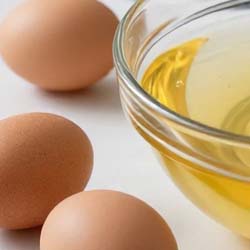
One of the most persistent myths in sports nutrition is that egg whites are superior to whole eggs. While egg whites do contain slightly more protein by proportion, discarding the yolk means giving up nutrients that directly support protein utilization. Therefore, unless you are specifically restricting dietary fat, whole eggs deliver better overall nutritional value per gram of protein.
| Component | Protein (1 Large Egg) | Key Nutrients |
|---|---|---|
| Egg white only | ~3.6 g | Riboflavin, selenium, potassium |
| Egg yolk only | ~2.7 g | Vitamins D, B12, choline, iron, zinc, healthy fats |
| Whole egg ✦ recommended | 6–7 g | Full profile — highest DIAAS score |
How Cooking Affects Protein Content
Cooking does not reduce protein quantity in eggs. In fact, it substantially improves protein digestibility by denaturing the protein structures, making them more accessible to digestive enzymes. Consequently, boiled, poached, scrambled, or fried eggs all deliver the same protein amount. Added fats change calories — not protein.
Eggs for Muscle Building and Weight Loss
Muscle Building and Recovery
Muscle protein synthesis requires adequate leucine — the key trigger amino acid. Eggs are particularly rich in leucine (~0.54 g per large egg). Moreover, because eggs score at the top of the DIAAS scale, each gram of egg protein triggers more muscle protein synthesis per gram than lower-quality sources such as wheat or soy. For athletes, therefore, 4–6 eggs per meal provide a complete, high-quality protein foundation.
Weight Loss and Appetite Control
Protein is the most satiating macronutrient. Because eggs deliver high-quality protein alongside moderate fat and virtually zero carbohydrate, they produce a particularly strong satiety response. Multiple randomized controlled trials have demonstrated that a high-egg breakfast significantly reduces caloric intake at subsequent meals compared to a high-carbohydrate breakfast of equal calories. Furthermore, eggs stabilize blood glucose by slowing gastric emptying, which prevents the hunger crashes common after high-carbohydrate meals.
How Many Eggs Per Meal? Matching Count to Goals
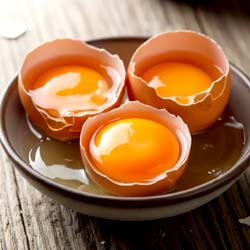
Most nutrition research supports consuming 20–40 g of high-quality protein per meal to maximally stimulate muscle protein synthesis. Because whole eggs provide approximately 6–7 g each, the following table helps match egg count to common goals.
| Eggs / Meal | Protein | Best For | Recommendation |
|---|---|---|---|
| 1 egg | 6–7 g | Snack or side dish | Combine with other protein sources |
| 2 eggs | 12–14 g | Light breakfast, calorie-restricted | Add dairy or legumes to reach 20 g |
| 3 eggs | 18–21 g | Balanced breakfast or lunch | Near-complete meal for most adults |
| 4 eggs | 24–28 g | Post-workout, active adults | Meets MPS threshold on its own |
| 5 eggs | 30–35 g | Athletes, bulking phase | Exceeds per-meal protein targets |
| 6 eggs | 36–42 g | Strength athletes, high-protein protocols | Monitor total daily calorie balance |

Frequently Asked Questions
References & Sources
All values and clinical findings cited in this guide are supported by the following peer-reviewed literature and authoritative databases.
- USDA FoodData Central — fdc.nal.usda.gov
- Evenepoel P, et al. (1998). Digestibility of cooked and raw egg protein. Journal of Nutrition. PubMed: 9772141
- van Vliet S, et al. (2017). Whole eggs vs. egg whites and muscle protein synthesis. American Journal of Clinical Nutrition. PubMed: 28978542
- Leidy HJ, et al. (2015). The role of protein in weight loss. American Journal of Clinical Nutrition. PubMed: 25926512
- Qin C, et al. (2020). Egg consumption and cardiovascular disease. Heart (BMJ). PubMed: 32241886
- FAO/WHO (2013). Dietary Protein Quality Evaluation in Human Nutrition. fao.org
- Egg Nutrition Center — eggnutritioncenter.org
- Egg Farmers of Canada — eggs.ca
- British Egg Information Service — egginfo.co.uk
- Australian Eggs — australianeggs.org.au
- Harvard T.H. Chan School of Public Health — hsph.harvard.edu
- National Institutes of Health (NIH) — ncbi.nlm.nih.gov
- Cleveland Clinic Health Essentials — clevelandclinic.org