

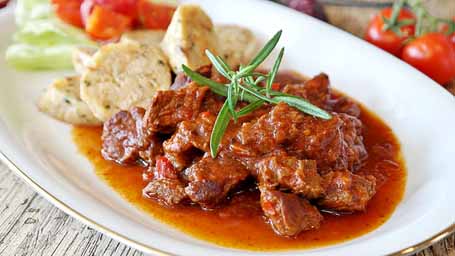
If you are looking for a breakfast that is high in protein, low in carbs, and keeps you full for hours — steak and eggs checks every box. But how much protein is actually in steak and eggs? And does it really matter which cut of steak you use, or how many eggs you add?
A standard homemade serving of steak and eggs gives you between 53 and 56 grams of protein per meal. That is more protein than most people eat in two or three regular meals combined.
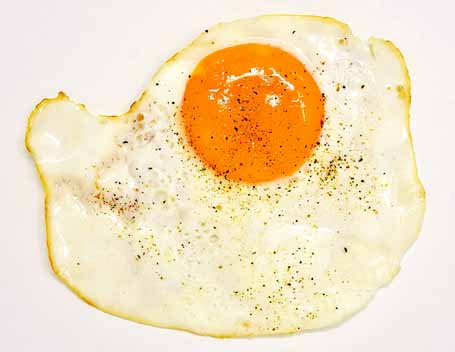
Here is the protein breakdown by ingredient:
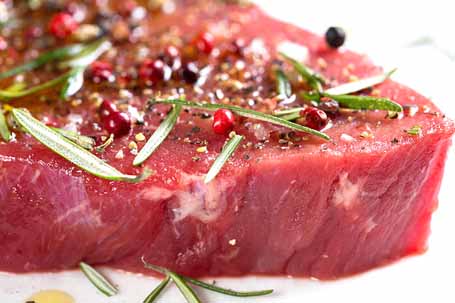
- 150 g sirloin steak = about 38–42 g of protein
- 2 large eggs = about 12–14 g of protein
- Total per serving = 53–56 g of protein
To put that in perspective, most adults need between 50 and 60 grams of protein per day as a minimum. One steak and eggs meal can cover your full daily minimum in a single sitting.
Steak and Eggs Nutrition Comparison (All Versions)
Not every steak and eggs meal is the same. The protein content stays strong across all versions, but calories, fat, and carbs change a lot depending on how the meal is prepared. Use this table to find the version that fits your goal:
| Meal Version | Calories | Protein | Fat | Carbs | Serving Size | Best For |
| Simple Homemade (Lean Sirloin + 2 Eggs) | 380 kcal | 56 g | 16 g | 7.2 g | 1 serving | Fat loss, lean muscle |
| Restaurant Combo (8 oz Sirloin) | 675 kcal | 56 g | 35 g | 29 g | 439 g | Bulking, heavier meals |
| Bodybuilder Version (Extra Eggs + Larger Steak) | 700–1000 kcal | 70–90 g | 45–60 g | 10–15 g | ~600 g+ | Serious muscle gain |
| Keto / Carnivore Version | 350–500 kcal | 50–60 g | 25–35 g | 0–2 g | ~300 g | Keto, zero carb diets |
Key takeaway: No matter which version you choose, the protein in steak and eggs stays between 50 and 90 grams per serving. That is the power of combining red meat with eggs — you get a complete protein source every single time.
Nutritional Value Per Serving
A standard serving of steak and eggs uses 4 oz to 6 oz lean steak with 2 large eggs. This typical serving gives about 380 calories to 650 calories.
It also provides 40g protein to 60 grams protein with 15 grams fat to 40 grams fat.
You get zero carbohydrates, 0 grams carbs, or up to 5 grams carbs, based on added sides, cooking oil, butter, and the cut of meat. I often choose sirloin steak because it gives solid protein without too many calories. The exact numbers change with each serving, measured in kcal.
The impact of meat selection also matters. A 4 oz (113g) portion of sirloin steak offers about 170 kcal and 30g protein. A ribeye steak provides around 270 kcal and 25g protein because it has more fat. Filet mignon gives about 200 kcal with 28g protein. Impact of eggs is simple too. 2 large whole eggs add about 140 kcal and 13g protein.
If you eat out, Popular chain restaurant variations differ. Cheesecake Factory Grilled Steak & Eggs contains about 660 calories and 43g protein, while Denny’s Sirloin Steak and Eggs has about 622 calories and 44g protein.
Why Protein in Steak and Eggs Is So High-Quality
It is not just about how much protein you eat. It is also about how good that protein is. Steak and eggs contain what nutrition scientists call complete protein — meaning they carry all nine essential amino acids your body cannot make on its own.
This matters because complete proteins help your body build muscle, recover from exercise, produce hormones, and keep your immune system strong. Most plant proteins are incomplete, which means they are missing one or more of these key amino acids.
Amino Acid Profile of Steak and Eggs (Per Serving)
Here is the full amino acid breakdown from a standard steak and eggs meal:
| Amino Acid | Amount per Serving |
| Leucine (triggers muscle growth) | 26.2 g |
| Lysine (supports tissue repair) | 27.7 g |
| Valine (fights muscle fatigue) | 15.8 g |
| Histidine (supports immunity) | 10.6 g |
| Methionine (liver health) | 8.5 g |
| Tryptophan (mood and sleep) | 3.5 g |
Leucine is the most important amino acid for muscle growth. It acts like a switch that tells your muscles to start growing after a workout. One serving of steak and eggs gives you 26 grams of leucine — far more than most protein shakes or supplements.
Vitamins and Minerals in Steak and Eggs
Protein is the headline, but steak and eggs also delivers a powerful punch of vitamins and minerals. Here is what one homemade serving gives you:
| Nutrient | Amount (per serving) | % Daily Value |
| Vitamin B12 | 21.2 µg | 265% DV ✓ |
| Choline | 2001 mg | 318% DV ✓ |
| Iron | 28.7 mg | 115% DV ✓ |
| Zinc | 41 mg | 205% DV ✓ |
| Selenium | 359.5 µg | 200% DV ✓ |
| Phosphorus | 2949 mg | 236% DV ✓ |
Vitamin B12 is especially important because it is only found naturally in animal foods. One serving gives you over 200% of your daily needs. B12 helps your body make red blood cells, keeps your nerves healthy, and gives you energy.
Choline is another standout. Most people have never heard of it, but choline is critical for brain health, memory, and liver function. Eggs are one of the best sources of choline on the planet — and steak adds even more.
Calories in Steak and Eggs by Cooking Style
How you cook your steak and eggs changes the calorie count significantly. The protein stays high no matter what — but oils, butter, sauces, and sides can double the total calories.
- Pan-fried in olive oil (sirloin + 2 eggs): 380–450 kcal
- Pan-fried in butter: 420–500 kcal
- Grilled steak with poached eggs: 350–400 kcal
- Restaurant-style with hash browns and toast: 650–900 kcal
- Bodybuilder version (large steak + 4 eggs + extra yolks): 700–1000 kcal
The cleanest way to cook this meal is grilling or pan-frying with minimal oil. Skip the toast, potatoes, and ketchup if your goal is fat loss or staying low carb.
Is Steak and Eggs Good for You?
For Weight Loss
Yes — when kept simple. High-protein meals reduce hunger hormones and help you feel full longer. Research shows that people who eat more protein tend to eat fewer calories overall throughout the day. A lean steak with two eggs gives you 56 grams of protein at around 380 calories — that is a very strong protein-to-calorie ratio.
For Building Muscle
Steak and eggs is one of the best muscle-building breakfasts you can eat. The combination of leucine (from steak) and choline (from eggs) creates the perfect environment for muscle protein synthesis — the process your body uses to repair and grow muscle after a workout.
For Keto and Low-Carb Diets
A basic steak and eggs meal with no sides contains fewer than 7 grams of net carbs. That makes it fully compatible with ketogenic diets, carnivore eating, and any low-carb meal plan. It is one of the cleanest, most natural keto meals you can make with simple everyday ingredients.
For People with Busy Lifestyles
Steak and eggs takes less than 10 minutes to cook. It requires no complicated ingredients. It keeps you full until lunch or even later — which means fewer snacks, less temptation, and better food choices for the rest of the day.
What to Watch Out For
Steak and eggs is a very healthy meal — but a few things are worth keeping in mind:
High sodium in restaurant versions: A restaurant steak and eggs combo can contain over 7000 mg of sodium — that is more than 300% of the recommended daily limit. If you have high blood pressure, cook at home and go light on added salt.
Saturated fat in fattier cuts: Ribeye and T-bone steaks are delicious, but they carry much more saturated fat than sirloin. If heart health is a concern, choose leaner cuts like sirloin, tenderloin, or flank steak.
Low in fiber: This meal has almost no fiber. If you eat steak and eggs regularly, consider adding a side of leafy greens, avocado, or cucumber to help with digestion and nutrient balance.
Simple High-Protein Steak and Eggs Recipe
This recipe gives you the highest protein-to-calorie ratio with the least amount of effort:
Ingredients (1 serving)
- 150 g sirloin steak (or flank steak for leaner option)
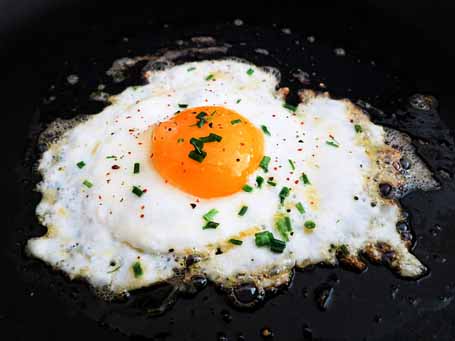
- 2 large eggs
- 1 tsp olive oil or cooking spray
- Salt and black pepper to taste
- Optional: fresh herbs like parsley or chives
Steps
- Heat a pan on medium-high heat for 2 minutes
- Add oil and place steak in the pan
- Cook steak 3–4 minutes per side for medium doneness
- Remove steak and let it rest for 2 minutes (this keeps it juicy)
- In the same pan, crack in eggs and cook to your preferred doneness
- Season everything with salt and pepper, then serve immediately
Total time: Under 10 minutes. Protein: ~56 g. Calories: ~380 kcal.
Which Version of Steak and Eggs Is Right for You?
Use this quick guide to pick the best version for your personal health goal:
| Your Goal | Best Version to Choose | Pro Tip |
| Lose body fat | Simple homemade (380 kcal) | Skip butter and sauces |
| Build muscle | Bodybuilder version (700+ kcal) | Add a third egg for extra leucine |
| Follow keto/carnivore | Keto version (0–2 g carbs) | Cook in tallow or butter only |
| High energy breakfast | Restaurant-style combo | Watch sodium levels |
Protein in Steak and Eggs vs Other High-Protein Breakfasts
How does steak and eggs compare to other popular high-protein breakfast options?
- Steak and eggs (150 g sirloin + 2 eggs): 53–56 g protein
- Greek yogurt with granola: 15–20 g protein
- Protein shake (one scoop): 20–25 g protein
- Chicken breast + eggs (3 eggs): 45–50 g protein
- Bacon and eggs (4 strips + 3 eggs): 25–30 g protein
Steak and eggs wins by a wide margin. No other common breakfast option gives you as much complete, bioavailable protein in a single meal without needing supplements.
Frequently Asked Questions
How much protein is in steak and eggs?
A standard homemade serving of steak and eggs contains 53 to 56 grams of protein. This is based on a 150 g sirloin steak (38–42 g protein) plus two large eggs (12–14 g protein). Larger steaks or more eggs will increase the total further.
Does the type of steak change the protein amount?
Slightly — but not dramatically. Most lean beef cuts (sirloin, flank, tenderloin) give between 25 and 30 grams of protein per 100 grams of cooked meat. Fattier cuts like ribeye have slightly less protein by weight, because more of the weight is fat. Sirloin gives the best balance of high protein and moderate fat.
Is steak and eggs good for building muscle?
Yes — it is one of the best meals for muscle building available. It gives you a complete amino acid profile, very high leucine levels to trigger muscle protein synthesis, iron and zinc to support recovery, and B12 for energy metabolism. Athletes and bodybuilders have eaten steak and eggs as a staple meal for decades for good reason.
Can I eat steak and eggs every day?
Yes, most healthy adults can eat steak and eggs regularly without issue. For daily eating, choose lean cuts like sirloin or flank steak to manage saturated fat. Add a side of leafy greens to balance out the low fiber. If you have specific health concerns, consult your doctor or a registered dietitian.
Is steak and eggs keto-friendly?
Yes. A simple steak and eggs meal with no added carb sides contains fewer than 7 grams of net carbs per serving. It fits perfectly into ketogenic diets, carnivore diets, and low-carb meal plans. Avoid restaurant versions with toast, potatoes, or ketchup if you are strictly low-carb.
How does protein in steak compare to protein in eggs?
One 150 g sirloin steak gives you roughly 38–42 grams of protein. Two large eggs give you about 12–14 grams. Together, they create a powerful protein combination that is also much more filling than eating either food alone. The steak delivers iron and zinc; the eggs deliver choline and healthy fats — making this a nutritionally complete pairing.
| Question | Quick Answer |
| How much protein is in steak and eggs? | 53–56 g per serving (homemade) |
| Is steak and eggs good for keto? | Yes — naturally very low carb |
| How many calories in steak and eggs? | 380 kcal (simple) to 1000 kcal (large) |
| Best steak cut for protein? | Sirloin — high protein, moderate fat |
| Is steak and eggs good for weight loss? | Yes — high protein keeps you full longer |
Final Takeaway
Protein in steak and eggs is among the highest of any natural breakfast meal you can make. A simple homemade version gives you 53 to 56 grams of complete protein, all nine essential amino acids, over 200% of your daily B12, and strong amounts of iron, zinc, and choline — all in under 10 minutes of cooking time.
Whether your goal is fat loss, muscle building, keto eating, or just a satisfying breakfast that keeps you full until dinner — steak and eggs delivers. Keep it simple, choose lean cuts, and skip the heavy restaurant sides to get the most out of this powerful, time-tested meal.
Wrapping It Up: Your Protein Journey Continues!
So, you have now learned that protein in steak and eggs is a fantastic, low-carb powerhouse. It typically delivers anywhere from 41 to 60 grams of high-quality protein, depending on your serving size. Moreover, it is a complete protein source, meaning it provides all the essential amino acids your body needs. It is also packed with vital nutrients like iron and B12, and furthermore, it is highly absorbable.
If you found this guide helpful, please give it a like and share it with friends and family who are looking for simple, powerful ways to boost their nutrition. Let’s spread the word about this incredible meal!
Disclaimer: The content on this website about best natural detox foods is intended for informational purposes only and should not be taken as medical advice. Always consult with a qualified healthcare professional for personalized guidance regarding your health needs.