

Table of Contents
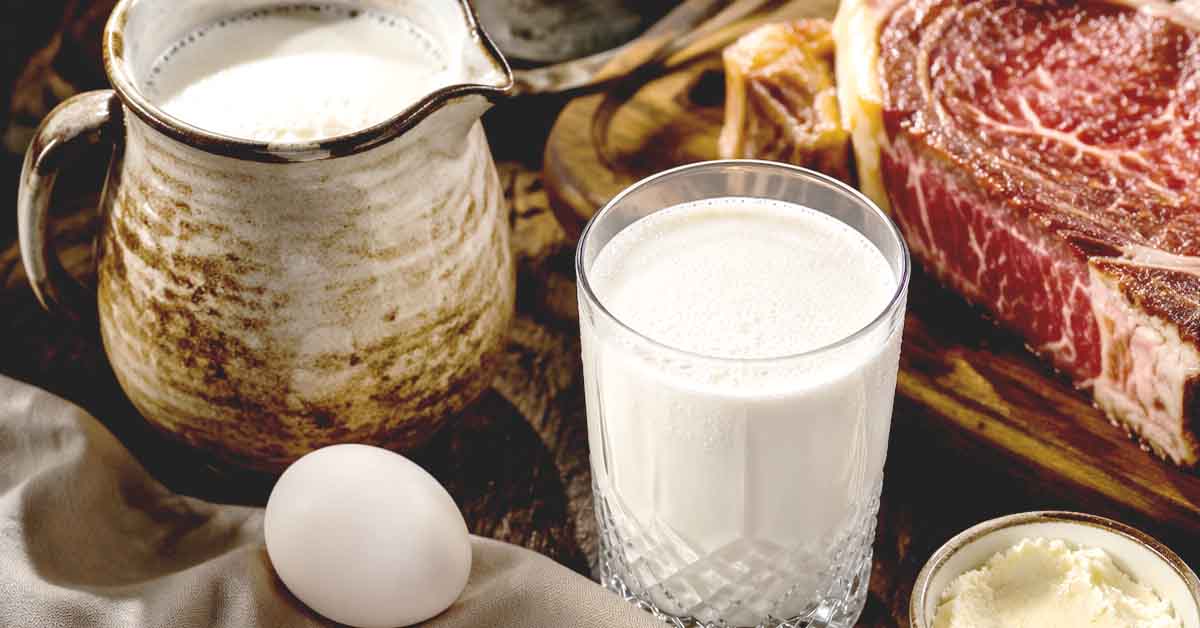
One cup of whole milk holds 12 grams of milk sugar. That single fact starts every carnivore milk debate.
Milk comes from a cow. Meat comes from a cow too. But milk carries a carbohydrate that meat does not. This guide gives you the direct answer, the lactose science, the legal rules for raw milk in four countries, and a simple test you can run this week. No guessing. Just a clear path to the choice that fits your goal.
Is milk allowed on the carnivore diet?
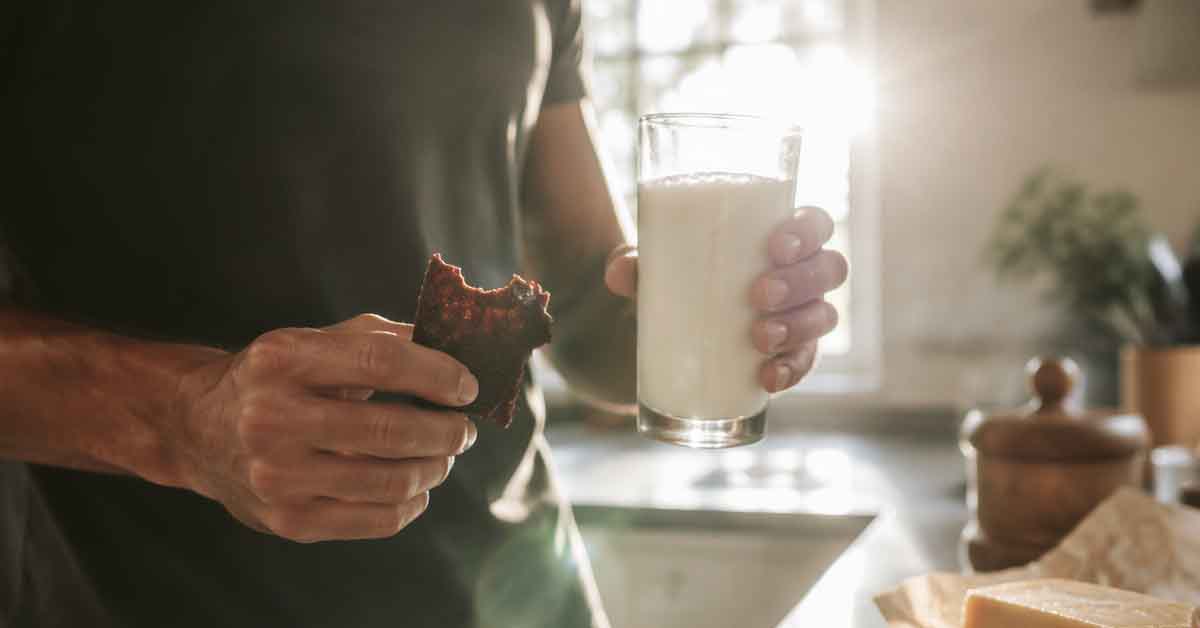
Yes, milk is allowed on the carnivore diet because it comes from an animal. But most strict carnivore, zero-carb, and Lion Diet followers still remove it, because lactose is a natural sugar that counts as a carbohydrate.
A glass of whole milk has protein, fat, vitamins, and minerals. It also has close to 12 grams of lactose per cup. That sugar content is why so many carnivore eaters cut milk out, especially in the first few weeks.
Your goal decides the right choice more than any rule does. A bodybuilder chasing extra calories has different needs than someone chasing deep ketosis.
The one question that matters: Does milk help you reach your goal, or does it make reaching that goal harder?
Milk may fit your plan if you:
1.1 Want to build muscle or gain weight. 1.2 Need extra calories for training. 1.3 Tolerate dairy without bloating or acne. 1.4 Are not chasing deep ketosis. 1.5 Already finished an elimination phase.
Milk may work against your plan if you:
2.1 Want faster fat loss. 2.2 Have lactose intolerance. 2.3 Notice bloating, breakouts, or gut pain after dairy. 2.4 Are starting a strict carnivore reset. 2.5 See your progress stall every time dairy creeps back in.
Why milk divides the carnivore community
Milk is an animal product. That part is simple. The disagreement is about lactose, personal goals, and how each body handles dairy.
Some carnivore eaters treat every animal food as fair game. Others follow a strict carnivore, zero-carb, or Lion Diet path built to remove anything that might trigger cravings or gut trouble. Lactose lands on that removal list first.
Goals split the community too. Someone reversing insulin resistance eats differently than a strength athlete adding muscle. One person drinks milk daily and feels great. Another cuts it and finally breaks a stalled plateau.
Both people can be right at the same time. The real question shifts from “is milk allowed” to “does milk support what I am trying to do.”
Lactose: the ingredient behind the whole debate
Beef, lamb, pork, chicken, fish, and eggs carry almost no carbohydrate. Milk breaks that pattern.
An 8-ounce glass of whole milk holds roughly 12 grams of lactose. A 12-ounce glass holds close to 18 grams. For a zero-carb eater, that adds up fast.
This is why many carnivore veterans use butter, ghee, or heavy cream but skip the glass of milk. Cream and butter form during processing, and most of the lactose stays behind in the leftover liquid.
<cite index=”5-2″>Roughly 65% of adults worldwide cannot fully break down lactose, because their bodies stop producing enough of the lactase enzyme after childhood.</cite> That gap explains why bloating, gas, and cramping show up so often in carnivore milk stories.
Milk allergy vs. lactose intolerance: know the difference
These two get mixed up constantly, and the mix-up wastes people’s time and money.
Lactose intolerance happens when your body makes too little lactase, the enzyme that breaks down milk sugar. Symptoms include bloating, gas, cramps, and loose stool within a few hours of drinking milk.
Milk allergy is different. Your immune system reacts to milk protein, not sugar. Reactions can include hives, swelling, or breathing trouble, and they can turn serious fast.
Switching milk type, like moving to A2 or raw milk, will not fix lactose intolerance. The sugar stays the same no matter the label. A true milk allergy needs full dairy avoidance and a doctor’s guidance, not a different brand.
Types of milk on carnivore: how they compare
Butter, ghee, and heavy cream separate from milk during processing. That separation strips out most of the lactose while keeping the fat.
| Dairy food | Lactose | Protein | Fat | Strict carnivore fit |
|---|---|---|---|---|
| Ghee | None | None | Very high | Excellent |
| Butter | Almost none | Very low | Very high | Excellent |
| Heavy cream | Very low | Low | Very high | Excellent |
| Hard cheese | Low | High | High | Usually fine |
| Greek yogurt | Moderate | High | Moderate | Depends on goal |
| Whole milk | High | Moderate | Moderate | Usually limited |
| Skim milk | High | Moderate | Very low | Least suitable |
Whole milk beats skim or low-fat milk for carnivore eaters. Removing the fat leaves the lactose behind and drops the calorie density that a high-fat diet needs.
Beyond cow’s milk: goat, sheep, and camel milk
Cow milk gets most of the attention, but it is not the only option on the table.
Goat and sheep milk naturally lean toward A2 beta-casein, the protein form some people digest more easily. Both still carry a similar lactose load to cow milk, so they will not help a strict zero-carb goal.
Camel milk carries slightly less lactose than cow milk and has a different casein structure. Some people report easier digestion, though it remains a carbohydrate-containing food and stays outside a strict carnivore plan.
Lactose-free milk has the lactose broken down through an added enzyme before bottling. It removes the digestive trigger but keeps a similar sugar count on the label, because the lactose turns into simpler sugars instead of disappearing.
Grass-fed milk: does it change anything?
Grass-fed milk often carries more omega-3 fat, more CLA, and richer fat-soluble vitamins than grain-fed milk. The cows eat closer to their natural diet, and that shows up in the milk.
None of that changes the sugar count. Grass-fed milk still holds close to the same lactose as any other cow milk.
Treat grass-fed milk as a higher-quality version of the same food. It is not a separate, low-carb category.
Raw milk vs. pasteurized milk
Raw milk skips the heating step that pasteurized milk goes through. Both come from the same animal and carry nearly the same lactose, protein, and fat.
Pasteurization heats milk to reduce harmful bacteria like E. coli, Salmonella, and Listeria. It lowers a few heat-sensitive nutrients slightly but keeps most of the protein, calcium, and vitamin content intact.
Raw milk keeps its natural enzymes and any bacteria present before collection. Supporters point to flavor and tradition. Health agencies point to a higher food-safety risk, especially for pregnant people, young children, older adults, and anyone with a weakened immune system.
Neither option removes lactose. If sugar content is your concern, raw milk offers no advantage over pasteurized milk.
Is raw milk legal? Rules by country
This is the part most carnivore guides skip, and it matters if you plan to buy raw milk.
| Country | Raw milk sale status |
|---|---|
| United States | Rules differ by state, and dozens of states allow some form of direct farm sale under state oversight. |
| Canada | The sale of raw milk is banned nationwide under federal law. |
| United Kingdom | Raw cow’s milk sale stays legal in England, Wales, and Northern Ireland when sold straight from a registered farm, a farm vending machine, or a registered farmers’ market. Scotland bans raw milk and raw cream sales completely. |
| Australia | Selling raw milk as a food is illegal nationwide, and nearly all milk sold must be pasteurized.NSW allows unpasteurized goat milk only when it carries a clear unpasteurized label. |
Always confirm current rules with your local food safety authority before buying raw milk. Laws change, and penalties for unlicensed sale can be steep.
A1 milk vs. A2 milk
Milk carries two main proteins: casein and whey. Casein makes up about 80% of that protein, and it comes in two common forms, A1 beta-casein and A2 beta-casein.
Holstein and Friesian cows tend to produce A1 or a mix of both types. Jersey and Guernsey cows, along with goats and sheep, lean toward mostly A2 protein.
Some people report easier digestion on A2 milk. Research on this pattern keeps growing, and results vary from person to person.
A2 milk still carries lactose. Switching protein type will not solve lactose intolerance. If lactose triggers your symptoms, an A2 label will not stop them.
| Feature | A1 milk | A2 milk |
|---|---|---|
| Lactose | Present | Present |
| Protein type | A1 beta-casein | A2 beta-casein |
| Helps lactose intolerance | No | No |
| May ease protein sensitivity in some people | Sometimes less tolerated | Sometimes better tolerated |
Test it yourself before paying the higher A2 price. Track your digestion over one to two weeks and compare it against regular milk.
Can milk stall weight loss on carnivore?
Yes, for some people. Milk rarely stalls progress for someone building muscle, but it commonly stalls fat loss for someone chasing a calorie deficit.
1. Lactose adds carbohydrates. A cup of whole milk adds about 12 grams of sugar. Several glasses a day can push a strict carnivore eater past a 20-gram daily carb target most ketogenic plans use as a guide.
2. Liquid calories go down fast. A glass of milk disappears quicker than a steak, and it leaves you less full per calorie.
3. Dairy can raise appetite in some people. Cheese and milk show up often in carnivore stories as foods that are hard to stop eating.
4. Your goal changes the math. Extra calories help muscle gain. Extra calories slow fat loss. Same food, opposite outcome, depending on what you want.
Does milk affect ketosis?
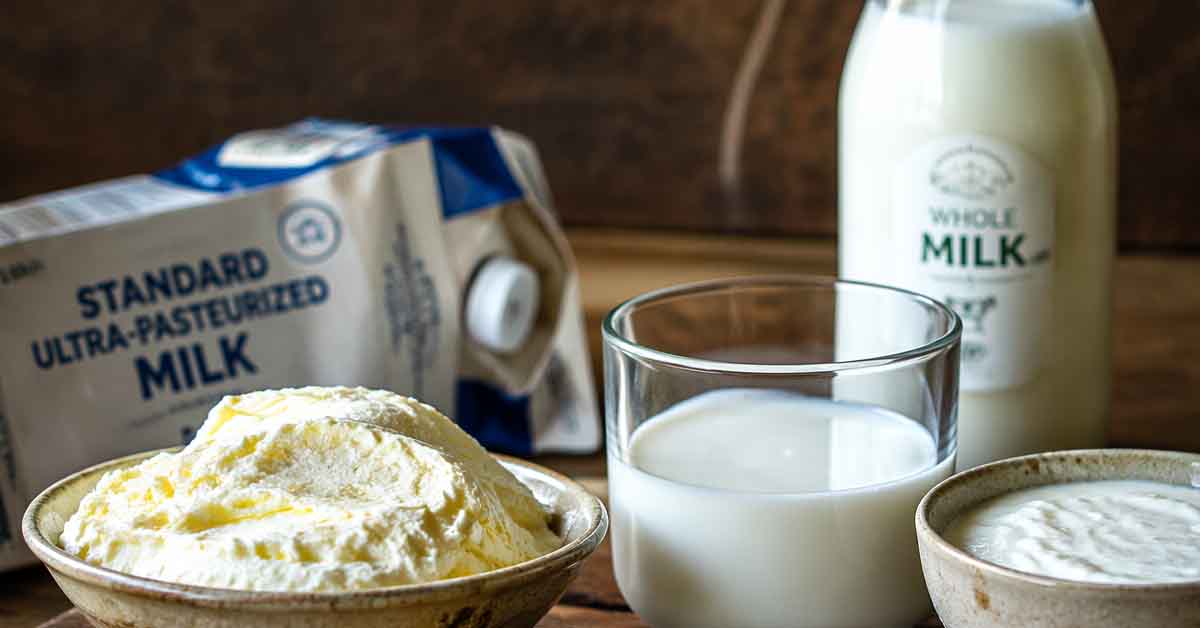
Yes, it can. Every glass of milk adds lactose, and lactose counts toward your daily carbohydrate total.
One glass will not pull most people out of ketosis on its own. Several glasses spread across the day add up fast and can make staying in ketosis harder.
Butter, ghee, and heavy cream fit a ketogenic or strict carnivore plan more easily, because they carry far less lactose per serving.
What to eat for calcium if you skip milk
Cutting milk does not mean cutting calcium. Several carnivore-friendly foods carry strong calcium content without the lactose.
3.1 Canned sardines or salmon with the bones, which supply calcium directly from the soft bone. 3.2 Hard cheese, which carries far less lactose per serving than milk. 3.3 Bone broth, made from simmered bones and connective tissue. 3.4 Eggshell powder, ground fine and stirred into food or water. 3.5 Organ meat, which supports overall mineral intake alongside calcium-rich foods.
The 14-day milk test
Skip the online debates and test your own body instead.
Week 1: Keep your current diet unchanged. Record your weight, waist measurement, hunger level, energy, and digestion each day.
Week 2: Remove milk, ice cream, and any sweetened dairy drink. Keep meat, eggs, butter, and water the same as week 1.
Compare your notes at the end of week 2. A clear shift in weight, energy, or digestion tells you more than any forum thread ever could.
Quick answers
Does milk break a strict carnivore diet?
Milk does not disqualify you from carnivore by definition, since it comes from an animal. Most strict, zero-carb, and Lion Diet followers still remove it during elimination phases, because its lactose content works against a zero-carb goal.
What milk has the least lactose?
Lactose-free milk and hard aged cheese carry the least lactose among common dairy choices. Butter, ghee, and heavy cream carry almost none, since most lactose stays in the liquid left behind during churning.
Is raw milk safer than pasteurized milk on carnivore?
No. Raw milk carries a higher food-safety risk than pasteurized milk, because it skips the heating step that reduces harmful bacteria. Both contain a nearly identical amount of lactose.
Can I drink milk and still build muscle on carnivore?
Yes. Milk supplies protein, calcium, and extra calories that support muscle growth and workout recovery, which is why many athletes on carnivore keep it in their plan.
Does A2 milk help with bloating on carnivore?
A2 milk may ease symptoms tied to A1 beta-casein sensitivity in some people. It will not help true lactose intolerance, since both A1 and A2 milk contain a similar lactose amount.
The bottom line
Milk is an animal product, so it technically fits the carnivore diet. Your goal, your gut, and your own two-week test decide whether it belongs in your kitchen.
Track your results. Adjust from there. Your body gives a better answer than any single rule ever will.
What’s your experience with milk on carnivore? Share your results in the comments below.
Disclaimer:
This article is for educational and informational purposes only and should not be considered medical advice, diagnosis, or treatment. The carnivore diet and the role of milk and other dairy products may affect people differently depending on their health status, medical history, activity level, and individual tolerance. Scientific evidence on some topics discussed, including raw milk, A1 vs. A2 milk, and long-term carnivore eating patterns, is still evolving. Always consult a qualified healthcare professional or registered dietitian before making significant dietary changes, especially if you are pregnant, breastfeeding, have diabetes, kidney disease, food allergies, lactose intolerance, or any other medical condition. The experiences and examples mentioned in this article are intended to illustrate individual responses and should not be interpreted as guaranteed results.
Article Sources
5. Epidemiology of Cow’s Milk Allergy
7. The evolution of the human trophic level during the Pleistocene
8. The protective effect of farm milk consumption on childhood asthma and atopy: The GABRIELA study
10. The Ratio of Ascorbic Acid, Riboflavin and Thiamine in Raw and Pasteurized Milk
11. Antioxidant status and odour profile in fresh beef from pasture or grain-fed cattle
12. Anti-inflammatory effects of conjugated linoleic acid on young athletic males