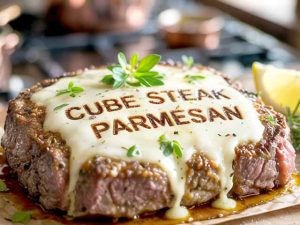


Did you know 70% of home grillers overcook their steaks? You buy a beautiful rib eye. You fire up the grill. But the result is tough and gray. Do not worry. This guide fixes that forever. We will turn your gas grill into a steakhouse powerhouse. Learning how to grill rib eye steaks on a gas grill should be simple.
The rib eye is the king of steaks. It is rich, juicy, and full of flavor. Because of its beautiful marbling, it is forgiving. A gas grill gives you amazing control. You can create the perfect sear and the perfect cook. This guide gives you that control. We will walk through every step together. You will learn how to choose, season, grill, and rest your steak. The result will be a restaurant-quality meal in your own backyard.
What is So Special About a Rib Eye Steak?
The rib eye steak comes from the rib section of the cow. This muscle does not work hard. That makes the steak incredibly tender. But the real magic is the marbling. Marbling is the white flecks of fat inside the red meat.
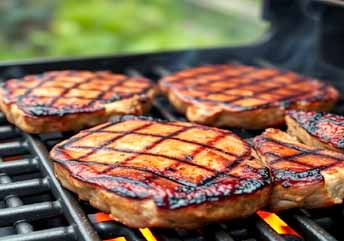
When you grill a rib eye, that fat slowly melts. It bastes the steak from the inside out. This creates an unbeatable juicy and flavorful experience. A gas grill is perfect for this. Its direct, consistent heat renders the fat beautifully. You get a crispy, seared crust and a moist, tender inside.
Top 3 Reasons the Rib Eye is a Grilling Champion:
-
Superior Marbling: Internal fat means more flavor and juiciness.
-
Natural Tenderness: Comes from a less-used muscle along the cow’s back.
-
Rich Beefy Flavor: The fat carries a deep, savory taste that other cuts lack.
How Do You Pick the Perfect Rib Eye Steak for Grilling?
Your journey to a great steak starts at the store. Choosing the right cut is your first important step. Look for three key things.
Thickness Matters Most
For grilling, thickness is your best friend. A thin steak will cook too fast. It is hard to get a good sear without overcooking. Choose a steak that is at least 1 inch thick. Ideally, aim for 1.5 inches. A thick steak gives you time to develop a dark crust. The inside will still be a perfect medium-rare.
Look for Even Marbling
Remember, marbling is good. Look for fine white lines of fat running through the meat. Avoid large, solid chunks of fat. You want the fat to be evenly distributed. This is a sign of a high-quality steak.
The USDA Prime grade has the most marbling. But a well-marbled Choice grade steak is also excellent.
Color and Texture
The meat should be a bright, cherry-red color. It should feel firm to the touch. The surface should be moist, but not sticky or slimy. If the steak is in a vacuum pack, it may look darker purple. That is normal. It will turn red again once it meets the air.
What is the Best Way to Season a Rib Eye Steak?
Seasoning a rib eye is simple. You do not need to hide its flavor. You just need to enhance it. The goal is to create a delicious crust.
The Simple Champion: Salt and Pepper
For most experts, coarse kosher salt and freshly ground black pepper are enough. Salt brings out the steak’s natural flavor. Pepper adds a slight spice. Be generous. You want a good coating on all sides. The salt also helps draw moisture to the surface. This leads to a better sear.
When to Season: The Key Debate
-
Right Before Grilling: This is good and simple. It prevents the salt from drawing out too much moisture.
-
At Least 40 Minutes Before (or the Day Before): This is the pro move. Salting well ahead of time gives the salt time to penetrate the meat. It seasons the steak from the inside and helps the surface dry out for an incredible crust.
What About Marinades and Rubs?
A rib eye is so flavorful it does not need a marinade. A dry rub can be fun, however. Try adding garlic powder, onion powder, or a little smoked paprika. Avoid wet marinades with sugar. They will burn on the hot grill before the steak is cooked.
Table: Rib Eye Seasoning Options
| Seasoning Type | Best For | Pro Tip |
|---|---|---|
| Kosher Salt & Black Pepper | Purists who love beef flavor. | Season heavily 40 minutes before grilling. |
| Garlic-Herb Dry Rub | Adding extra aroma and flavor. | Mix with salt and pepper; apply just before grilling. |
| Wet Marinade | Less tender cuts, not rib eye. | Avoid on rib eye to prevent burning and mask flavor. |
How Do You Set Up a Gas Grill for the Perfect Rib Eye?
This is the most important step. A proper grill setup is the difference between good and great. You need two heat zones.
Preheating is Non-Negotiable
Turn all the burners on high. Close the lid. Let the grill heat up for 10-15 minutes. You want it screaming hot. A hot grill is essential for searing. It locks in the juices and creates those beautiful grill marks. Aim for 450-500°F (230-260°C).
Creating Two Cooking Zones
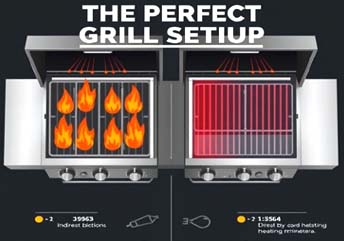
After preheating, you will create two zones:
-
Direct Heat Zone: Leave one burner on high. This is where you will sear the steak.
-
Indirect Heat Zone: Turn the other burner(s) off. This is a cooler area where the steak will finish cooking without burning.
This two-zone method gives you total control. You sear over the hot zone. Then you move the steak to the cool zone to cook through gently.
What is the Step-by-Step Guide to Grilling the Steak?
Follow these steps exactly. You will get a perfect steak every single time.
Step 1: Pat the Steak Dry
Right before grilling, use a paper towel to pat the steak dry. A dry surface sears much better than a wet one. This is the secret to a dark, crispy crust.
Step 2: Sear Over Direct Heat
Place the steak directly over the hot burner. Close the lid. Grill for 2-3 minutes without moving it. You want a dark brown sear. Then, flip the steak. Close the lid again. Sear for another 2-3 minutes.
Step 3: Move to Indirect Heat to Finish
After searing both sides, move the steak to the cool side of the grill. This is the indirect heat zone. Close the lid. The grill will act like an oven. The steak will cook through gently.
Step 4: Check the Temperature for Doneness
Guesswork leads to overcooking. Use a digital instant-read meat thermometer. It is your best friend.
Here is a simple temperature guide for doneness:
-
Rare: 120-125°F (49-52°C) – Very red, cool center.
-
Medium-Rare: 130-135°F (54-57°C) – Warm red center; this is the recommended doneness for rib eye.
-
Medium: 140-145°F (60-63°C) – Warm pink center.
-
Well-Done: 160°F+ (71°C+) – Little or no pink; we do not recommend this for rib eye.
Insert the thermometer into the side of the steak, into the thickest part. Avoid touching the bone or fat.
Step 5: The Most Important Step – Rest the Steak
When the steak is 5°F below your target temperature, take it off the grill. Why? It keeps cooking from residual heat. Place it on a cutting board or plate.
Let it rest for 5-10 minutes. This allows the juices to spread evenly throughout the meat. If you cut it too soon, the juices will spill out. Resting makes the steak incredibly juicy.
What Are the Common Mistakes to Avoid?
Even small errors can change your result. Avoid these common pitfalls.
Mistake 1: Grilling a Cold Steak
Do not put a cold steak on the grill. Take the steak out of the fridge. Let it sit on the counter for 30-40 minutes. This brings it to room temperature. It will cook more evenly.
Mistake 2: Poking the Steak Too Much
Leave the steak alone! Do not press it with a spatula. Do not poke it with a fork. You will lose precious juices. Use tongs to flip it only once.
Mistake 3: Not Using a Thermometer
Do not guess. Do not cut into the steak to check. This lets all the juices escape. A thermometer is a small investment for a perfect result every time.
Mistake 4: Skipping the Rest
You worked hard for those juices. Let them settle back into the meat. Resting is not optional. It is essential.
How Should You Serve the Grilled Rib Eye?
After resting, it is time to enjoy your masterpiece. Slice the steak against the grain. This means cut perpendicular to the long muscle fibers. It makes each bite more tender.
Serve it with classic sides. Grilled asparagus, a baked potato, or a fresh salad are perfect. The rich flavor of the rib eye pairs well with simple, hearty foods.
Frequently Asked Questions (FAQs)
-
How long do you grill a 1-inch rib eye steak?
For a 1-inch thick rib eye, sear for 2-3 minutes per side over direct heat. Then, move to indirect heat. Cook for another 3-5 minutes for medium-rare. Always use a thermometer for the best results.
-
Should you close the grill lid when cooking steak?
Yes, close the lid! This is especially important on a gas grill. Closing the lid creates an oven-like environment. It cooks the steak evenly from all sides. It also helps prevent flare-ups.
-
How do you get good grill marks on a steak?
Preheat your grill until it is very hot. Place the steak on the clean grates at a 10 o’clock angle. After a few minutes, lift and turn it to a 2 o’clock angle. Flip and repeat. This creates the classic crosshatch pattern.
-
Why did my rib eye steak turn out tough?
The most common reason is overcooking. A well-done rib eye will be much tougher than a medium-rare one. Another reason is not slicing against the grain. Always cut perpendicular to the muscle fibers.
-
What do you do if there is a flare-up?
If flames flare up, move the steak to the indirect heat zone immediately. Close the lid. The lack of oxygen will calm the flames. Never spray water on a gas grill flare-up.
Video Tutorials : How to Grill Rib Eye Steaks on a Gas Grill
Grilling a perfect rib eye steak on a gas grill can be a game-changer for any home cook. Whether you’re a beginner or a seasoned grilling enthusiast, mastering the technique of cooking a juicy, tender rib eye steak is within reach. You can check out the two videos below for a more in-depth, visual guide to grilling rib eye steaks on a gas grill!
First Video
Second Video
Final Summary and Call to Action
Grilling the perfect rib eye on a gas grill is easy with the right method. Remember the key steps: choose a thick, well-marbled steak. Season it well. Set up your grill with two heat zones. Sear hot and fast. Finish gently with indirect heat. Always use a thermometer. And most importantly, let your steak rest.
Now you have the knowledge. You are the expert. Fire up that grill and taste the difference. Your perfect steak is waiting.
What’s your favorite way to enjoy a rib eye? Do you have any grilling tips? Share your stories and questions in the comments below!
Sources Cited:
-
“The Food Lab’s Complete Guide to Grilling a Perfect Rib Eye Steak on a Gas Grill”
https://www.seriouseats.com/food-lab-complete-guide-gas-grill-rib-eye-steak - “Gas-Grilled Rib Eye Steak | Our Tested Method for a Perfect Sear”
https://www.americastestkitchen.com/recipes/gas-grilled-rib-eye-steak - “How to Grill a Rib Eye Steak That’s Even Better Than a Steakhouse’s”
https://www.bonappetit.com/story/how-to-grill-rib-eye-steak-gas-grill - “Easy Grilled Rib Eye Steak Recipe for a Gas BBQ”
https://www.bbcgoodfood.com/recipes/easy-gas-bbq-rib-eye-steak - “Weber’s Official Guide to Grilling the Perfect Rib Eye”
https://www.weber.com/uk/en/grilling-guide/beef/grill-perfect-rib-eye-steak/
-
USDA Safe Minimum Internal Temperature Chart.
-
Meat Science Publications, Texas A&M University, on marbling and tenderness.
-
The Food Lab: Better Home Cooking Through Science by J. Kenji López-Alt (Fundamental cooking principles).