


Usually, a large boiled egg calories somehow are around 70–78, along with 6–7 grams of high-quality protein and no added fat. Because boiling eggs does not require oil or butter, boiled eggs provide the most accurate and consistent calorie count of all egg cooking methods.
Boiled Egg Nutrition at a Glance
-
🥚 1 large boiled egg: 70–78 calories
-
💪 Protein: 6–7 grams
-
❌ No added oil or butter
-
📊 Most reliable egg calorie reference
-
🥗 Ideal for weight loss, meal prep, and clean eating
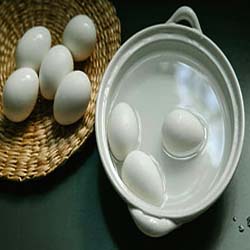
Why Boiled Eggs Matter More Than You Think
When people search for egg calories, they usually don’t realize something important:
Boiled eggs are the standard reference.
Most nutrition labels, calorie databases, and dietary guidelines use boiled eggs as the baseline when listing egg calories. That’s because boiling doesn’t add fat, doesn’t change portion size, and produces consistent results every time.
This makes boiled eggs the control group for understanding egg nutrition — and the foundation for comparing fried, scrambled, or omelet-style eggs.
Calories in a Boiled Egg (By Size)
Boiled egg calories vary slightly based on egg size, not cooking time.
Calories & Protein in Boiled Eggs by Size
| Egg Size | Calories | Protein |
|---|---|---|
| Small boiled egg | ~54 | ~4.5 g |
| Medium boiled egg | ~63 | ~5.5 g |
| Large boiled egg | ~70–78 | ~6–7 g |
| Extra-large boiled egg | ~80 | ~7 g |
| Jumbo boiled egg | ~90 | ~8 g |
Most calorie references assume a large egg, which is why “70 calories per egg” is commonly quoted.
Calories in Multiple Boiled Eggs
People rarely eat just one egg. Here’s how calories add up when eating more.
Boiled Egg Calories by Quantity (Large Eggs)
| Number of Eggs | Calories | Protein |
|---|---|---|
| 1 boiled egg | ~70–78 | ~6–7 g |
| 2 boiled eggs | ~140–156 | ~12–14 g |
| 3 boiled eggs | ~210–234 | ~18–21 g |
| 4 boiled eggs | ~280–312 | ~24–28 g |
For deeper breakdowns, see:
-
Calories in 2 Eggs
-
Calories in 3 Eggs
-
Calories in 4 Eggs
Why Boiled Eggs Have the Most Accurate Calories
Boiled eggs are considered the most reliable option because:
-
No oil or butter is added
-
No absorption of cooking fat
-
No ingredient variation
By comparison:
-
Fried eggs absorb oil
-
Scrambled eggs vary by milk, butter, or cheese
-
Omelets depend heavily on fillings
That’s why boiled eggs are used as the nutritional benchmark.
Boiled Egg Protein Content
Boiled eggs are one of the most efficient protein sources available.
A single large boiled egg provides:
-
6–7 grams of complete protein
-
All 9 essential amino acids
-
High bioavailability (your body absorbs it well)
This makes boiled eggs a staple in:
-
Weight-loss diets
-
High-protein meal plans
-
Body recomposition programs
-
Simple meal prep routines
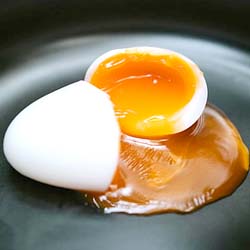
How Many Calories Are in a Boiled Egg White vs Whole Boiled Egg?
Many people tracking calories wonder whether the yolk makes a big difference. A large boiled egg white contains only about 15–20 calories, while the yolk accounts for roughly 55–60 calories. The yolk contains most of the egg’s fat and micronutrients, while the white is almost pure protein. Whole boiled eggs are more filling, while egg whites are commonly chosen for low-calorie or protein-focused diets.
Boiled Egg Nutrition Facts (Beyond Calories)
Calories are only part of the story. Boiled eggs are nutrient-dense.
A boiled egg contains:
-
Vitamin B12 (energy and brain function)
-
Choline (brain and liver health)
-
Selenium (immune support)
-
Vitamin D (bone health)
-
Healthy fats from the yolk
Most of these nutrients are found in the yolk, which is why whole eggs are generally more nutritious than egg whites alone.
Do Boiled Eggs Lose Nutrients When Cooked?
Boiling eggs causes minimal nutrient loss. In fact, cooking eggs can improve protein absorption compared to raw eggs. While small amounts of heat-sensitive vitamins may decrease slightly, boiled eggs retain most of their nutritional value and remain one of the most reliable and nutrient-dense protein sources available.
Are Boiled Eggs Healthy?
For most people, yes.
Boiled eggs are:
-
Filling
-
Affordable
-
Easy to portion
-
Low in calories relative to protein
Despite past concerns about cholesterol, modern research shows that dietary cholesterol from eggs has little effect on blood cholesterol in most individuals. Overall diet quality matters far more than egg consumption alone.
Are Boiled Eggs Better Than Fried or Scrambled Eggs for Calories?
From a calorie perspective, boiled eggs are usually the best choice. Fried eggs often absorb oil or butter, increasing calories, while scrambled eggs vary depending on added ingredients. Boiled eggs contain only the calories of the egg itself, making them ideal for calorie tracking, weight loss, and consistent nutrition.
Boiled Eggs vs Other Cooking Methods (Calorie Comparison)
| Cooking Method | Calories (1 Large Egg) |
|---|---|
| Boiled egg | ~70–78 |
| Poached egg | ~70–78 |
| Fried egg (light oil) | ~90–100 |
| Fried egg (heavy oil) | 120–150+ |
| Scrambled egg (plain) | ~80 |
| Scrambled egg (with butter/milk) | 100–140+ |
For full breakdowns, see:
-
Fried Egg Calories & Nutrition
-
Scrambled Eggs Calories & Nutrition
-
Poached Egg Calories & Nutrition
Boiled Eggs for Weight Loss
Boiled eggs work well for fat loss because they:
-
Are low in calories
-
Are high in protein
-
Increase fullness
-
Help control appetite
This is why boiled eggs are common in calorie-deficit diets, intermittent fasting plans, and high-protein breakfasts.
Hard-Boiled vs Soft-Boiled: Is There a Difference?
Nutritionally, there is no meaningful difference.
Calories, protein, and nutrients remain nearly identical. The difference is texture, not nutrition.
Common Questions About Boiled Eggs
How many calories are in one boiled egg?
A large boiled egg contains about 70–78 calories.
Is a boiled egg healthier than a fried egg?
Yes. Boiled eggs contain no added fat, while fried eggs usually absorb oil or butter.
Can I eat boiled eggs every day?
Most people can safely eat boiled eggs daily as part of a balanced diet.
Related Egg Nutrition Guides
-
Egg Nutrition Guide: Calories, Protein & Cooking Methods
-
Calories in 2 Eggs
-
Calories in 3 Eggs
-
Egg Whites Only Calories
-
Poached Egg Calories
Final Takeaway
If you want the cleanest, most reliable egg calorie count, boiled eggs are the gold standard.
- No added fat.
- No guesswork.
- Just simple, high-quality nutrition.
References & Sources
-
USDA FoodData Central
Provides official nutrition data for eggs, including calories, protein, and micronutrients by size and preparation method.
https://fdc.nal.usda.gov -
Egg Nutrition Center (ENC)
Science-backed information on egg nutrition, protein quality, cholesterol research, and health benefits.
https://www.eggnutritioncenter.org -
Harvard T.H. Chan School of Public Health – Eggs and Health
Evidence-based analysis of eggs, dietary cholesterol, and overall health impact.
https://www.hsph.harvard.edu/nutritionsource/food-features/egg -
Healthline – Egg Nutrition Facts
Medically reviewed summaries explaining egg calories, protein, cooking effects, and nutrient retention.
https://www.healthline.com/nutrition/eggs
Disclaimer
This article is provided for informational and educational purposes only and does not constitute medical, nutritional, or dietary advice. Calorie and nutrient values are approximate and may vary based on egg size, cooking method, and individual dietary needs.
Always consult a qualified healthcare professional, registered dietitian, or nutritionist before making significant changes to your diet, especially if you have underlying health conditions, food allergies, or specific nutritional requirements.
