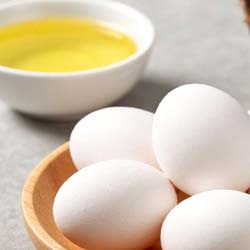


Calories in 5 eggs total approximately 350–400, depending on the specific size of the eggs used. Using standard large eggs, 5 eggs provide about 360 calories, based on USDA nutrient data. These calories come primarily from protein and natural fats, making five eggs a high-protein, high-satiety meal often used for serious muscle building or performance-based nutrition.

Calories in 5 Eggs (Quick Facts)
-
5 large eggs: ~360 calories
-
Egg size greatly affects totals
-
Boiled or poached eggs add no calories
-
High protein and fat density
-
Best suited for high-calorie or active diets
Why People Search for “Calories in 5 Eggs”
At five eggs, calorie intake becomes intentional and strategic.
Typically, this query comes from:
-
Individuals in a calorie surplus
-
Physically demanding lifestyles
-
Athletes or manual laborers
-
People eating one large meal per day
Therefore, this search isn’t about casual tracking. Instead, it’s about knowing whether this portion fits within daily calorie limits. Consequently, accuracy and context are essential.
Calories in 5 Eggs by Size (USDA Reference)
Because egg calories scale directly with weight, size choice has a major impact at five eggs.
| Egg Size | Calories per Egg | Calories in 5 Eggs |
|---|---|---|
| Small | ~54 | ~270 calories |
| Medium | ~63 | ~315 calories |
| Large | ~72 | ~360 calories |
| Extra-Large | ~80 | ~400 calories |
| Jumbo | ~90 | ~450 calories |
Why this matters:
Choosing jumbo eggs instead of large eggs can add nearly 100 extra calories at this portion size. Therefore, size awareness becomes non-negotiable.
📌 Primary source: USDA FoodData Central — Egg, whole, raw, fresh
Macronutrient Breakdown: What 5 Eggs Deliver
Five eggs represent a substantial nutritional load.
Approximate macros (5 large eggs):
-
Protein: ~30–31 g → ~120–124 calories
-
Fat: ~25 g → ~225 calories
-
Carbohydrates: ~2 g → ~8 calories
As a result, the majority of calories come from fat and protein — both of which slow digestion and extend fullness. Moreover, this macronutrient ratio supports stable energy rather than rapid blood sugar swings.
According to Harvard T.H. Chan School of Public Health, meals rich in protein and healthy fats tend to improve satiety and reduce unnecessary snacking later.
Whole Eggs vs Egg Whites at 5 Eggs
At this intake level, many people consider removing yolks. However, the nutritional trade-off becomes more significant.
| Portion | Calories | Nutrition Impact |
|---|---|---|
| 5 egg whites | ~85–100 calories | Lean protein |
| 5 yolks | ~275–300 calories | Fats + micronutrients |
| 5 whole eggs | ~360 calories | Complete nutrition |
Although egg whites drastically lower calories, whole eggs provide:
-
Choline (brain and liver health)
-
Vitamins A, D, E, and B12
-
Essential fatty acids
Therefore, unless calorie restriction is strict, whole eggs remain nutritionally superior, as emphasized in guidance from Mayo Clinic.
Does Cooking Method Change Calories in 5 Eggs?
The principle remains unchanged — added fats increase calories.
Calories by cooking method (5 large eggs):
| Cooking Method | Calories |
|---|---|
| Raw | ~360 |
| Boiled | ~360–375 |
| Poached | ~360 |
| Dry-fried (non-stick) | ~375–420 |
| Fried with oil/butter | Higher (fat-dependent) |
Key insight:
While boiling preserves calorie integrity, frying introduces variability. Consequently, one tablespoon of oil can raise a five-egg meal beyond 480 calories.
Mayo Clinic repeatedly stresses this distinction in calorie-conscious cooking guidance.
Are 5 Eggs High in Calories?
That depends entirely on daily calorie targets.
Let’s compare:
-
5 large eggs: ~360 calories
-
Protein shake with milk & peanut butter: ~500–600 calories
-
Fast-food breakfast platter: ~700+ calories
-
Cheeseburger meal: ~800+ calories
Therefore, five eggs sit in a moderate-to-high calorie range, but they remain nutritionally efficient compared to processed alternatives.
When Eating 5 Eggs Makes Sense
Five eggs are not an everyday portion for everyone. However, they can be appropriate in certain contexts:
-
Bulking phases
-
Physically demanding jobs
-
Endurance or strength training days
-
Low-carb or keto-style diets
According to protein intake research summarized by the NIH, higher-protein meals support muscle maintenance when energy expenditure is elevated. Consequently, five eggs often function as a core protein anchor, not the entire meal.
Calories in 5 Eggs Within Real Meals
Calories increase rapidly depending on pairings.
| Meal Example | Calories from Eggs |
|---|---|
| 5 boiled eggs | ~360 |
| 5 eggs + vegetables | ~360 + veggies |
| 5 eggs + toast | ~360 + bread |
| 5 eggs fried in oil | ~360 + oil calories |
Once again, eggs themselves are rarely excessive. Instead, added fats and refined carbohydrates determine whether the meal becomes calorie-heavy.
Common Mistakes with 5-Egg Portions
At higher intakes, small errors multiply:
-
Not accounting for egg size
However, extra-large eggs are common. -
Free-pouring cooking oils
Meanwhile, fats add calories quickly. -
Avoiding eggs unnecessarily
Consequently, people replace them with less filling foods. -
Ignoring micronutrient value
As a result, calorie decisions lose nutritional context.
People Also Ask
How many calories are in 5 large eggs?
Five large eggs contain approximately 360 calories, according to USDA nutrient data.
Is eating 5 eggs too many calories?
For sedentary individuals, it may be high. However, for active or bulking individuals, it can fit well.
Are 5 eggs good for muscle gain?
Yes. Five eggs provide high-quality protein, fats, and micronutrients useful for calorie surplus diets.
Should I remove yolks when eating 5 eggs?
Only if calorie restriction is strict. Otherwise, whole eggs offer better nutritional value.
Authoritative References
-
USDA FoodData Central — Egg, whole, raw, fresh
https://fdc.nal.usda.gov -
Harvard T.H. Chan School of Public Health — Eggs and health
https://www.hsph.harvard.edu -
Mayo Clinic — Eggs, fat, and nutrition
https://www.mayoclinic.org -
NIH / National Library of Medicine — Protein intake and energy balance
https://www.ncbi.nlm.nih.gov
What This Means for You
Five eggs typically provide around 360 calories when using large eggs. However, egg size, cooking method, and added fats can dramatically raise totals. Therefore, five eggs are best viewed as a high-satiety, high-efficiency calorie source, not an indulgence.