

Table of Contents
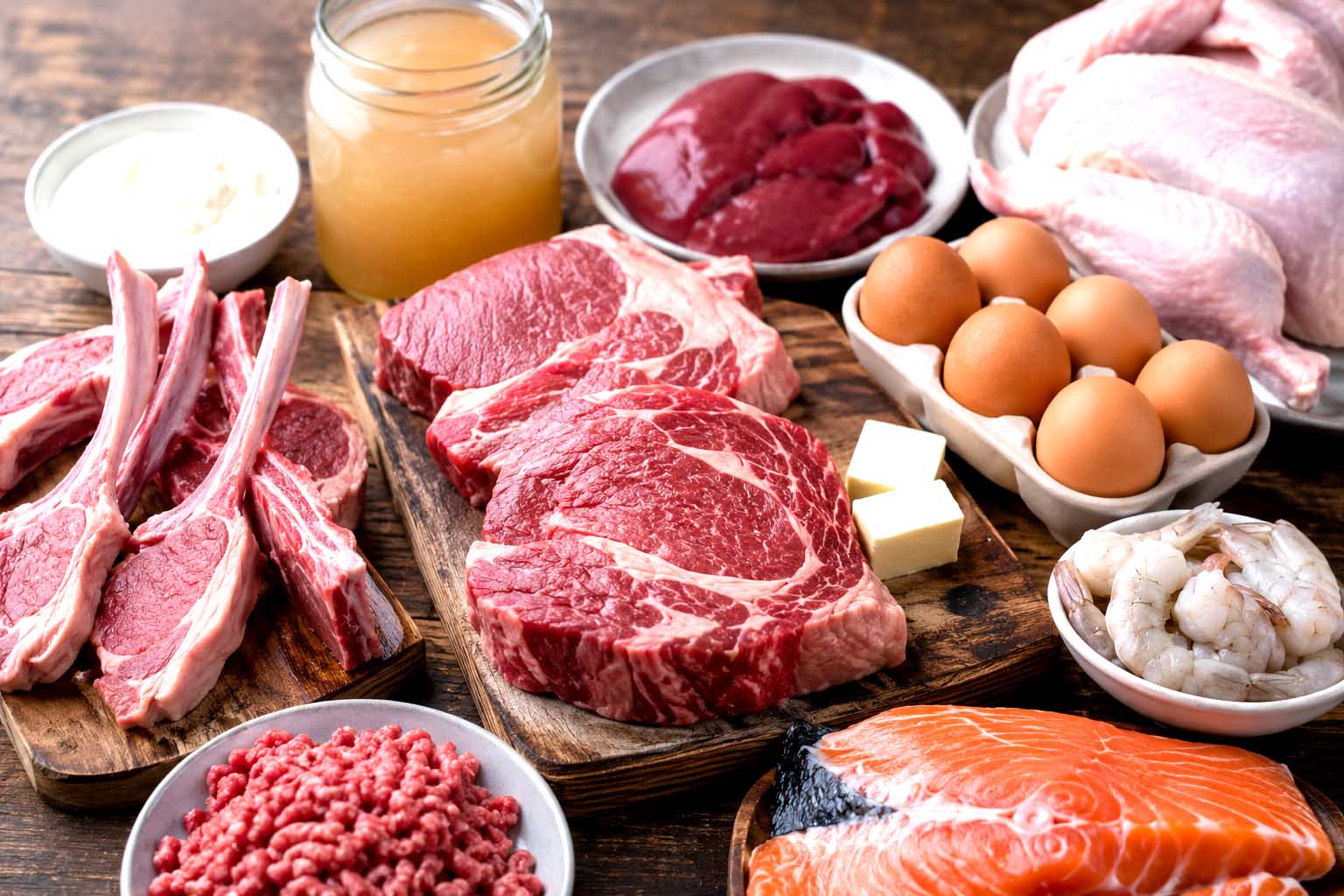
A carnivore diet food list includes animal-based foods such as beef, lamb, pork, poultry, fish, seafood, eggs, organ meats, animal fats, optional dairy, and bone broth. It excludes vegetables, fruits, grains, legumes, nuts, seeds, plant oils, and most processed foods.
Choosing nutrient-dense animal foods while eating enough healthy fat helps many people stay satisfied and meet their nutritional needs.
Complete Carnivore Diet Food List
The following food groups form the foundation of a well-planned carnivore diet. Rotating different animal foods throughout the week can improve meal variety while helping you obtain a broader range of nutrients.
Beef: The Foundation of Most Carnivore Diets
If someone asks me to recommend only one food for a carnivore diet, I usually suggest beef. It offers an excellent balance of complete protein, healthy fats, iron, zinc, vitamin B12, selenium, phosphorus, and many other nutrients that support daily nutrition.
Another advantage is variety. Beef comes in many different cuts, so meals rarely become boring.
Popular Beef Cuts
- Ribeye
- Sirloin
- New York Strip
- Porterhouse
- T-Bone
- Tenderloin
- Filet Mignon
- Chuck Roast
- Brisket
- Short Ribs
- Flank Steak
- Skirt Steak
- Tri-Tip
- Flat Iron Steak
- Ground Beef
- Beef Shank
- Oxtail
Best Beef for Beginners
Many newcomers think they need expensive steaks every day. That simply is not true.
In my experience, 80/20 ground beef offers one of the best combinations of nutrition, affordability, and convenience. It provides plenty of protein and fat while working well in burgers, meatballs, skillets, casseroles, and meal prep.
If your budget allows, rotating ground beef with ribeye, sirloin, chuck roast, brisket, and short ribs adds more variety throughout the week.
Grass-Fed vs. Grain-Fed Beef
People often ask which is better.
Grass-fed beef may contain slightly higher levels of omega-3 fatty acids and certain antioxidants. However, both grass-fed and grain-fed beef provide high-quality protein and important vitamins and minerals.
If grass-fed beef fits your budget, it can be a good choice. If not, conventional beef still provides excellent nutrition.
Practical Buying Tip
Buy larger family packs when they go on sale. Divide them into meal-sized portions before freezing. This simple habit saves money and reduces food waste.
Lamb: Rich Flavor with Excellent Nutrition
Lamb is one of the most nutrient-dense meats available. Although many beginners overlook it, lamb offers excellent protein, healthy fats, iron, zinc, selenium, phosphorus, and vitamin B12.
Its rich flavor also helps prevent food boredom, which is one of the biggest challenges people face during the first months of a carnivore diet.
Popular Lamb Cuts
- Lamb Chops
- Lamb Shoulder
- Leg of Lamb
- Ground Lamb
- Lamb Shank
- Lamb Ribs
- Rack of Lamb
- Lamb Neck
Why Include Lamb?
Lamb provides many of the same nutrients found in beef while offering a different taste and texture.
Rotating lamb with beef keeps meals more enjoyable and may increase dietary variety over time.
Many people also appreciate that lamb naturally contains healthy fats, making it filling and satisfying.
Buying Advice
Choose fresh cuts with good marbling whenever possible. Shoulder and shank are usually more affordable than premium chops while remaining excellent choices for slow cooking.
Pork: Affordable, Versatile, and Full of Flavor
Pork adds flexibility to a carnivore diet. It includes both lean and fatty cuts, making it easy to adjust meals according to your energy needs.
Many families also find pork to be one of the most affordable protein sources available.
Popular Pork Choices
- Pork Belly
- Pork Chops
- Pork Shoulder
- Pork Loin
- Bacon
- Ham
- Pork Ribs
- Ground Pork
- Sausage
- Pork Rinds
Choosing Better Pork Products
Fresh pork usually requires little attention beyond selecting quality cuts.
Processed products such as bacon, sausage, and ham deserve a closer look.
Whenever possible, choose products with simple ingredient lists and little or no added sugar, starches, or unnecessary fillers.
Is Bacon Allowed?
Yes. Bacon is one of the most popular carnivore foods.
However, quality matters.
Look for bacon made from pork, salt, and simple seasonings instead of products filled with added sugars and preservatives.
A Helpful Budget Tip
Pork shoulder is one of my favorite recommendations for beginners. It is affordable, flavorful, and perfect for batch cooking. One roast can provide several meals throughout the week while helping reduce food costs.
Fish & Seafood
If you ask, “Can you eat fish on a carnivore diet?” the answer is yes. In fact, fish and seafood deserve a regular place on a well-balanced carnivore diet food list. While beef remains the foundation for many people, seafood adds nutrients that are harder to get from red meat alone. I often recommend rotating different animal foods instead of eating the same meal every day. This simple habit keeps meals interesting and improves nutritional variety without making the diet complicated.
Fatty fish are especially valuable because they provide omega-3 fatty acids, which support normal brain, heart, and eye function. Shellfish contribute minerals that many people overlook, including iodine, zinc, selenium, and copper. These nutrients support thyroid health, immunity, metabolism, and overall wellness. Choosing a variety of seafood also helps create a more complete nutrient profile across the week.
Some of the best seafood choices include:
- Salmon
- Sardines
- Mackerel
- Herring
- Trout
- Tuna
- Cod
- Anchovies
- Shrimp
- Crab
- Lobster
- Oysters
- Mussels
- Clams
- Scallops
Why Fatty Fish Matter
Fatty fish provide both high-quality protein and healthy fats. Salmon, mackerel, herring, and sardines naturally contain large amounts of omega-3 fats, making them excellent choices for people who eat mostly beef and pork. These fish also supply vitamin D, vitamin B12, selenium, and other important nutrients.
If possible, choose wild-caught fish when it fits your budget. However, high-quality farm-raised fish can also be a practical option.
Shellfish Add Powerful Nutrition
Shellfish may look small, but they deliver impressive nutrition. Oysters are among the richest natural sources of zinc. Mussels, clams, and shrimp provide protein, iron, selenium, and vitamin B12 while adding variety to your meals. Including shellfish occasionally can help fill nutritional gaps that may develop from eating only one type of meat.
How Often Should You Eat Seafood?
A practical goal is to include fish and seafood two to three times each week. This simple rotation increases dietary diversity without changing the principles of a carnivore lifestyle. Many long-term carnivore followers report that mixing beef, lamb, poultry, eggs, and seafood keeps meals satisfying while reducing food fatigue.
Best Cooking Methods
Keep preparation simple to preserve flavor and nutrition.
- Grill salmon or trout.
- Pan-sear cod in butter or beef tallow.
- Bake mackerel with salt.
- Steam crab or lobster.
- Pan-cook shrimp in butter.
- Enjoy canned sardines or anchovies for a quick meal.
Avoid breading, sugary marinades, and seed-oil coatings if you follow a strict carnivore approach.
Budget-Friendly Seafood Choices
Seafood does not have to be expensive. Several affordable options offer outstanding nutrition.
- Canned sardines
- Canned salmon
- Frozen mackerel
- Frozen shrimp
- Frozen cod
- Canned tuna (eat in moderation because of mercury)
Buying frozen seafood often reduces cost while maintaining nutritional quality.
Quick Expert Tip
If your meals mainly include ground beef and steak, adding one or two seafood meals each week is one of the easiest ways to improve nutrient variety. It requires very little extra planning and helps build a more complete carnivore diet food list without making the diet more complicated.
What Is a Carnivore Diet Food List?
A carnivore diet food list is a simple guide that focuses on foods that come from animals. Instead of building meals around vegetables, grains, or processed foods, you choose meat, fish, eggs, healthy animal fats, and other animal products.
Many people enjoy this approach because it removes the guesswork from eating. Rather than counting calories or tracking long ingredient lists, you simply learn which foods belong on your plate.
Although every person follows the diet differently, most carnivore meal plans include:
- Red meat
- Poultry
- Fish and seafood
- Eggs
- Organ meats
- Animal fats
- Bone broth
- Optional dairy for those who tolerate it
Foods made from plants are generally excluded. This means vegetables, fruits, grains, beans, nuts, seeds, and plant oils are usually avoided.
The focus is on nutrient-dense foods that naturally provide complete protein, healthy fats, iron, zinc, vitamin B12, selenium, choline, and many other essential nutrients.
Who May Benefit from a Carnivore Diet?
People choose the carnivore diet for different reasons. Some want a simpler way to eat. Others hope to reduce highly processed foods or follow an elimination approach under medical guidance.
Common reasons people explore the carnivore diet include:
- Reducing processed foods
- Increasing protein intake
- Feeling fuller between meals
- Simplifying meal planning
- Supporting strength training
- Following a low-carbohydrate lifestyle
Many people also appreciate that meals are straightforward. Instead of preparing several side dishes, they often build meals around one or two high-quality animal foods.
Is milk allowed on a carnivore diet?
- Milk is an animal food.
- Most strict carnivore eaters avoid it because of lactose.
- Whole milk contains about 12 g sugar per cup.
- Relaxed carnivore followers sometimes include it.
Better dairy choices
- Butter
- Ghee
- Heavy cream
- Hard cheese
- Greek yogurt (optional)
- Kefir (optional)
Who should limit milk
- Lactose intolerance
- Dairy allergy
- Weight-loss stalls
- Ketosis
Who Should Use Extra Caution?
The carnivore diet is not the best choice for everyone.
Children, pregnant women, breastfeeding mothers, and people with chronic medical conditions should speak with a qualified healthcare professional before making major dietary changes.
If you have kidney disease, liver disease, or other health concerns, professional guidance becomes even more important.
No single diet works for every person. Your health history, activity level, medications, and nutritional needs all matter when choosing an eating pattern.
Reviewed by Dr. Evelyn Karen, M.D., Ph.D., Certified Dietitian