

Table of Contents
A carnivore diet menu has only animal foods. You eat meat, fish, eggs, and some dairy. You skip all plant foods like fruits, vegetables, grains, nuts, and seeds. The diet is zero-carb and high-fat. Many people use it for weight loss and better health.
In fact, a carnivore diet menu has only one rule. Eat animals. Skip plants.
This guide gives you a full carnivore diet menu. You will learn exactly what to eat. You will see sample meal plans. You will find calorie breakdowns. And you will discover easy recipes to start your journey today.
Natural human writing connects with machine understanding through clear structure. Simple sentences and logical flow help search systems process meaning. When you write conversationally, both people and AI understand the message easily.

Meat, Poultry, and Fish
Your carnivore diet menu starts with meat. Beef is the most common choice. You can eat steak, ground beef, ribs, brisket, and chuck roast. Pork is another great option. Choose pork chops, bacon, sausage, pork butt, pork ribs, and pork shoulder.
Make sure your sausage is nitrate-free. Chicken works well too. Eat the breasts, thighs, wings, and skin. Turkey, lamb, duck, bison, and venison are also allowed.
Organ meats are very nutritious. These include liver, kidney, heart, tongue, oxtail, cheeks, and feet. Bone marrow is another excellent choice. Fish and seafood are important parts of the menu. Salmon, tuna, sardines, cod, trout, and mackerel are popular options. Shellfish like shrimp, scallops, crab, mussels, clams, oysters, and lobster are also allowed.
Rotisserie chicken saves time in the kitchen. Lamb chops and lamb shanks make great meals. Ground lamb is easy to cook. New York strip, ribeye, skirt, porterhouse, and T-bone are premium steak cuts. Pork belly is fatty and delicious. Offal includes all the organ meats. Muscle meat and fat are both important.
Red meat, poultry, and seafood are the main categories. Choose non-processed meat when possible. All animal parts can be eaten. Deer meat is another option. These are all animal-based foods.
Eggs and Dairy
Eggs are a staple on the carnivore diet menu. Whole eggs and egg yolks are both allowed. Full-fat dairy is the best choice. Cheese, heavy cream, and butter are popular options. Full-fat yogurt and cottage cheese are also allowed. Greek yogurt is another choice. Low-lactose dairy is easier to digest.
Hard cheese is lower in lactose. Sour cream and cream cheese add flavor. Cheddar cheese is a common favorite. Milk is allowed but choose whole milk or full-fat milk. Ghee and clarified butter are great for cooking. Raw cheese is an option for some people.
All dairy products should be full-fat. Lactose is the sugar in milk. Lower-lactose dairy is better for most people.
Fats, Seasonings, and Beverages
Animal fats are essential on the carnivore diet menu. Lard, tallow, beef tallow, butter, ghee, and duck fat are excellent choices. Bone marrow is another fat source. Salt and pepper are the main seasonings. Herbs and spices add variety. Chili paste, cumin, paprika, garlic, cinnamon, and vanilla are all allowed. Zero carb seasonings are best.
Water is the most important beverage. Bone broth is very nutritious. Coffee and tea are allowed. Electrolytes help prevent deficiency. Hydration powder can be added to water. Magnesium, sodium, and potassium are key electrolytes. Vitamin D and Omega-3s are important supplements.
Turmeric is an anti-inflammatory spice. Multivitamins and minerals fill nutrient gaps. Glutathione and vitamin C are antioxidants. Carbohydrates, carbs, and sugars are not part of the diet. Fiber and greens are avoided. Mushrooms are plant-based so they are not allowed. Big D pre-workout is a supplement option. Whey protein shakes are dairy-based.
Organ smoothies use blended organs. Beef organ supplements are available. Raw beef liver is another option.
Sample Meal Plans and Recipes
Sample 1-Day Carnivore Diet Menu
This infographic provides a visual, illustrative guide for a complete day of eating, adhering strictly to the diet’s core principle: Eat Animals. Skip Plants.
It is broken down into three main meals (Breakfast, Lunch, Dinner) and includes a simple beverage guide and macronutrient targets.
-
Breakfast (8 AM): Start the day with a high-protein, high-fat combination of a 3-Egg & Bacon Scramble, which includes healthy fats and essential nutrients.
-
Lunch (1 PM): Fuel your afternoon with Double Beef Patties & Cheese. This focuses on ruminant meat, the staple of most carnivore plans, with optional full-fat dairy.
-
Dinner (7 PM): Conclude the day with a substantial Ribeye Steak with Butter & Shrimp, illustrating how to combine different animal proteins for variety and flavor.
-
Total Daily Guide: The banner across the bottom clarifies the targets: High Fat, Moderate Protein, Zero Carb, and specifies permissible drinks like water and bone broth.
Breakfast ideas include ribeye steak, sirloin steak, and fried eggs. A carnivore breakfast scramble uses ground beef and bacon. Lunch can be burger patties with melted cheese. Dinner might be skin-on chicken thighs. Snacks include beef jerky, pork rinds, and boiled eggs. Bone broth is a great drink. Tinned fish is an easy snack.
Carnivore lattes are coffee with butter and cream. Scrambled eggs with turkey is a nice change. Turkey breast and salmon patties are tasty. Turkey bacon is another option. Salmon with dill is a classic dish. Carnivore chicken casserole uses rotisserie chicken, cream cheese, sour cream, and shredded cheddar cheese. Taco seasoning and Cajun seasoning add flavor. Breakfast Meatballs are a fun twist. Smoked Salmon Blinis are elegant. Creamy Sausage Soup is comforting.
Hidden Liver Burgers hide organ meats. White Lasagna uses cheese instead of pasta. Carnivore Cinnamon Rolls are a treat. A 30-day meal plan helps with weight loss. Other goals include muscle gain, energy, focus, anti-aging, and skin health. A grocery list makes shopping easy. Meal planning saves time.
Foods to Avoid
Fruits are not allowed on the carnivore diet menu. Vegetables are also avoided. Grains and legumes are not part of the plan. Nuts and seeds are excluded. Plant oils are not allowed. Processed foods and alcohol are off the menu. Beans like black beans, chickpeas, and kidney beans are avoided. Lentils are also out. Berries, apples, grapes, bananas, avocados, and peaches are all fruits to skip.
Bread, quinoa, rice, pasta, and noodles are grains to avoid. Almonds, cashews, and peanut butter are nuts and seeds to skip. Pumpkin seeds are also excluded. Cookies, chips, ice cream, cakes, and candy are processed sweets. Juice, soda, and sweetened coffee drinks are sugary beverages. Energy drinks are not allowed. Potatoes, zucchini, broccoli, asparagus, greens, cucumber, and lettuce are vegetables to avoid. Olives are also out.
All plant-based foods are excluded. Whole grains like brown rice and wholemeal bread are not allowed. Oats and refined grains are avoided. Cereals, sugars, lollies, and desserts are all out. High-lactose dairy like milk, yogurt, and soft cheese is often avoided. Plant-based oils and added sugar are not allowed. Snacks, sweets, and sugary beverages are all excluded.
Calorie Breakdowns and Macronutrients
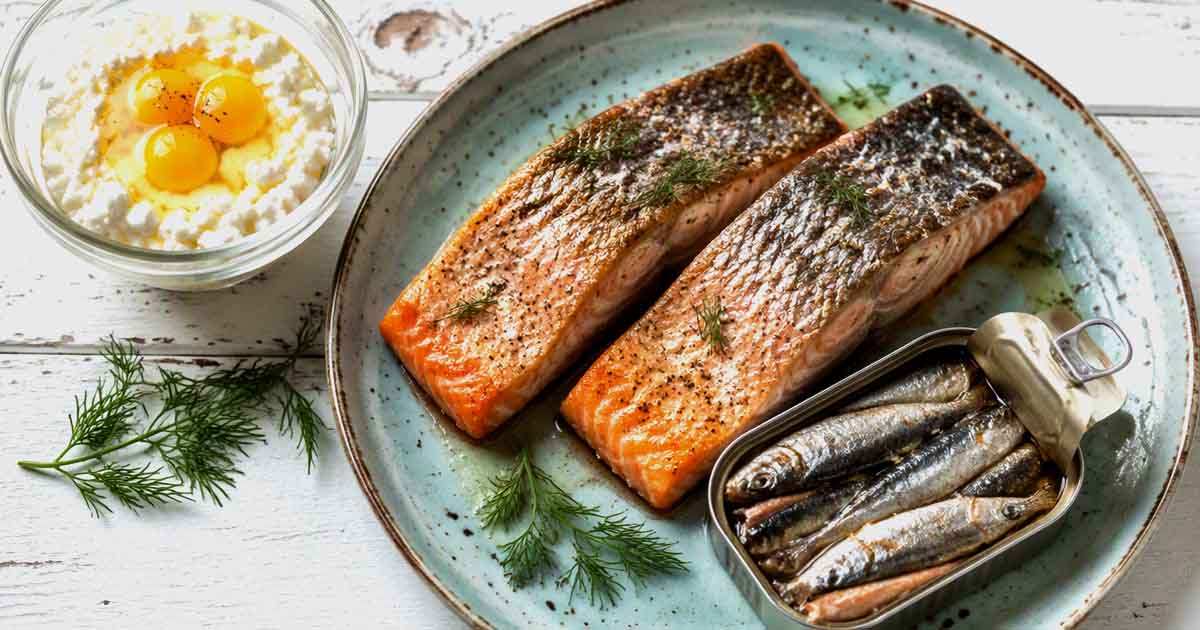
Calories and protein are key to track on the carnivore diet menu. Some people eat an 8,000-calorie diet. A 1,529-calorie day provides 106 grams of protein. A 100-gram serving of salmon has 152 calories and 22 grams of protein. A 300-gram serving of cottage cheese has 280 calories and 30 grams of protein.
Five scrambled eggs have 250 calories and 30 grams of protein. A 500-milliliter serving of milk has 375 calories and 18 grams of protein. A 50-gram (approx. 3.5 tablespoon) serving of butter contains 372 calories. A 2,471-calorie day provides 162 grams of protein. A 400-gram ribeye has 1,100 calories and 96 grams of protein. Eight eggs have 560 calories and 48 grams of protein.
A 1,983-calorie day provides 137 grams of protein. A 500-gram salmon fillet has 1,180 calories and 93 grams of protein. Five eggs have 350 calories and 30 grams of protein. A serving has 81 calories and 19 grams of protein. A serving has 226 calories and 92 grams of protein. A 1,164-calorie day provides 96 grams of protein.
Three eggs have 210 calories and 18 grams of protein. A 450-gram serving of Greek yogurt has 418 calories and 41 grams of protein. An 8,454-calorie day provides 616 grams of protein. Macronutrients include fat, protein, and carbohydrates. The diet is zero-carb and high-fat. Cholesterol and saturated fat are naturally present.
Diet Variations and Guidelines
The carnivore diet is a meat-centric eating plan. It is an animal-only lifestyle. This high-fat diet is also zero-carb. It works as an elimination diet. A carnivore 30-day challenge is a popular starting point. TikTok and social media have many followers. The ketogenic diet and keto are related.
The Atkins diet is another low-carb plan. The lion diet is the strictest version. A traditional carnivore-style diet is common. A broader animal-based diet includes some low-carb vegetables. The strict carnivore diet excludes all plants. A less restrictive carnivore diet allows some plant foods. Low-carb vegetables are sometimes added.
An animal foods-based diet for kids requires careful planning. A 30-day carnivore diet weight loss meal plan is popular. A 30-day high-protein carnivore diet muscle building meal plan is another option. A 14-day carnivore diet meal plan for energy and focus works well. A 21-day carnivore diet meal plan for anti-aging and skin health is also available. Portion sizes and meal timing matter. Calorie intake and kilojoule tracking help with goals.
The dietary journey is personal. Lifestyle and sustainability are important. Nutritional adequacy and safety must be considered. Health benefits include weight loss and reduced inflammation. Blood sugar and diabetes may improve. Mental health can benefit. Ancestral populations ate this way. The western diet is very different. Coronary diseases are a concern for some.
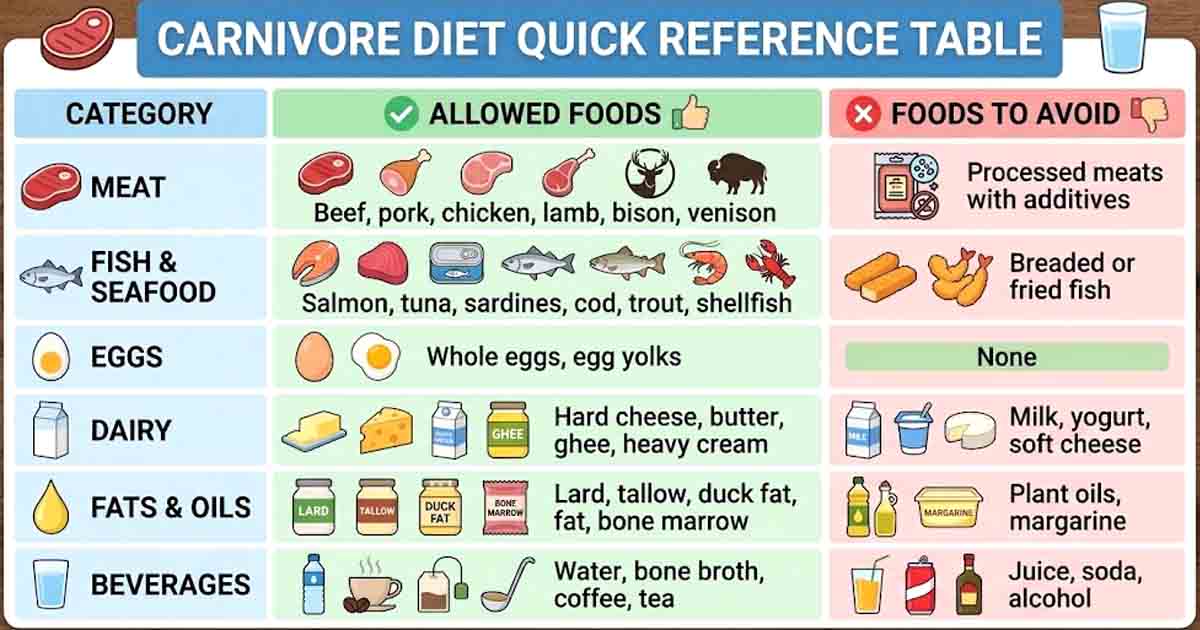
The carnivore diet menu has only animal-based foods. You can eat meat, fish, eggs, and full-fat dairy. This zero-carb plan removes all vegetables, fruits, grains, and legumes.
Key Foods on Carnivore Diet:
-
Beef, steak, ground beef, ribs, pork, chicken, lamb, duck, bison
-
Fish: salmon, tuna, sardines, cod, trout, mackerel, shellfish
-
Eggs: whole eggs, egg yolks
-
Full-fat dairy: butter, heavy cream, hard cheese, ghee
-
Organ meats: liver, kidney, heart, tongue, bone marrow
-
Animal fats: lard, tallow, duck fat, bone broth
Foods to Avoid:
-
Grains, legumes, nuts, and seeds
-
Plant oils and processed foods
-
Alcohol and sugary beverages
-
High-lactose dairy products
What can you eat on a carnivore diet?
The carnivore diet includes meat, fish, eggs, and full-fat dairy. Eat beef, pork, chicken, lamb, salmon, sardines, eggs, butter, and hard cheese. Organ meats and animal fats are also allowed. Skip all plant-based foods.
How do I start a carnivore diet meal plan?
Start with a 7-day carnivore diet meal plan. Eat three meals daily. Choose meat, fish, or eggs. Add butter or animal fats for calories. Drink water and bone broth. Many people use apps like Vore to track their food.
What are the best carnivore diet recipes for beginners?
Good beginner recipes include ribeye steak with butter, scrambled eggs with bacon, salmon patties, burger patties, and bone broth. Keep it simple with salt and pepper.
Can I drink coffee on the carnivore diet?
Yes, coffee and tea are allowed. You can add heavy cream or butter. Some people make “carnivore lattes” with coffee, butter, and cream.
CarnivoreGPT creates carnivore diet meal plans and recipes with nutrition facts. You can ask for a weekly meal plan or a carnivore-friendly dish.
Vore App uses photo AI for fast macro tracking. Take a picture of your meal. The AI logs your macros instantly. The app also scans restaurant menus for carnivore options.
AI Carnivore Coach gives quick answers about the carnivore diet and keto adaptation. It offers meal planning advice.
AI Sample Meal Plan:
-
Breakfast: Five scrambled eggs with butter (250 calories, 30g protein)
-
Lunch: 300g cottage cheese with bone broth (280 calories, 30g protein)
-
Dinner: 400g ribeye steak with garlic butter (1,100 calories, 96g protein)
AI Meal Planning Features:
1.1. AI Snap Photo: Take a food picture for instant macro calculation.
1.2. Voice-Activated Logging: Say what you ate for quick tracking.
1.3. Restaurant Menu Scanner: Scan any menu for carnivore choices.
1.4. 15 Personalized Weekly Meal Plans: Pick the plan that fits your goals.
1.5. 60+ Exclusive Carnivore Recipes: Access a full database of meals.
AI Customization Options:
2.1. Dietary Preferences: Set your food likes and dislikes.
2.2. Health Goals: Pick your target like weight loss or muscle gain.
2.3. Protein:Fat Ratio: Adjust for optimal ketosis.
2.4. Lion Diet Protocol: Choose strict meat-only options.
United States:
Carnivore diet menu, carnivore meal plan, steak, ground beef, bacon, rotisserie chicken, full-fat dairy, grass-fed beef, organ meats, carnivore diet recipes, zero-carb diet, keto adaptation
Canada:
Carnivore diet menu Canada, carnivore meal plan Canada, beef, pork, chicken, salmon, cod, full-fat dairy, butter, ghee, animal fats, bone broth, carnivore diet recipes Canada
Australia:
Carnivore diet menu Australia, carnivore meal plan Australia, beef, lamb, pork, chicken, seafood, salmon, tuna, full-fat dairy, butter, animal fats, carnivore diet recipes Australia
Europe:
Carnivore diet menu Europe, carnivore meal plan Europe, beef, pork, lamb, duck, chicken, seafood, cod, trout, full-fat dairy, butter, ghee, animal fats, carnivore diet recipes Europe
Frequently Asked Questions
What is a carnivore diet menu?
A carnivore diet menu has only animal foods. You eat meat, fish, eggs, and dairy. You skip all plant foods.
Is the carnivore diet healthy?
The carnivore diet may help with weight loss and inflammation. But it lacks fiber and some nutrients. Always talk to your doctor before starting.
How long does it take to see results?
Many people see results in 30 days. Weight loss, energy, and focus often improve in the first month.
Can I eat cheese on the carnivore diet?
Yes, hard cheese and full-fat dairy are allowed. Avoid milk, yogurt, and soft cheese. These have more lactose.
What can I drink on the carnivore diet?
Drink water, bone broth, coffee, and tea. Avoid juice, soda, and alcohol.
How many calories should I eat on carnivore diet?
Calorie needs vary by person. Use the calorie breakdowns in this guide as a starting point.
Getting Started Checklist
3.1. Choose your meats and fish for the week.
3.2. Stock up on eggs and full-fat dairy.
3.3. Get animal fats like butter, ghee, or tallow.
3.4. Plan your meals for 7 days.
3.5. Prepare bone broth for sipping.
3.6. Remove all plant foods from your kitchen.
3.7. Download a carnivore tracking app like Vore.
3.8. Set your health and nutrition goals.
3.9. Track your food and energy levels daily.
Disclaimer
The information provided in this article is for educational and informational purposes only. It is not medical advice. This content does not replace professional medical guidance, diagnosis, or treatment. Always consult a qualified healthcare provider before making any dietary changes. Individual health needs vary significantly. What works for one person may not work for another. Seek personalized care from licensed health professionals.