

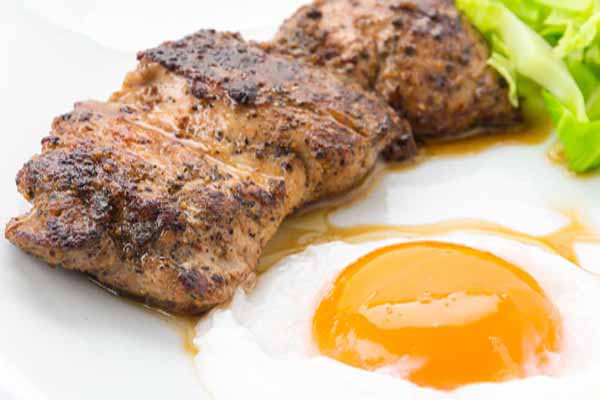
You might think the steak and egg diet is just some crazy fad or only for a tiny, super-extreme group. But hold on a second. For folks who are really serious about their fitness, like top athletes and bodybuilders, this simple eating plan has a surprisingly clear purpose. It delivers amazing results.

Before You Begin:
The steak and egg diet shows efficacy for short-term body recomposition but requires medical supervision. Consult your healthcare provider and complete baseline testing before starting. New 2025 research emphasizes individual genetic variations in saturated fat response.
What 2025 Science Reveals
The steak and egg diet has evolved from a bodybuilding secret to a scientifically-studied nutritional protocol. Recent research from the National Institutes of Health shows promising results for short-term body recomposition, but also highlights critical safety considerations.
2025 Update: Genetic testing is now recommended before starting, as individual responses to high saturated fat diets vary significantly based on APOE gene variants.
How It Works: The Science Behind the Protocol
Metabolic Supercharge
When you eliminate carbohydrates, your body undergoes a significant metabolic shift. Within 48-72 hours, you enter nutritional ketosis – a state where your body burns fat for fuel instead of glucose.
Scientific Evidence:
-
Protein-Induced Thermogenesis: Your body uses 20-30% more energy digesting protein compared to 5-10% for carbs/fats (PubMed Central)
-
Ketogenic Adaptation: Enhanced fatty acid oxidation occurs through PPAR-α activation (Nature Metabolism)
-
Muscle Preservation: High protein intake prevents muscle loss during calorie restriction (Journal of the International Society of Sports Nutrition)
The Satiety Advantage
The combination of high protein and fat creates powerful satiety signals. Studies show that participants naturally consume fewer calories without conscious restriction because steak and eggs are incredibly filling.
Medical Safety First: 2025 Protocols
Pre-Implementation Checklist
Mandatory Steps Before Starting:
-
Medical Clearance:
-
Schedule a physical with your healthcare provider
-
-
Baseline Blood Work:
-
Comprehensive metabolic panel
-
Lipid profile (including particle size)
-
Kidney function tests
-
Fasting glucose and insulin
-
-
Genetic Testing:
-
APOE variant analysis (Genetics Home Reference)
-
Who Should Avoid This Diet
Absolute Contraindications:
-
Chronic kidney disease (stage 3+)
-
Active gallbladder disease
-
Pregnancy or breastfeeding
-
APOE ε4 homozygous genotype
Requires Specialist Supervision:
-
Diabetes (type 1 or 2)
-
History of heart disease
-
Hypertension
-
Thyroid disorders

The 2025 Implementation Framework
Global Cost Analysis & Shopping Guide
United States:
-
Weekly Cost: $85-150
-
Best Value Cuts: Chuck roast, bottom round, ground beef
-
Egg Sources: Pasture-raised when possible
United Kingdom:
-
Weekly Cost: £70-110
-
Best Value Cuts: Braising steak, skirt, mince
-
Egg Sources: Free-range or organic
Canada:
-
Weekly Cost: CAD 95-140
-
Best Value Cuts: Blade roast, cross-rib, ground beef
-
Egg Sources: Omega-3 enriched
Australia:
-
Weekly Cost: AUD 110-160
-
Best Value Cuts: Gravy beef, oyster blade, mince
-
Egg Sources: Free-range
Daily Protocol Structure
Sample Day for 180lb Athlete:
-
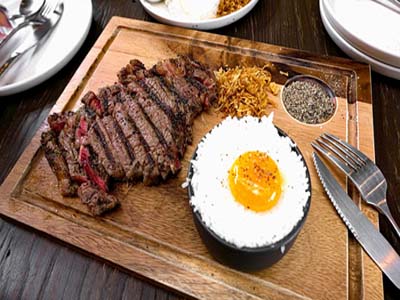
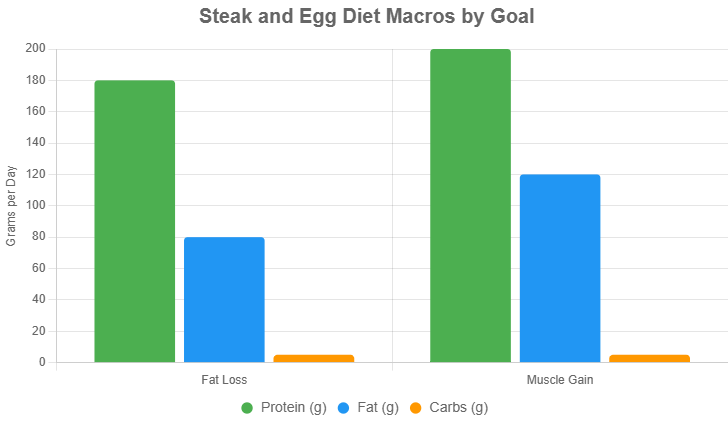
Breakfast: 4 eggs + 6oz steak
-
Lunch: 8oz steak + bone broth
-
Dinner: 6oz steak + 3 eggs
-
Hydration: 3-4L electrolyte water
Preparation Tips:
-
Cook in batches twice weekly
-
Use varied cooking methods (grill, pan-sear, roast)
-
Include organ meats 1-2x weekly for nutrient diversity
Electrolyte Management: Preventing “Keto Flu”
The most common mistake is neglecting electrolyte balance. When you cut carbs, your body flushes water and electrolytes.
Daily Electrolyte Protocol:
-
Sodium: 5-7g from bone broth and high-quality salt
-
Potassium: 3.5-4g from supplements or avocado (if including)
-
Magnesium: 400mg glycinate before bed
-
Hydration: 3-4L mineral water spread throughout day
Exercise Integration 2025
Training Modification Schedule
Week 1-2: Adaptation Phase
-
Reduce training volume by 30-40%
-
Maintain intensity (weight on bar)
-
Focus on technique and recovery
-
Add 1-2 extra rest days
Week 3-4: Optimization Phase
-
Gradually increase volume
-
Implement strategic glycogen training
-
Monitor recovery closely
-
Consider deload if performance declines
Health Monitoring System
Daily Tracking
-
Energy levels (1-10 scale)
-
Sleep quality and duration
-
Digestive function
-
Mental clarity
-
Training performance
Weekly Assessments
-
Body weight and measurements
-
Resting heart rate
-
Blood pressure
-
Subjective well-being
Laboratory Monitoring Schedule
-
Week 2: Electrolytes, kidney function
-
Week 4: Full metabolic panel, lipid profile
-
Monthly: Comprehensive review with healthcare provider
Women’s Specific Considerations
2025 Research Update: Women may need to modify the protocol based on menstrual cycle phase.
Cycle-Synced Modifications:
-
Follicular Phase: Standard protocol usually well-tolerated
-
Luteal Phase: May need slightly more calories
-
Consider tracking basal body temperature
-
Monitor menstrual cycle changes
“The steak and eggs diet is essentially an early cyclical ketogenic protocol. While effective short-term, it requires supplementation and medical oversight for sustainability.” — Dr. Brandon Roberts, PhD, CSCS
Gironda’s Original Diet vs. Modern Ketogenic/Carnivore Diets:
| Diet | Carbs | Foods Allowed | Benefits | Risks |
|---|---|---|---|---|
| Gironda Steak & Eggs | Near-zero + refeed | Steak, eggs | Rapid fat loss, simplicity | Fiber deficiency, nutrient gaps |
| Ketogenic | 20–50g/day | Meat, eggs, nuts, avocados | Energy stability, fat oxidation | Electrolyte imbalance |
| Carnivore | Zero | All animal products | Reduced inflammation | Long-term nutrient gaps |
Common Challenges & Solutions
Digestive Adaptation
Problem: Constipation or digestive changes
Solution:
-
Increase water intake to 4L daily
-
Consider magnesium citrate supplementation
-
Ensure adequate salt intake
-
Temporary digestive enzyme support
Social Situations
Problem: Dining out or social events
Solution:
-
Eat before attending events
-
Research restaurant menus in advance
-
Bring your own food when appropriate
-
Have a polite explanation ready
Food Boredom
Problem: Monotony from limited food choices
Solution:
-
Vary cooking methods (grill, pan-sear, slow-cook)
-
Experiment with different herb combinations
-
Try various steak cuts
-
Rotate egg preparation styles
Transition Strategy: Exiting the Protocol Safely
The Most Critical Phase Often Overlooked
7-Day Reintroduction Protocol
1-2 Day : Add low-carb vegetables (spinach, broccoli, cauliflower)
3-4 Day : Include healthy fats (avocado, olive oil, nuts)
5-7 Day: Reintroduce complex carbs (sweet potato, quinoa, oats)
Long-term Maintenance
-
Continue protein emphasis
-
Maintain whole foods focus
-
Regular laboratory monitoring
-
Sustainable exercise routine
2025 Digital Health Tools
Recommended Applications:
-
Nutrigenomics: 23andMe for genetic insights
-
Metabolic Tracking: Cronometer for nutrient analysis
-
Health Monitoring: Apple Health or Google Fit integration
-
Professional Support: Telemedicine platforms for ongoing supervision
Success Story Framework
Before Starting:
-
Current weight: ______
-
Body fat %: ______
-
Energy levels: ______
-
Performance metrics: ______
After 4 Weeks:
-
Weight change: ______
-
Body fat change: ______
-
Energy improvement: ______
-
Performance changes: ______
Key Learnings:
-
What worked well: ______
-
Challenges faced: ______
-
Adjustments made: ______
-
Future plans: ______
Frequently Asked Questions (2025 Update)
1. What is the steak and egg diet and how does it work?
The steak and egg diet is a high-protein, very low-carbohydrate eating protocol that puts your body into ketosis, where it burns fat for fuel instead of carbohydrates. This metabolic state promotes rapid fat loss while preserving muscle mass through ample protein intake.
2. How much weight can you lose on the steak and egg diet in 2 weeks?
Most people lose 5-10 pounds in the first two weeks, with the initial rapid loss primarily being water weight as glycogen stores deplete. Actual fat loss typically ranges from 2-4 pounds per week when the diet is properly followed.
3. What are the best steak cuts for the steak and egg diet on a budget?
Opt for chuck roast, bottom round, or blade steak as they provide excellent protein content at lower costs. These tougher cuts become tender when cooked properly and offer the same nutritional benefits as premium cuts.
4. Can you eat anything besides steak and eggs on this diet?
The traditional protocol focuses strictly on steak and eggs, though some variations allow for minimal additions like salt, water, and black pepper. Adding other foods may compromise the metabolic adaptation process.
5. How many eggs and how much steak per day should I eat?
Most adults require 1-2 pounds of steak and 6-12 eggs daily, divided across 2-3 meals. Adjust amounts based on your weight, activity level, and goals, listening to your hunger and energy signals.
6. What are the most common side effects of the steak and egg diet?
Initial side effects often include fatigue, headaches, and digestive changes – commonly called “keto flu.” These typically resolve within 3-7 days as your body adapts to burning fat for fuel.
7. Is the steak and egg diet safe for people with high cholesterol?
Individuals with existing high cholesterol should consult their doctor and undergo baseline testing. Some people experience temporary cholesterol increases, though particle size often improves, which may be more important than total numbers.
8. How do you avoid constipation on the steak and egg diet?
Increase water intake to 3-4 liters daily, ensure adequate salt consumption, and consider magnesium supplementation. These measures typically resolve any digestive slowdown within the first week.
9. Can women follow the steak and egg diet safely?
Yes, but women may need to modify based on their menstrual cycle and monitor hormonal responses closely. Some women benefit from slightly more calories during the luteal phase of their cycle.
10. What is the typical daily menu on the steak and egg diet?
A standard day includes 2-3 meals of steak and eggs, such as 4 eggs with 6oz steak for breakfast, 8oz steak for lunch, and 6oz steak with 3 eggs for dinner, adjusted based on individual calorie needs.

11. How long should you stay on the steak and egg diet?
Most people follow the diet for 2-6 weeks, with 4 weeks being the average effective duration. Longer implementation requires medical supervision and comprehensive laboratory monitoring.
12. Do you need supplements on the steak and egg diet?
Essential supplements include electrolytes (sodium, potassium, magnesium) and possibly vitamin D. Other supplements should be based on individual needs and laboratory testing results.
13. Can you build muscle on the steak and egg diet?
While primarily used for fat loss, the high protein intake can support muscle maintenance. For optimal muscle growth, a calorie surplus is typically needed, which may require adjusting steak and egg quantities upward.
14. What drinks are allowed on the steak and egg diet?
Permitted beverages include water, black coffee, and unsweetened tea. Bone broth is particularly beneficial for electrolytes. All sugary drinks, milk, and alcohol are excluded.
15. How does the steak and egg diet compare to keto?
The steak and egg diet is a more restrictive form of keto, eliminating all plant foods and dairy. While both promote ketosis, the steak and egg diet offers simplicity but less dietary variety.
16. What is the grocery list for the steak and egg diet?
Your shopping list should include various steak cuts, eggs, high-quality salt, and optionally bone broth. Choose grass-fed beef and pasture-raised eggs when possible for better nutrient profiles.
17. How do you manage social situations on the steak and egg diet?
Plan ahead by eating before events, research restaurant menus, or offer to bring a dish to share. Most social occasions can be navigated with preparation and clear communication about your dietary needs.
18. What does a 7-day meal plan look like?
A weekly plan involves rotating different steak cuts and egg preparations to prevent boredom. Example: Monday-ribeye with scrambled eggs, Tuesday-flank steak with fried eggs, continuing with variety throughout the week.
19. How do you transition off the steak and egg diet?
Reintroduce foods gradually over 7-10 days, starting with low-carb vegetables, then healthy fats, followed by complex carbohydrates. This careful approach helps prevent rapid weight regain and digestive issues.
20. What are the long-term effects of the steak and egg diet?
While effective for short-term goals, long-term adherence may lead to nutrient deficiencies due to food restriction. Most experts recommend cycling the diet with periods of more varied, nutrient-dense eating patterns.
Emergency Protocols
Stop Immediately If You Experience:
-
Chest pain or palpitations
-
Severe headache or visual changes
-
Persistent nausea or vomiting
-
Significant performance decline
-
Mental fog that doesn’t resolve
A Tool, Not a Solution
The steak and egg diet represents a powerful short-term intervention for specific body composition goals. However, it’s not a sustainable long-term solution for most people.
2025 Key Takeaways:
-
Medical supervision is non-negotiable
-
Individual responses vary significantly
-
Proper transition is crucial for lasting results
-
This is one tool in your nutritional toolkit
The most successful approaches combine short-term intensive protocols with long-term sustainable habits. Use this protocol strategically, monitor carefully, and transition wisely.
Disclaimer:
This content represents educational information, not medical advice. Individual results vary. Always consult healthcare providers before making dietary changes, especially with pre-existing conditions. Regular medical monitoring is essential during this protocol. The authors and publishers are not responsible for adverse effects from implementation of this information.
Sure! Here are 50 article titles with their direct links related to the ketogenic diet and thyroid hormonal status:
- Obesity and Obesity-Related Thyroid Dysfunction: Any Potential Role for the Very Low-Calorie Ketogenic Diet (VLCKD)?
- How Does Keto Affect Thyroid Health? – Keto Therapeutics
- Could the ketogenic diet induce a shift in thyroid function and support a metabolic advantage in healthy participants?
- Keto Diet: Impact On Thyroid And Tsh Levels | ShunKeto
- Changes of thyroid hormonal status in patients receiving ketogenic diet due to intractable epilepsy
- Ketogenic Diet And Hormonal Balance: Expert Lists Its Impact On Thyroid And Adrenal Function
- The Effects of Ketogenic Diet on Insulin Sensitivity and Weight Loss