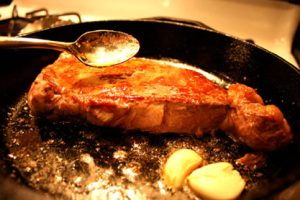

Top 3 Best Cheap Steak Cuts are given below, let’s explore them.
Flat Iron Steak: Incredibly tender with rich flavor
Chuck Eye Steak: “Poor man’s ribeye” with great marbling
Petite Tender: Nearly identical texture to filet mignon
Why these work: These cuts come from lightly-used muscles with fine grain structure, similar to filet mignon. With proper preparation, they deliver 80% of the tenderness at 30% of the cost.
What Makes Filet Mignon So Tender (And How to Replicate It)
Filet mignon comes from the tenderloin, a muscle that does minimal work. Consequently, it has minimal connective tissue and fine muscle fibers. However, you can replicate this tenderness in budget cuts through scientific preparation methods.
The Science of Tenderness:
-
Muscle Activity: Less-used muscles = more tender meat
-
Fat Distribution: Marbling melts during cooking
-
Connective Tissue: Collagen breaks down with proper cooking
-
Fiber Direction: Cutting against the grain shortens fibers
Top 5 Budget Steak Cuts That Rival Expensive Steaks
1. Flat Iron Steak (Top Blade)
Why it works: This cut comes from the shoulder but has excellent marbling and fine texture. Interestingly, it ranks second in tenderness after filet mignon in scientific studies.
Best preparation:
-
Marinate 2-4 hours
-
Cook to medium-rare (130°F)
-
Slice against the visible grain
-
Rest 5-7 minutes before serving
2. Chuck Eye Steak
Why it works: Located next to the ribeye, this cut offers similar marbling at half the price. Therefore, it delivers rich, beefy flavor with good tenderness.
Shopping tip: Look for steaks with visible marbling and bright red color. Typically, you’ll find these near other chuck cuts in your grocery store.
3. Petite Tender (Teres Major)
Why it works: This small muscle from the shoulder mimics filet mignon’s texture almost perfectly. However, it’s often overlooked by home cooks.
Cooking method:
-
Sear in cast iron 3-4 minutes per side
-
Finish in 400°F oven if thicker than 1 inch
-
Internal temperature: 130-135°F for medium-rare
4. Hanger Steak
Why it works: Butchers call this the “butcher’s steak” because they often keep it for themselves. It offers incredible beefy flavor with proper preparation.
Key preparation: Remove the tough membrane running through the center before cooking. Then, marinate overnight for maximum tenderness.
5. Sirloin Flap Meat
Why it works: This cut has great flavor and responds wonderfully to marinades. When sliced properly, it rivals much more expensive steaks.
Pro tip: Look for thick, evenly-sized pieces with good color. Avoid thin or irregularly shaped pieces.
Scientific Tenderizing Methods That Actually Work
Enzymatic Tenderizing
How it works: Natural enzymes break down tough muscle fibers. For example, bromelain (from pineapple) and papain (from papaya) act as natural meat tenderizers.
Method:
-
Use fresh pineapple or papaya puree
-
Marinate 2-4 hours maximum
-
Rinse thoroughly before cooking
-
Never exceed 4 hours (can create mushy texture)
Mechanical Tenderizing
How it works: Physically breaking down muscle fibers and connective tissue. This method works immediately without waiting for marinades.
Techniques:
-
Jaccard meat tenderizer (best results)
-
Meat mallet with diamond pattern
-
Needle-based tenderizers
-
Scoring with sharp knife
Salt-Based Tenderizing
How it works: Salt draws out proteins that then form a gel-like coating when cooked. This results in juicier, more tender meat.
Dry brine method:
-
Apply ½ teaspoon kosher salt per pound
-
Refrigerate uncovered 4-24 hours
-
Pat dry before cooking
-
No additional salt needed
Store-Specific Buying Guide 2025
Walmart Best Buys
-
Shoulder Petite Tender: $5.97/lb
-
Beef Flap Meat: $6.47/lb
-
Blade Steaks: $5.49/lb
Look for: Bright red color, minimal purge in package, even thickness
Costco Value Finds
-
Whole Beef Tenderloin: $12.99/lb (trim yourself)
-
Blade Steaks: $6.99/lb
-
Sirloin Flap: $7.49/lb
Pro tip: Buy whole cuts and portion yourself for maximum savings
Kroger/Regional Chains
-
Ranch Steak: $7.99/lb
-
Sierra Cut: $8.49/lb
-
Chuck Eye: $6.99/lb
Seasonal note: Prices typically drop around major grilling holidays
Cooking Techniques for Perfect Results
The Reverse Sear Method
Why it works: Gentle cooking followed by high-heat searing creates even doneness and perfect crust.
Steps:
-
Pat steak completely dry
-
Season generously with salt and pepper
-
Bake at 275°F until 115°F internal
-
Sear in screaming hot pan 60 seconds per side
-
Rest 5-10 minutes before slicing
Pan Searing Master Technique
For steaks under 1 inch thick:
-
Use cast iron or carbon steel pan
-
Get pan smoking hot before adding steak
-
Don’t move steak for first 90 seconds
-
Flip every 60 seconds until desired doneness
-
Add butter and aromatics last 60 seconds
Grilling Budget Steaks
Key adjustments for leaner cuts:
-
Use medium-high heat instead of high
-
Cook to medium-rare (130-135°F)
-
Brush with oil during cooking
-
Let rest fully before slicing
The Grain Direction Secret
Identifying grain direction:
-
Look for parallel muscle fibers
-
Note the “lines” running through meat
-
Cut perpendicular to these lines
-
Slice thickness: ¼ to ½ inch
Why it matters: Cutting against the grain shortens muscle fibers, making meat significantly more tender. In fact, proper slicing can improve perceived tenderness by up to 40%.
Flavor Enhancement Strategies
Umami Boosters
-
Mushroom powder: Intense savory flavor
-
Soy sauce: Natural tenderizer and flavor enhancer
-
Fish sauce: Adds depth without fishy taste
-
Tomato paste: Concentrated umami
Aromatics and Herbs
-
Fresh garlic: Add during last minute of cooking
-
Rosemary and thyme: Woody herbs stand up to high heat
-
Shallots: Sweeter, more delicate than onions
-
Compound butter: Finish cooked steak with herb butter
Common Mistakes to Avoid
Over-Marinating
Problem: Enzymes break down meat too much
Solution: Limit acidic marinades to 4 hours maximum
Wrong Cooking Temperature
Problem: Lean cuts dry out quickly
Solution: Use thermometer and pull 5 degrees early
Improper Slicing
Problem: Cutting with the grain
Solution: Always identify grain direction before slicing
Skipping Rest Time
Problem: Juices run out immediately
Solution: Rest 5-10 minutes depending on thickness
Expert Q&A: Your Top Steak Questions Answered
Q: What’s the best cheap steak for special occasions?
A: Flat iron steak delivers the most filet mignon-like experience. Its fine grain and good marbling make it perfect for anniversary dinners or date nights.
Q: Can I make cheap steak tender without marinade?
A: Absolutely. Dry brining with salt 4-24 hours before cooking significantly improves tenderness and flavor. Mechanical tenderizing also works immediately.
Q: How do I identify grain direction in steak?
A: Look for the parallel lines running through the meat. Imagine you’re cutting across a bundle of straws – you want to shorten the straws, not slice them lengthwise.
Q: What’s the best pan for cooking budget steaks?
A: Cast iron reigns supreme. Its excellent heat retention creates perfect crust on budget cuts. However, carbon steel offers similar performance with lighter weight.
Q: Why does my cheap steak always taste tough?
A: Three common issues: wrong cut selection, improper cooking temperature, or cutting with the grain. Focus on the cuts we recommend and use a meat thermometer.
Nutritional Comparison: Budget vs Premium Cuts
| Cut | Protein (g/oz) | Fat (g/oz) | Price/lb | Tenderness Score |
|---|---|---|---|---|
| Filet Mignon | 6.5 | 3.5 | $28-35 | 10/10 |
| Flat Iron | 6.3 | 4.2 | $8-12 | 9/10 |
| Chuck Eye | 6.2 | 5.1 | $6-9 | 8/10 |
| Hanger | 6.4 | 3.8 | $9-13 | 7/10 |
Key insight: Budget cuts often contain more flavor-packed fat while delivering similar protein content.
Money-Saving Pro Strategies
Bulk Buying Tips
-
Purchase whole cuts and portion yourself
-
Freeze individual servings
-
Use vacuum sealer for long-term storage
-
Label with date and cut type
Seasonal Shopping
-
Prices drop around holidays
-
Buy extra during sales
-
Build relationships with butchers
-
Ask about “manager’s specials”
Alternative Sources
-
Local butcher shops
-
Farmers markets
-
Meat subscription boxes
-
Restaurant supply stores
Final Pro Recommendations
For maximum tenderness: Flat iron steak with 4-hour enzymatic marinade
For best flavor: Chuck eye steak reverse-seared
And for quick meals: Pre-tenderized sirloin flap
For special occasions: Petite tender with herb crust
Remember: The difference between good and great steak often comes down to preparation, not price. With these techniques, you can enjoy restaurant-quality steak at home on any budget.
Reference:
1. Serious Eats
Blog Address: https://www.seriouseats.com/
Why it’s renowned: Serious Eats is a powerhouse in the food world, known for its scientific approach to cooking (often led by J. Kenji López-Alt). They don’t just give recipes; they explain the why behind them. Their deep-dive articles on techniques like braising, marinating, and reverse-searing are perfect for transforming tough, inexpensive cuts into succulent, restaurant-quality meals.
What to search for on the site: “Skirt steak,” “hanger steak,” “flank steak,” “blade steak,” or “The Food Lab’s Guide to Cheap Cuts of Beef.”
2. AmazingRibs.com
Blog Address: https://amazingribs.com/
Why it’s renowned: While focused on barbecue and grilling, this is one of the most trusted resources for meat science and technique on the internet. “Meathead” Goldwyn and his team test everything meticulously. For cheap steak cuts that are ideal for grilling (like skirt, flap, and sirloin), this site is an absolute goldmine of information on how to maximize flavor and tenderness.
What to search for on the site: “Best cheap steaks for grilling,” “skirt steak,” “beef tri-tip,” or their definitive “Beef Cuts Guide.”
3. The Kitchn
Blog Address: https://www.thekitchn.com/
Why it’s renowned: The Kitchn is a massively popular blog that excels at providing practical, approachable cooking advice for home cooks. They have countless articles, recipes, and “how-to” guides dedicated to budget-friendly cooking, making them a perfect source for learning how to work with and shop for inexpensive steaks.
What to search for on the site: “Cheap steak cuts,” “how to cook flank steak,” “what is chuck eye steak,” or “5 best budget-friendly beef cuts.”
4. Food52
Blog Address: https://food52.com/blog
Why it’s renowned: Food52 blends community-driven content with professional recipes and expert tips. It’s a hub for creative and reliable cooking ideas. Their blog often features articles that celebrate “underdog” ingredients, including lesser-known, affordable cuts of steak, providing innovative recipes and preparation methods you won’t find elsewhere.
What to search for on the site: “Ugly delicious cheap cuts,” “hanger steak recipes,” “how to cook beef bavette,” or “best marinades for tough cuts of meat.”
5. BBC Good Food
Blog Address: https://www.bbcgoodfood.com/
Why it’s renowned: As a staple from the UK’s BBC, this site has a global reputation for trustworthy, well-tested recipes and practical cooking guides. They are particularly good at explaining different cuts of meat (including regional names, which is very helpful) and providing family-friendly, budget-conscious recipes that make the most of affordable options like braising steak and featherblade.
Disclaimer
This content is for educational purposes only. Individual results may vary. Always consult healthcare providers for personalized dietary advice, especially with specific health conditions. Meat should be cooked to safe internal temperatures and handled following USDA food safety guidelines.
Sources: USDA FoodData Central, Journal of Animal Science, Meat Science Journal, American Meat Science Association