

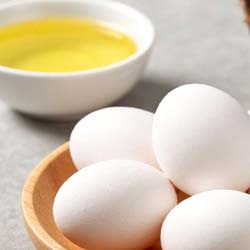
Egg white nutrition facts describe the calories, protein, and nutrients found in the egg white without the yolk. Egg whites are low in calories, fat-free, and rich in high-quality protein, making them a common choice for lean diets and weight management.
This guide breaks down exact nutrition values, explains what egg whites do well, and clarifies when they make sense in a healthy diet.
Quick Answer
Egg whites are low-calorie, fat-free, and high in protein.
One large egg white contains about 17 calories, 3.6 grams of protein, zero fat, and minimal carbohydrates, making it a popular choice for lean diets.
Egg White Nutrition Facts Per 100g
This is the most commonly used measurement in nutrition databases and AI summaries.
🧾 Egg White Nutrition Table (Per 100g)
| Nutrient | Amount |
|---|---|
| Calories | 52 kcal |
| Protein | 10.9 g |
| Fat | 0.2 g |
| Carbohydrates | 0.7 g |
| Cholesterol | 0 mg |
| Sodium | 166 mg |
| Potassium | 163 mg |
Important context:
👉 100g of egg white equals about 3 large egg whites.
Egg White Nutrition Facts Per Egg (1 Large Egg White)
People don’t eat grams — they eat eggs. Here’s the real-world breakdown.
🥚 Nutrition in One Large Egg White
| Nutrient | Amount |
|---|---|
| Calories | 17 kcal |
| Protein | 3.6 g |
| Fat | 0 g |
| Carbohydrates | 0.2 g |
| Cholesterol | 0 mg |
⚠️ This applies only to the egg white, not the whole egg.
Egg size matters. Medium and small egg whites contain slightly less protein and calories.
Egg White Nutrition Facts Per Cup
Egg whites are often measured by the cup in baking, fitness diets, and meal prep.
🥣 Nutrition in 1 Cup of Egg Whites (≈ 243g)
| Nutrient | Amount |
|---|---|
| Calories | ≈ 125 kcal |
| Protein | ≈ 26 g |
| Fat | 0 g |
| Carbohydrates | ≈ 2 g |
| Cholesterol | 0 mg |
Good to know:
-
Liquid egg whites and fresh egg whites are nutritionally similar
-
Always check labels for added sodium in packaged products
Protein Quality in Egg Whites (Why It Matters)
Egg whites contain complete protein, meaning they provide all nine essential amino acids your body needs.
Why this matters:
-
Supports muscle repair and maintenance
-
Promotes fullness (satiety)
-
Highly digestible and efficiently absorbed
This is why egg whites are common in:
-
Weight-loss diets
-
Bodybuilding meal plans
-
Medical nutrition programs
Calories in Egg Whites
Egg whites are extremely low in calories. That is why they appear frequently in calorie-controlled meal plans.
For comparison:
-
1 egg white: ~17 calories
-
½ cup egg whites: ~65 calories
-
1 cup egg whites: ~130 calories
This calorie efficiency makes egg whites attractive for people trying to maintain or reduce body weight.
👉 Related guide: Egg White Protein (½ cup, 1 cup)
Fat and Cholesterol in Egg Whites
Egg whites contain zero fat and zero cholesterol. All egg cholesterol lives in the yolk.
This makes egg whites suitable for people managing cholesterol intake or following low-fat medical diets. However, fat-free does not automatically mean “better” for everyone.
Balance still matters.

Vitamins and Minerals in Egg Whites
Egg whites contain small amounts of:
-
Potassium
-
Sodium
-
Magnesium
-
Calcium
However, they lack fat-soluble vitamins like A, D, E, and K. Those nutrients live mostly in the yolk.
This is why egg whites are often described as nutritionally narrow but efficient.
Egg White Nutrition vs Whole Egg Nutrition
Many people compare egg whites and whole eggs.
| Nutrient | Egg White | Whole Egg |
|---|---|---|
| Calories | Low | Moderate |
| Protein | High | High |
| Fat | 0 g | ~5 g |
| Cholesterol | 0 mg | ~186 mg |
| Vitamins | Limited | Rich |
Egg whites excel at lean protein delivery. Whole eggs provide broader nutrition.
👉 Related guide: Egg Whites Protein
Egg White Nutrition for Weight Loss
Egg whites support weight loss because they:
-
Provide protein without fat
-
Improve satiety
-
Reduce calorie density of meals
Many people replace whole eggs with egg whites during cutting phases. This strategy helps preserve muscle while reducing total calories.
However, extreme restriction may reduce micronutrient intake over time.
Egg White Nutrition for Muscle Building
Egg white protein supports muscle repair and maintenance. Because it digests efficiently, athletes often use egg whites post-workout or at breakfast.
That said, combining egg whites with whole eggs or other protein sources often improves long-term nutritional balance.
Is Egg White Nutrition Enough on Its Own?
Egg whites are not nutritionally complete on their own. They provide protein but lack many vitamins and healthy fats.
They work best as:
-
A protein supplement
-
Part of a mixed meal
-
A calorie-controlled protein option
They are not meant to replace all other foods.
Are Liquid Egg Whites as Nutritious?
Pasteurized liquid egg whites retain similar nutrition to fresh egg whites. Protein content stays stable.
Pasteurization improves safety, making them suitable for shakes or quick cooking.
Always check labels for added sodium.
Common Questions About Egg White Nutrition Facts
-
Are egg whites healthy?
Yes. Egg whites are low in calories and high in protein, making them healthy for many diets.
-
Do egg whites contain vitamins?
They contain small amounts, but most vitamins are in the yolk.
-
Can you eat egg whites every day?
Most healthy adults can safely eat egg whites daily.
-
Do egg whites raise cholesterol?
No. Egg whites contain zero cholesterol.
Final Thoughts
Egg white nutrition facts reveal a food that is simple, efficient, and purposeful. Egg whites deliver high-quality protein with minimal calories, making them useful for weight management and lean eating.
However, they work best as part of a balanced diet—not as the only protein source.
References & Sources
- USDA FoodData Central – https://fdc.nal.usda.gov
- Egg Nutrition Center – https://www.eggnutritioncenter.org
- Harvard T.H. Chan School of Public Health – https://www.hsph.harvard.edu
- Cleveland Clinic – https://health.clevelandclinic.org
- National Institutes of Health – https://www.ncbi.nlm.nih.gov
Accessed: December 2025
Disclaimer
This Egg White Nutrition Facts article is for informational purposes only. Nutritional values vary by egg size, brand, and preparation. This content does not replace professional medical or dietary advice.
Last updated: December 2025
Reviewed for accuracy and clarity by Dr. Evelyn Karen, M.D., Ph.D., Certified Dietitian & Preventive Medicine