

Dry aged steak is a culinary treasure. It has a deep, rich, nutty flavor. The texture becomes incredibly tender. However, it is very expensive at restaurants. But you can create it yourself. How to dry age steak in the fridge? You need a full, uncut beef subprimal. Then, you control the temperature, humidity, and air flow. This process takes several weeks. The result is amazingly flavorful steak.
This guide will walk you through each step. We will cover the necessary equipment and important safety tips. You will learn to create professional-level dry aged beef. Let’s transform your steak game forever.
What is Dry Aging? A Simple Explanation
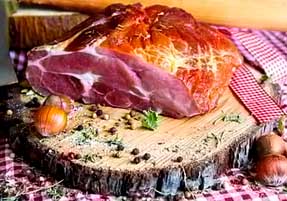
Dry aging is an ancient preservation method. Essentially, it is controlled decomposition. A large cut of beef hangs in a special environment. The temperature is between 34-38°F (1-3°C). The humidity is around 80%. A fan circulates air constantly.
Over time, natural enzymes break down the muscle tissue. This tenderizes the meat. Meanwhile, moisture evaporates. This concentrates the beefy flavor. A protective crust forms on the outside. This crust is trimmed away later. The inside remains perfectly safe and delicious.
Why Dry Age Steak at Home?
Firstly, you save a lot of money. Restaurant dry aged steak costs a fortune. Secondly, you gain complete control. You can choose the cut and aging time. Finally, it is a rewarding project. The result is incredibly satisfying.
Essential Equipment for Dry Aging Steak in the Fridge
You cannot use your everyday kitchen fridge. You need a dedicated refrigerator. Alternatively, use a mini-fridge. Here is the necessary equipment.
-
Dedicated Fridge or Mini-Fridge: This is crucial. Your regular fridge has wrong humidity and circulating food smells.
-
Wire Rack and Pan: The rack elevates the meat. The pan catches any drips.
-
Small Fan: A USB computer fan works perfectly. It ensures consistent air circulation.
-
Digital Thermometer/Hygrometer: This monitors temperature and humidity accurately.
-
The Right Cut of Beef: Choose a large, whole subprimal. Excellent choices include Ribeye (rib roast) or Striploin (strip loin).
Optional but helpful equipment includes salt blocks. They can help regulate humidity. However, they are not strictly necessary for beginners.
Step-by-Step Guide: How to Dry Age Steak in Your Fridge
Follow these steps carefully. Success depends on precision and patience.
Step 1: Choose and Prepare Your Fridge
Clean the fridge thoroughly with vinegar. This removes any bacteria. Install the small fan inside. Place the digital hygrometer on a shelf. Finally, set the temperature to 34-38°F (1-3°C).
Step 2: Select the Perfect Cut of Beef
You need a large, primal cut with a thick fat cap. The fat cap protects the meat during aging. A whole rib roast or strip loin is ideal. Ensure the meat is fresh and high-quality.
Step 3: Set Up the Aging Environment
Place the wire rack over the drip pan. Then, put the beef cut directly on the rack. The fat cap should be facing up. Turn on the small fan. The air must move around the meat freely.
Step 4: Monitor the Process Closely
Check the temperature and humidity daily. The ideal humidity is between 70-80%. If it is too low, the meat will dry out too fast. If it is too high, mold might grow. Adjust the fridge settings as needed.
Step 5: Wait Patiently
This is the hardest part. The aging process cannot be rushed. A minimum aging period is 21 days. For more intense flavor, aim for 30, 45, or even 60 days. The longer it ages, the stronger the flavor becomes.
How Long Can You Age Steak in the Fridge?
The aging time depends on your taste preference.
-
21-30 Days: Mild tenderness and flavor enhancement. Perfect for beginners.
-
30-45 Days: Noticeable nutty and earthy notes. The texture is much more tender.
-
45-60+ Days: Very intense, robust, and funky flavors. This is for true connoisseurs.
Most home dry agers find 30-45 days to be the sweet spot.
Understanding the Risks of DIY Dry Aging
Dry aging at home has risks. You must understand them before starting.
-
Bad Mold Growth: Not all mold is harmful. However, black or green mold is dangerous. If you see it, discard the meat immediately.
-
Spoilage: If the temperature is wrong, the meat can rot. It will smell putrid. Trust your nose. If it smells bad, it is bad.
-
Costly Failure: A large cut of beef is expensive. A mistake can mean losing that investment.
To minimize risks, maintain a clean environment. Monitor your equipment constantly. When in doubt, throw it out.
The Final Step: Trimming and Cooking
After aging, the beef will have a hard, dark crust. You must trim this away completely. Only the beautiful, dark red meat inside is edible.
Expect significant weight loss. This is normal due to moisture evaporation. You might lose 20-30% of the original weight. This is why the flavor is so concentrated.
Slice your steaks from the trimmed primal. Cook them simply. Use high heat like a cast-iron skillet. Season with just salt and pepper. Let the incredible, dry-aged flavor shine.
Frequently Asked Questions (FAQs)
Can I dry age a single steak?
No, you cannot. The process requires a large cut. A single steak has too much surface area. It will simply dry out and become jerky.
What does dry aged steak taste like?
The flavor is often described as nutty and beefy. It has a deeper, more complex taste than fresh steak. Some people detect notes of buttered popcorn or umami.
Is the mold on dry aged steak safe?
Certain white, powdery molds are harmless. They are similar to mold on aged cheese. However, you should always trim the crust off. Never eat the outer layer.
Can I use a regular kitchen fridge?
It is not recommended. The humidity is too low. Furthermore, other foods can contaminate the beef. A dedicated space is always best.
How much meat will I lose after trimming?
You should expect a 20-30% loss. For example, a 10-pound roast may yield 7-8 pounds of steaks. The flavor intensity makes this loss worthwhile.
Some Videos about How to Dry Age Steak in the Fridge
Conclusion: Your Dry Aging Journey Awaits
Dry aging steak at home is an exciting project. It requires the right equipment and patience. However, the reward is unparalleled. You will enjoy steak better than any restaurant.
Start with a good cut. Monitor your fridge carefully. Do not rush the process. Soon, you will taste the incredible results.
Have you ever tried dry-aged steak? Does this guide make you want to try it at home? Share your thoughts in the comments below!
Internationally Renowned Website References for “How to Dry Age Steak in the Fridge”
For readers seeking in-depth scientific and culinary perspectives, here are links to highly authoritative institutions and publications.
-
Serious Eats – The Food Lab’s Guide to Dry Aging
-
https://www.seriouseats.com/the-food-lab-guide-to-dry-aging-beef-at-home -
Serious Eats is renowned for its evidence-based, scientific approach to cooking. This guide, by J. Kenji López-Alt, provides exhaustive detail and experimentation, making it a top resource for understanding the “why” behind the process.
-
-
USDA Food Safety and Inspection Service (FSIS)
-
While not a dry-aging guide per se, this USDA page is the ultimate authority on mold safety in food. This is critical for understanding which molds are safe during dry aging and which are hazardous.
-
America’s Test Kitchen – How to Dry-Age Beef at Home
-
https://www.americastestkitchen.com/articles/3323-how-to-dry-age-beef-at-home -
America’s Test Kitchen is famous for its rigorous testing methodology. Their recommendations are based on extensive trial and error, providing reliable, tested methods for home cooks.
-
-
The North American Meat Institute (NAMI)
-
https://www.meatinstitute.org/ -
NAMI is the leading trade association for the meat industry. Their site contains resources on meat science, safety, and processing, providing a professional-level context for the aging process.
-
-
PubMed Central (NIH) – Scientific Studies on Meat Aging
-
https://www.ncbi.nlm.nih.gov/pmc/articles/PMC4669973/(Example study: “Effect of Dry Aging on Quality Attributes of Beef”) -
For the scientifically inclined, PubMed Central provides access to peer-reviewed studies on the biochemical changes during dry aging. This is primary source, expert-level information.
-
-
Cook’s Illustrated – Dry-Aging Beef in a Standard Refrigerator
-
https://www.cooksillustrated.com/science/847-articles/how-to-dry-age-beef-in-a-standard-refrigerator -
Similar to America’s Test Kitchen, Cook’s Illustrated provides meticulously researched and foolproof techniques for home kitchens, known for their clarity and reliability.
-
-
BBC Good Food – Specialist Techniques
-
https://www.bbcgoodfood.com/howto/guide/how-age-beef -
BBC Good Food is a massively trusted culinary resource in the UK and globally. Their guides are well-vetted and accessible, offering a trusted perspective for home cooks.
-