


Wondering about omelette calories? A 2 egg omelette contains about 180–200 calories, while a 3 egg version has around 270–300. For a high-protein feast, a 4 egg omelette provides roughly 360–400 calories. Keep in mind that calories increase further with oil, butter, cheese, or savory meat fillings!
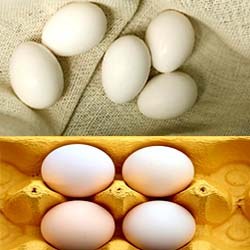
Omelette Calories by Egg Count
-
🍳 2-egg omelette: 180–200 calories
-
🍳 3-egg omelette: 270–300 calories
-
🍳 4-egg omelette: 360–400 calories
-
🧀 Cheese and butter raise calories quickly
-
💪 Protein increases with each added egg
Why Omelette Calories Vary More Than Other Egg Dishes
Omelette calories depend on two main factors:
the number of eggs and the ingredients added during cooking.
Unlike boiled or poached eggs, omelettes usually include oil, butter, milk, cheese, or fillings. Because of this, omelette calorie counts vary far more than most egg preparations.
Understanding portion size and ingredients helps you control calories with confidence.
Calories in a 2-Egg Omelette
A 2-egg omelette is the most common breakfast portion.
2-Egg Omelette Nutrition (Plain)
-
Calories: 180–200
-
Protein: 12–14 grams
-
Fat: 14–16 grams
This portion works well for weight maintenance and light breakfasts. When cooked with minimal oil, it fits most balanced diets.
However, cheese or butter can raise calories past 250 quickly.
Calories in a 3-Egg Omelette
A 3-egg omelette suits higher energy and protein needs.
3-Egg Omelette Nutrition (Plain)
-
Calories: 270–300
-
Protein: 18–21 grams
-
Fat: 21–24 grams
This size supports active lifestyles and muscle recovery. It keeps you full longer and stabilizes hunger.
That said, added cheese or meat can push calories above 400.
Calories in a 4-Egg Omelette
A 4-egg omelette delivers a high-calorie, high-protein meal.
4-Egg Omelette Nutrition (Plain)
-
Calories: 360–400
-
Protein: 24–28 grams
-
Fat: 28–32 grams
This portion works best for bulking diets or heavy training days. For weight loss, it may exceed calorie targets.
Portion awareness matters most at this level.
How Cooking Fat Changes Omelette Calories
Eggs are only part of the calorie equation.
Common cooking additions include:
-
1 teaspoon oil: +40 calories
-
1 tablespoon butter: +100 calories
-
Non-stick spray: minimal calories
Because fat adds calories fast, measuring oil helps maintain accuracy.
Omelette Calories With Popular Fillings
Fillings often surprise people.
| Filling | Extra Calories |
|---|---|
| Vegetables | +20–40 |
| Cheese (1 oz) | +100–120 |
| Ham or bacon | +80–150 |
| Cream or milk | +20–60 |
Vegetable omelettes stay lighter. Cheese omelettes become calorie-dense quickly.
Omelette Protein Content by Egg Count
Protein scales directly with egg quantity.
-
2 eggs: 12–14 g protein
-
3 eggs: 18–21 g protein
-
4 eggs: 24–28 g protein
Because protein promotes fullness, omelettes can reduce snacking later.
Omelette vs Scrambled Eggs Calories
Many users compare omelettes with scrambled eggs.
Both use similar ingredients. However, omelettes often include more fat and fillings. As a result, omelettes usually contain more calories.
👉 Related guide: Scrambled Eggs Calories & Nutrition
Omelette vs Boiled Eggs Calories
Boiled eggs contain no added fat. Therefore, they remain lower in calories.
| Preparation | Calories (3 Eggs) |
|---|---|
| Boiled eggs | ~210–234 |
| Omelette | ~270–300 |
👉 Baseline reference: Boiled Egg Calories & Nutrition

Are Omelettes Healthy?
Yes, omelettes can be healthy when prepared thoughtfully.
They provide:
-
High-quality protein
-
Important vitamins from yolks
-
Long-lasting satiety
Health depends on ingredient quality and portion size, not the omelette itself.
Omelettes for Weight Loss
Omelettes can support weight loss with smart choices.
Best practices include:
-
Use 2 eggs instead of 3 or 4
-
Choose vegetables over cheese
-
Limit oil and butter
-
Pair with fiber-rich foods
For strict calorie tracking, boiled or poached eggs remain easier.
Omelettes for Muscle Gain and Fitness
For muscle building, omelettes work well.
They provide:
-
Complete protein
-
Easy calorie scaling
-
Flexible ingredient options
Adding vegetables improves micronutrients without excessive calories.
Omelette Calories for Breakfast vs Dinner
Many people wonder if omelette calories affect the body differently based on meal timing. From a nutrition standpoint, a 2-egg or 3-egg omelette works best for breakfast, as protein supports satiety and stable energy. In contrast, a 4-egg omelette at dinner may feel heavy, especially for lower activity evenings. Choosing lighter ingredients helps manage total calorie intake.
Restaurant Omelette Calories vs Homemade Omelettes
Restaurant omelettes usually contain significantly more calories than homemade versions. Chefs often use extra butter, oil, and cheese for flavor. As a result, a restaurant 3-egg omelette can exceed 500 calories easily. Cooking at home gives you control over fat, portion size, and ingredients. This makes calorie tracking far more accurate.
Omelette Calories on Low-Carb and High-Protein Diets
Omelettes fit well into low-carb and high-protein diets because eggs contain minimal carbohydrates. A 3-egg omelette provides strong protein density without added carbs. However, calorie control still matters. Adding vegetables boosts volume and nutrients without increasing calories much. This balance supports fat loss and muscle maintenance goals.
Common Omelette Questions
-
How many calories are in a 2-egg omelette?
A plain 2-egg omelette contains about 180–200 calories.
-
Does a 3-egg omelette have more protein?
Yes. It provides 18–21 grams of protein.
-
Is a 4-egg omelette healthy?
It can be, depending on calorie needs and activity level.
-
Do omelettes have more calories than scrambled eggs?
Often yes, especially with added cheese or butter.
Related Egg Nutrition Guides
Final Takeaway
Omelette calories depend on egg count, fat, and fillings. Plain omelettes remain reasonable. Loaded omelettes increase calories fast. Understanding portions helps you choose wisely.
References & Sources
-
USDA FoodData Central – Eggs, Omelet Nutrition Data
Official U.S. government database for egg calories, protein, and portion sizes.
https://fdc.nal.usda.gov -
Egg Nutrition Center – Egg Nutrition & Cooking Methods
Research-based resource focused on egg nutrition, preparation, and health benefits.
https://www.eggnutritioncenter.org -
Harvard T.H. Chan School of Public Health – Eggs & Health
Evidence-based discussion on egg consumption, cholesterol, and balanced diets.
https://www.hsph.harvard.edu/nutritionsource/food-features/eggs -
Healthline – Omelet Nutrition Facts and Calories
Medically reviewed nutrition breakdowns for omelettes and egg-based meals.
Cleveland Clinic – Eggs, Protein, and Heart Health
Clinical guidance on eggs, dietary fat, and protein intake.
https://health.clevelandclinic.org -
BBC Good Food – Omelette Nutrition and Calories
International food authority providing calorie and nutrition data for omelettes.
https://www.bbcgoodfood.com -
Eat This, Not That! – Omelette Calories Explained
Popular nutrition and calorie comparison site with egg-based meal analysis.
https://www.eatthis.com -
Verywell Fit – Omelette Calories and Macronutrients
Evidence-backed nutrition explanations for omelettes and portion sizes.
https://www.verywellfit.com -
Medical News Today – Eggs, Protein, and Nutrition
Science-based reporting on egg nutrition and dietary impact.
https://www.medicalnewstoday.com -
National Institutes of Health (NIH) – Protein and Dietary Research
Peer-reviewed research on protein intake, digestion, and nutrient absorption.
https://www.ncbi.nlm.nih.gov
Disclaimer
This Omelette Calories (2 egg, 3 egg, 4 egg) article is intended for informational and educational purposes only and is based on publicly available nutrition data and reputable global sources. Calorie and nutrition values may vary depending on egg size, ingredients, cooking methods, and portion sizes. This content does not constitute medical or dietary advice. For personalized nutrition or health recommendations, consult a qualified healthcare professional or registered dietitian.