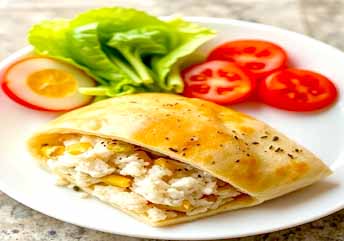

Did you know the “wok hei” flavor in your Panda Express takeout comes from a 120,000 BTU commercial burner? Your home stove can’t match it, but one simple Chinese restaurant technique can get you 90% of the way there. You crave that Panda Express Black Pepper Sirloin Steak —tender, juicy beef in a rich, savory sauce—but you don’t crave the mystery ingredients, excess sodium, or soggy takeout container.
Good news: you can make a version that’s healthier, more flavorful, and ready faster than delivery in your own kitchen. The secret isn’t a fancy wok; it’s mastering velveting and a smarter sauce. This guide gives you the exact steps to nail the iconic texture and flavor, while putting you in complete control of what goes in your food.
Part 1: The Fast-Food Flavor Problem & Your Home-Kitchen Solution
Panda Express’s Black Pepper Steak is a classic for a reason. It hits all the right notes: savory, slightly sweet, umami-rich, with a kick of black pepper. But replicating it at home often leads to two major failures:
-
Tough, Chewy Beef: Home cooks typically stir-fry sliced steak over high heat. This quickly squeezes out all the juices, leaving you with dry, rubbery meat.
-
A Watery, Bland Sauce: The sauce either turns into a thin, flavorless puddle or becomes an overly thick, gloppy mess that doesn’t cling to the beef and vegetables.
The professional solution to both problems is one technique: VELVETING.
Velveting is a Chinese culinary method where meat is marinated in a mixture that includes cornstarch and often a tiny bit of baking soda or egg white, then briefly blanched in oil or water before the final stir-fry. This creates a protective coating on the meat that:
-
Seals in juices, guaranteeing tender, succulent bites every time.
-
Gives the meat a silky, restaurant-quality mouthfeel.
-
Prevents overcooking during the fast, high-heat stir-fry.
For the sauce, we ditch the corn syrup and MSG-heavy packets. We’re building a balanced, healthier sauce from pantry staples that delivers more complex flavor without the junk.
Part 2: The Velveting Masterclass: Your Key to Tender Beef
This is the non-negotiable step. Do not skip it. It’s what separates a good stir-fry from a great one.
The Science of Velveting:
A alkaline ingredient like baking soda (used in tiny amounts) raises the pH on the surface of the meat. This changes the protein structure, preventing them from seizing up and tightening too much during cooking. The cornstarch creates a physical barrier that locks in moisture. The result is beef that stays remarkably tender, even when cooked over the high heat needed for a proper stir-fry.
Your Velveting Marinade (The “Better” Step):
For 1 lb (450g) of top sirloin or flank steak, sliced thinly against the grain:
-
1 tbsp Shaoxing wine or dry sherry
-
and 1 tbsp light soy sauce
-
1 tbsp cornstarch
-
and 1 tsp baking soda (crucial for the velveting effect)
-
then 1 tsp toasted sesame oil
Instructions: Combine all ingredients in a bowl with the sliced beef. Massage it thoroughly with your hands for a full minute—this ensures every piece is coated. Let it marinate for at least 20 minutes, or up to 2 hours in the fridge.
Part 3: The Healthier, Smarter Sauce Formula
We’re building a sauce with depth, using ingredients you can pronounce and control.
Deconstructing the Flavor Profile:
The original sauce is built on five pillars: Salty (soy), Sweet (sugar/honey), Sour (a hint), Umami (oyster sauce), and Pepper Heat. Our homemade version honors this but improves the quality.
Healthier Copycat Sauce Recipe:
Whisk the following together in a bowl before you start cooking:
-
3 tbsp low-sodium soy sauce (reduces sodium by ~40%)
-
2 tbsp oyster sauce (essential for umami; use vegetarian oyster sauce if needed)
-
1 ½ tbsp honey or maple syrup (a cleaner sweetener than corn syrup)
-
1 tbsp Shaoxing wine or dry sherry
-
2 tsp rice vinegar (the secret “bright” note)
-
1 tsp toasted sesame oil
-
1 tsp freshly ground black pepper (DO NOT use pre-ground; freshness is key)
-
½ tsp ground white pepper (adds a different, more floral heat dimension)
-
1 tbsp cornstarch (slurry for thickening)
-
¼ cup water or low-sodium beef broth
Why this is “Better”: You control the salt, swap refined sugar for natural sweeteners, and amplify the black pepper flavor with a two-pepper blend for more complexity.
Part 4: The “Faster” Stir-Fry Method: Your Step-by-Step Blueprint
Total Time: 35 minutes | Serves: 3-4
Ingredients:
-
1 lb top sirloin or flank steak, velveted (see above)
-
and 1 red bell pepper, sliced
-
1 green bell pepper, sliced
-
also 1 yellow onion, sliced
-
3-4 cloves garlic, minced
-
1 tbsp fresh ginger, minced
-
2 green onions, sliced (for garnish)
-
Sauce (see above, pre-mixed)
-
2 tbsp high-heat cooking oil (avocado, peanut, or canola)
Equipment:
-
Your largest skillet, cast-iron pan, or wok
-
Tongs
-
A small bowl for the pre-mixed sauce (Mise en place is critical for speed)
The “Faster-Than-Delivery” Cooking Sequence:
Step 1: Sear the Velveted Beef.
Heat 1 tbsp oil in your pan over maximum heat until shimmering and almost smoking. Add the velveted beef in a single layer. DO NOT STIR. Let it sear untouched for 60-90 seconds to get a good crust. Flip and cook for another 60 seconds until just cooked through. Remove to a clean plate immediately. (This is not the final cook; we’re just getting color and setting the velveting coating.)
Step 2: Stir-Fry the Aromatics & Veggies.
- Add the remaining 1 tbsp oil to the pan
- and add the garlic and ginger and stir-fry for 20 seconds until fragrant.
- Add the onions and bell peppers
- Stir-fry for 3-4 minutes until they are vibrant and tender-crisp (not mushy).
Step 3: The Grand Finale – Sauce & Combine.
Give your pre-mixed sauce a final whisk (cornstarch settles). Push veggies to the side. Pour the sauce into the center of the pan. It will bubble and thicken within 30 seconds due to the cornstarch. Once thickened, return the beef (and any juices) to the pan. Toss everything together vigorously for 1 minute until the beef is reheated and beautifully coated in the glossy sauce.
Step 4: Serve Immediately.
Garnish with sliced green onions. Serve immediately over steamed brown rice, cauliflower rice, or noodles for a complete, healthy meal.
Part 5: Answering Your Stir-Fry Questions (The “Why” Behind Success)
Why slice against the grain?
Look at your steak. You’ll see long muscle fibers running parallel. Slicing perpendicular to them (against the grain) shortens these fibers. This makes each bite much more tender and easier to chew. It’s a simple trick with a massive impact.
Can I velvet without baking soda?
Yes, but the tenderizing effect will be less dramatic. Use just the cornstarch, soy, and wine. For the best texture, the tiny amount of baking soda is worth it—it completely breaks down during cooking.
My sauce didn’t thicken. What happened?
The cornstarch slurry must hit simmering liquid to activate. If your pan wasn’t hot enough, the sauce will remain thin. Solution: Mix 1 extra tsp cornstarch with 1 tbsp cold water and stir it into the simmering sauce in the pan.
How do I make this gluten-free?
Easily! Use tamari instead of soy sauce and ensure your oyster sauce is gluten-free (or use a gluten-free mushroom stir-fry sauce).
What’s the best cut of beef for this?
Flank steak is the classic for its robust beefy flavor. Top sirloin is slightly more tender and a great all-purpose choice. Skirt steak also works wonderfully but requires very thin slicing.
Part 6: Your Complete, Healthier Takeout Swap
By making this copycat, you’re not just saving money. You’re making a conscious upgrade for your health.
-
You control the sodium. Our sauce uses low-sodium soy, cutting hundreds of milligrams.
-
You eliminate additives. No MSG, corn syrup, or stabilizers—just real food.
-
You increase vegetables. Load up those bell peppers and onions for more fiber and vitamins.
-
You choose your carb. Swap white rice for quinoa, brown rice, or cauliflower rice for a nutrient-dense base.
The final result is a dish that tastes bolder and more satisfying than the original, with a texture that will make you feel like a stir-fry master. It proves that “fast food” doesn’t have to come from a drive-thru—it can be a quick, healthy, and deeply delicious ritual in your own kitchen.
Reference
-
The Culinary Institute of America (CIA)
Website: https://www.ciachef.edu/
The CIA is one of the world’s premier culinary colleges. Its resources and publications are foundational texts for professional chefs, offering scientifically-backed cooking techniques and principles that underpin professional recipe development and food pairing.
-
Serious Eats
Website: https://www.seriouseats.com/
Renowned for its deep culinary science approach, particularly through “The Food Lab” by J. Kenji López-Alt. It provides thoroughly tested recipes and explanations for why techniques work, making it a top-tier source for reliable, innovative side dish recipes and pairing theories.
-
America’s Test Kitchen
Website: https://www.americastestkitchen.com/
An award-winning resource known for its meticulous, multi-test approach to recipes and product reviews. Their recommendations for cooking techniques and ingredient pairings are highly trusted, ensuring home cooks achieve consistent, excellent results.
-
Bon Appétit
Website: https://www.bonappetit.com/
A leading voice in food media with a global reputation. It features recipes and food journalism from renowned chefs and editors, setting trends and offering sophisticated, well-curated ideas for modern menus and pairings.
-
BBC Good Food
Website: https://www.bbcgoodfood.com/
Operated by the BBC, it is a massively trusted public-service resource in the UK and Commonwealth countries like Australia. It provides a vast, reliable collection of recipes reviewed by home cooks and nutritionally analyzed by dietitians.
-
Food & Wine
Website: https://www.foodandwine.com/
A premier publication that expertly bridges the worlds of haute cuisine and wine. It is an exceptional reference for sophisticated beverage pairings (both wine and cocktails) and chef-driven recipes that complement high-quality ingredients like steak.
-
Taste of Home
Website: https://www.tasteofhome.com/
Built on a foundation of community-submitted, family-tested recipes, it is a leading resource for classic, reliable, and crowd-pleasing dishes that resonate strongly with home cooks in North America.
-
Australian Good Food Guide
Website: https://www.goodfood.com.au/ (Note: Formerly The Good Food Guide)
The definitive guide to Australia’s restaurant and culinary scene from The Sydney Morning Herald and The Age. It reflects contemporary Australian dining trends, chef expertise, and local ingredient preferences, making it highly relevant for the target audience.
-
Epicurious
Website: https://www.epicurious.com/
A Condé Nast publication with a deep archive of recipes from top culinary magazines like Gourmet. It is known for its rigorous recipe testing process and features extensive guides on techniques and ingredients, making it a reliable source for culinary education.
Disclaimer
The information and recipe provided in this guide are for general informational and entertainment purposes only. While every effort has been made to ensure accuracy based on available knowledge and testing, the creator and publisher make no guarantees regarding the outcome of any recipe, the accuracy of nutritional information, or its suitability for your specific dietary needs or restrictions. You are solely responsible for following safe food handling practices, verifying ingredient information for allergens, and using your own judgment when preparing this recipe. For specific health or dietary advice, consult a qualified professional.