
When people ask about protein in 2 eggs, they usually want a clear answer they can trust. Maybe you are building muscle, trying to lose weight, or simply planning a balanced breakfast. Either way, protein matters—and eggs often sit at the center of that conversation.
Still, many articles give shallow numbers without context. This guide goes deeper. It explains how much protein 2 eggs provide, how that protein works in your body, and how to use eggs effectively for real-life goals.
Quick Answer
Two large eggs contain about 12 to 14 grams of high-quality protein.
This protein includes all essential amino acids and remains stable across most cooking methods.
Protein in 2 Eggs
-
🥚 2 large eggs: 12–14 grams of protein
-
💪 Complete protein with all essential amino acids
-
🍳 Protein stays consistent when cooked
-
🔥 Supports muscle, satiety, and daily protein needs
-
⚖️ Works well for weight loss and fitness diets
Why Protein in 2 Eggs Matters
Two eggs represent a practical serving size. Many people eat two eggs without thinking about nutrition numbers. Yet this portion delivers a meaningful protein boost without excessive calories.
Protein from eggs supports muscle repair, controls appetite, and stabilizes energy. Because eggs digest efficiently, the body uses their protein effectively. That combination explains why eggs appear in so many healthy eating plans.
How Much Protein Is in 2 Eggs Exactly?
The exact protein content depends on egg size.
Protein in 2 Eggs by Size
| Egg Size | Protein |
|---|---|
| Small eggs | ~10 grams |
| Medium eggs | ~11 grams |
| Large eggs | 12–14 grams |
| Extra-large eggs | ~14 grams |
| Jumbo eggs | ~16 grams |
Most nutrition references assume large eggs, which is why 12–14 grams serves as the standard answer.
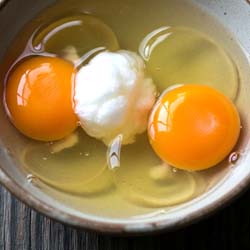
Protein in Egg Whites vs Whole Eggs (2 Eggs)
Many people separate whites from yolks for calorie control. However, understanding protein distribution helps make informed choices.
-
2 egg whites: ~7.2 grams protein
-
2 yolks: ~5.4 grams protein
-
2 whole eggs: 12–14 grams protein
Although egg whites contain slightly more protein, the yolk adds nutrients that support protein use and overall health.
👉 Related guide: Egg Whites Only Calories & Protein
Does Cooking Affect Protein in 2 Eggs?
Cooking does not reduce protein content. Instead, it improves protein digestibility. Your body absorbs cooked egg protein more efficiently than raw egg protein.
Whether you boil, poach, scramble, or fry eggs, protein levels remain nearly identical. Added fats change calories, not protein.
Protein in 2 Eggs by Cooking Method
| Cooking Method | Protein |
|---|---|
| Boiled eggs | ~12–14 g |
| Poached eggs | ~12–14 g |
| Scrambled eggs | ~12–14 g |
| Fried eggs | ~12–14 g |
This consistency makes eggs a dependable protein source.
Protein in 2 Eggs for Weight Loss
Protein helps control hunger and reduces overeating later in the day. Two eggs provide enough protein to increase satiety without overwhelming calories.
Because eggs balance protein and fat naturally, they help stabilize blood sugar levels. This effect supports steady energy and fewer cravings.
👉 Related guide: Calories in 2 Eggs
Protein in 2 Eggs for Muscle Building
For muscle growth, protein quality matters. Eggs provide complete protein, which supports muscle repair and growth after training.
While two eggs alone may not meet full post-workout needs, they form a strong foundation. Many athletes combine eggs with additional protein sources for optimal results.
Is Protein in 2 Eggs Enough for Breakfast?
For many adults, two eggs provide a moderate protein base. However, most people need 20–30 grams of protein per meal for optimal muscle protein synthesis.
That means:
-
2 eggs = solid start
-
Adding dairy, legumes, or meat completes the meal
Eggs work best as part of a balanced breakfast.
Protein in 2 Eggs Compared to Other Foods
Comparisons help put numbers into perspective.
| Food | Protein |
|---|---|
| 2 large eggs | ~12–14 g |
| 1 cup Greek yogurt | ~17 g |
| ½ cup cooked chicken | ~21 g |
| 2 slices bread | ~6 g |
Eggs deliver strong protein density for their size and simplicity.
Protein in 2 Eggs and Cholesterol
Egg protein does not raise cholesterol. Cholesterol exists in the yolk, not the protein itself. Current research shows that dietary cholesterol affects individuals differently.
For most healthy people, eggs fit safely into balanced diets.
Protein in Scrambled Eggs (2 Eggs)
Scrambled eggs retain the same protein as whole eggs. However, added milk, cheese, or butter increases calories and fat. The protein from the eggs remains unchanged.
👉 Related guide: Protein in Scrambled Eggs
Can You Eat 2 Eggs Every Day for Protein?
Most healthy adults tolerate daily egg consumption well. Eggs provide reliable protein and important nutrients. Balance across the entire diet matters more than frequency alone.
Listening to your body always matters.
Common Questions About Protein in 2 Eggs
-
How much protein is in 2 eggs?
Two large eggs contain about 12 to 14 grams of protein.
-
Are 2 eggs enough protein for breakfast?
They help, but most people need additional protein sources.
-
Does cooking eggs reduce protein?
No. Cooking improves protein absorption.
-
Are egg whites better than whole eggs for protein?
Egg whites have slightly more protein, but whole eggs offer better nutrition overall.
Final Thoughts
Protein in 2 eggs offers a simple, affordable, and effective way to boost daily protein intake. While not a complete meal alone, two eggs provide a strong nutritional base that fits many goals.
Used wisely, eggs remain one of the most efficient protein foods available.
References & Sources
-
USDA FoodData Central – https://fdc.nal.usda.gov
-
Egg Nutrition Center – https://www.eggnutritioncenter.org
-
Harvard T.H. Chan School of Public Health – https://www.hsph.harvard.edu
-
Cleveland Clinic – https://health.clevelandclinic.org
- National Institutes of Health – https://www.ncbi.nlm.nih.gov
Disclaimer
This Protein in 2 Eggs article is for informational purposes only. Nutrition values vary by egg size, preparation, and dietary context. This content does not replace professional medical or dietary advice. Consult a qualified healthcare provider for personalized guidance.
Last updated: December 2025
Reviewed for accuracy and clarity Dr. Evelyn Karen, M.D., Ph.D., Certified Dietitian & Preventive Medicine