


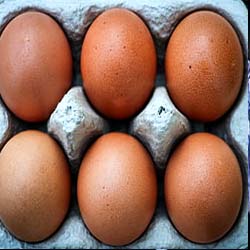
Six eggs on a plate is a deliberate choice. People searching “protein in 6 eggs” usually want clarity, not opinions. They want exact protein numbers, real context, and guidance that makes sense for their goals.
This guide delivers that. You will learn how much protein six eggs provide, how your body uses it, and when this amount truly fits your diet.
Quick Answer
Six large eggs contain about 36 to 42 grams of high-quality protein.
This amount meets or exceeds the recommended protein intake for one full meal.

Protein in 6 Eggs
-
🥚 6 large eggs: 36–42 grams of protein
-
💪 Complete protein with all essential amino acids
-
🍳 Cooking does not reduce protein content
-
⚖️ Best for active and high-protein diets
-
🔥 Strong support for muscle recovery and fullness
Why Protein in 6 Eggs Attracts High-Intent Searches
Six eggs represent a high-protein meal, not a casual serving. Therefore, this query usually comes from people focused on muscle gain, strength training, or strict nutrition tracking.
Moreover, eggs provide protein that the body absorbs efficiently. As a result, six eggs deliver usable protein without complicated preparation or expensive foods.
How Much Protein Is in 6 Eggs Exactly?
Protein content depends on egg size. However, most nutrition data uses large eggs as the standard.
Protein in 6 Eggs by Size
| Egg Size | Protein |
|---|---|
| Small eggs | ~30 grams |
| Medium eggs | ~33 grams |
| Large eggs | 36–42 grams |
| Extra-large eggs | ~42 grams |
| Jumbo eggs | ~48 grams |
If your eggs are jumbo, protein intake rises quickly.
Protein in Egg Whites vs Whole Eggs (6 Eggs)
Some people remove yolks to control calories. Understanding protein distribution helps guide that decision.
-
6 egg whites: ~21.6 grams protein
-
6 yolks: ~16–18 grams protein
-
6 whole eggs: 36–42 grams protein
Egg whites provide lean protein. However, yolks support hormone balance and nutrient absorption.
👉 Related guide: Egg Whites Only Calories & Protein
Does Cooking Affect Protein in 6 Eggs?
Cooking does not reduce protein content. Instead, it improves protein digestibility.
Boiled, poached, scrambled, or fried eggs deliver similar protein amounts. Added oil increases calories, not protein.
Therefore, eggs remain easy to track for protein-focused diets.
Protein in 6 Eggs by Cooking Method
| Cooking Method | Protein |
|---|---|
| Boiled eggs | ~36–42 g |
| Poached eggs | ~36–42 g |
| Scrambled eggs | ~36–42 g |
| Fried eggs | ~36–42 g |
Protein stays stable across preparation methods.
Protein in 6 Eggs for Muscle Building
Muscle growth requires hitting a protein threshold per meal. Six eggs often exceed that threshold.
Because egg protein contains all essential amino acids, it supports muscle repair efficiently. Therefore, many athletes use six eggs after intense training sessions.
Adding carbohydrates helps replenish energy stores and improve recovery.
Protein in 6 Eggs for Weight Loss
Six eggs create strong fullness due to high protein and fat content. This satiety can reduce snacking later.
However, calorie intake matters. For calorie-restricted diets, six eggs may exceed daily targets. In that case, fewer eggs work better.
👉 Related guide: Calories in 6 Eggs
Is Protein in 6 Eggs Enough for One Meal?
For most adults, yes.
Research often suggests 25–40 grams of protein per meal. Six eggs fall comfortably within that range.
Therefore:
-
6 eggs = complete protein base
-
Fiber improves digestion
-
Meal timing still matters
Protein in 6 Eggs Compared to Other Foods
Comparisons help place protein intake into context.
| Food | Protein |
|---|---|
| 6 large eggs | ~36–42 g |
| 6 oz chicken breast | ~42 g |
| 2.5 cups Greek yogurt | ~40 g |
| 2 cups cooked lentils | ~36 g |
Eggs compete strongly for protein density and convenience.
Protein in Scrambled Eggs (6 Eggs)
Scrambling six eggs does not reduce protein. However, butter, milk, or cheese raises calories quickly.
The protein from eggs remains unchanged.
👉 Related guide: Protein in Scrambled Eggs
Protein in 6 Eggs and Cholesterol
Protein itself does not raise cholesterol. Cholesterol comes from egg yolks.
Current research shows dietary cholesterol affects individuals differently. For most healthy adults, six eggs fit balanced diets when overall nutrition remains controlled.
Who Should Consider Eating 6 Eggs?
Six eggs suit:
-
Strength athletes
-
High-protein diets
-
Physically demanding jobs
-
Bulking phases
However, balance and variety always matter.
Common Questions About Protein in 6 Eggs
-
How much protein is in 6 eggs?
Six large eggs contain about 36 to 42 grams of protein.
-
Is eating 6 eggs too much protein?
For active adults, no. It fits common per-meal protein targets.
-
Does frying eggs reduce protein?
No. Frying changes calories, not protein.
-
Are egg whites better than whole eggs?
Egg whites reduce calories, but whole eggs provide better overall nutrition.
Final Thoughts
Protein in 6 eggs delivers powerful, efficient, and affordable nutrition. This amount works best for active lifestyles and high-protein goals.
Used intentionally, six eggs can anchor a complete, satisfying meal.
References & Sources
- USDA FoodData Central – https://fdc.nal.usda.gov
- Egg Nutrition Center – https://www.eggnutritioncenter.org
- Harvard T.H. Chan School of Public Health – https://www.hsph.harvard.edu
- Cleveland Clinic – https://health.clevelandclinic.org
- National Institutes of Health – https://www.ncbi.nlm.nih.gov
Disclaimer
This Protein in 6 Eggs article is for informational purposes only. Protein values vary by egg size, preparation, and dietary context. This content does not replace professional medical or nutritional advice. Consult a qualified healthcare provider for personalized guidance.
Last updated: Jan 2026
Reviewed for accuracy and clarity by Dr. Evelyn Karen, M.D., Ph.D., Certified Dietitian & Preventive Medicine