


Protein in 3 eggs serves as a vital foundation for anyone serious about reaching their nutritional milestones without the complexity of supplements. While a plate of three eggs looks like a simple, everyday meal, it actually delivers a high-quality dose of amino acids essential for your body’s recovery and energy.
Why leave your daily progress to chance when you can rely on a natural, whole-food source that keeps you satisfied and on track?
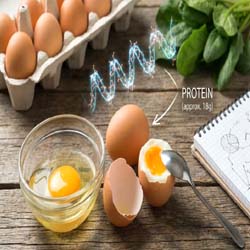
This guide breaks down the specific numbers, explains how your body efficiently processes this protein, and offers practical ways to optimize your egg-based meals for maximum results.
Quick Answer
Three large eggs contain about 18 to 21 grams of high-quality protein.
This protein is complete, highly digestible, and remains stable across common cooking methods.
So, How Much Protein You Get, Benefits, and
the Best Ways to Use Protein in 3 Eggs
Protein in 3 Eggs
-
🥚 3 large eggs: 18–21 grams of protein
-
💪 Complete protein with all essential amino acids
-
🍳 Cooking does not reduce protein
-
⚖️ Ideal for muscle support and satiety
-
🔥 Works well for breakfast, lunch, or post-workout meals
Why Protein in 3 Eggs Is a Sweet Spot
Three eggs represent a nutritional middle ground. This portion provides enough protein to meaningfully support muscle repair and appetite control, without pushing calories too high for most diets.
For many people, three eggs form the foundation of a high-protein meal. Because egg protein absorbs efficiently, the body uses it effectively for tissue repair and metabolic function.
How Much Protein Is in 3 Eggs Exactly?
Protein content depends on egg size. Most nutrition databases use large eggs as the reference.
Protein in 3 Eggs by Size
| Egg Size | Protein |
|---|---|
| Small eggs | ~15 grams |
| Medium eggs | ~16.5 grams |
| Large eggs | 18–21 grams |
| Extra-large eggs | ~21 grams |
| Jumbo eggs | ~24 grams |
If your eggs are larger than average, protein intake increases accordingly.
Protein in Egg Whites vs Whole Eggs (3 Eggs)
Some people eat only egg whites to reduce calories. However, knowing how protein distributes helps guide better choices.
-
3 egg whites: ~10.8 grams protein
-
3 yolks: ~8 grams protein
-
3 whole eggs: 18–21 grams protein
Egg whites provide slightly more protein by weight. However, yolks supply nutrients that support protein utilization.
👉 Related guide: Egg Whites Only Calories & Protein
Does Cooking Change Protein in 3 Eggs?
Cooking changes texture, not protein amount.
Boiling, poaching, scrambling, or frying eggs keeps protein content nearly identical. In fact, cooking improves protein digestibility, allowing the body to absorb amino acids more efficiently.
Added fats affect calories, not protein levels.
Protein in 3 Eggs by Cooking Method
| Cooking Method | Protein |
|---|---|
| Boiled eggs | ~18–21 g |
| Poached eggs | ~18–21 g |
| Scrambled eggs | ~18–21 g |
| Fried eggs | ~18–21 g |
This consistency makes eggs reliable for meal planning.
Protein in 3 Eggs for Weight Loss
Protein increases satiety and helps reduce overeating. Three eggs provide enough protein to keep hunger under control for hours.
Because eggs also stabilize blood sugar, they help prevent energy crashes and cravings. When paired with vegetables or whole grains, three eggs fit well into weight-loss plans.
👉 Related guide: Calories in 3 Eggs
Protein in 3 Eggs for Muscle Building
Muscle growth depends on both protein quantity and quality. Three eggs deliver high-quality amino acids that support muscle repair after exercise.
While 3 eggs alone may not reach optimal post-workout protein targets, they serve as a strong base. Many athletes combine eggs with dairy, legumes, or lean meats to reach ideal intake.
Is Protein in 3 Eggs Enough for One Meal?
For many adults, three eggs provide a solid protein foundation. However, optimal protein intake per meal often falls between 20 and 30 grams.
That means:
-
3 eggs meet minimum needs for many people
-
Adding another protein source improves results
Three eggs work especially well at breakfast or lunch.
Protein in 3 Eggs Compared to Other Foods
Comparisons help put protein numbers into context.
| Food | Protein |
|---|---|
| 3 large eggs | ~18–21 g |
| 1 cup Greek yogurt | ~17 g |
| 3 oz chicken breast | ~21 g |
| 1 cup cooked lentils | ~18 g |
Eggs compete strongly with other protein sources for efficiency and convenience.
Protein in Scrambled Eggs (3 Eggs)
Scrambling three eggs does not reduce protein. However, added milk, cheese, or butter increases calories and fat. Protein from the eggs remains unchanged.
👉 Related guide: Protein in Scrambled Eggs
Protein in 3 Eggs and Cholesterol
Protein itself does not raise cholesterol. Cholesterol comes from the yolk. Modern research shows dietary cholesterol affects individuals differently.
For most healthy adults, eating three eggs fits safely into a balanced diet.
Can You Eat 3 Eggs Daily for Protein?
Many people eat three eggs daily without issues. Eggs offer consistent protein and valuable nutrients. Balance across the overall diet matters more than egg count alone.
Listening to your body remains essential.
Common Questions About Protein in 3 Eggs
-
How much protein is in 3 eggs?
Three large eggs contain about 18 to 21 grams of protein.
-
Is 3 eggs enough protein for muscle building?
They help, but most people need additional protein sources.
-
Does frying eggs reduce protein?
No. Frying changes calories, not protein.
-
Are egg whites better than whole eggs for protein?
Egg whites contain slightly more protein, but whole eggs provide better overall nutrition.
Final Thoughts
Protein in 3 eggs provides a powerful blend of quality, convenience, and affordability. This portion fits many lifestyles and supports muscle, metabolism, and satiety.
Used strategically, three eggs can anchor a balanced, protein-focused meal.
References & Sources
- USDA FoodData Central – https://fdc.nal.usda.gov
- Egg Nutrition Center – https://www.eggnutritioncenter.org
- Harvard T.H. Chan School of Public Health – https://www.hsph.harvard.edu
- Cleveland Clinic – https://health.clevelandclinic.org
- National Institutes of Health – https://www.ncbi.nlm.nih.gov
Disclaimer
This Protein in 3 Eggs article is for informational purposes only. Protein values vary by egg size, preparation, and dietary context. This content does not replace professional medical or nutritional advice. Consult a qualified healthcare provider for personalized guidance.
Last updated: December 2025
Reviewed for accuracy and clarity Dr. Evelyn Karen, M.D., Ph.D., Certified Dietitian & Preventive Medicine