

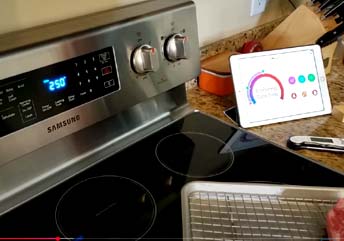
Do you want perfectly cooked steak every time? Are you tired of guessing cooking times? A good chart takes the stress out of cooking. This guide gives you all the times and temperatures you need. The perfect reverse sear steak time chart shows exact temperatures for different thicknesses.
For a 1.5-inch steak, cook at 275°F until it reaches 120°F inside, then sear. The final temperature will be 135°F for perfect medium-rare.
Save this guide for your next steak dinner. It will be your best kitchen helper. No more overcooked or undercooked steak.
Table of Contents
ToggleWhy Temperature Matters Most
Cooking time is not the best way to cook steak. Thickness changes everything. A thick steak needs more time than a thin one. Your oven might be different from mine.
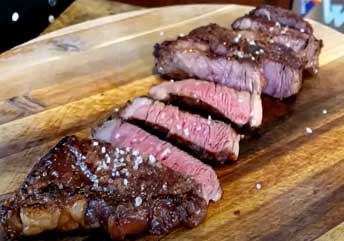
A meat thermometer is your most important tool. It tells you the exact temperature inside the steak. This is the secret to perfect cooking every time. Do not guess – always use a thermometer.
The Simple Science Behind the Reverse Sear Chart
You might wonder why these specific temperatures work so well. The reason is simple science. Understanding it will make you a more confident cook.
How Heat Moves Through Steak
Heat always moves from a hot area to a cooler one. In a very hot pan, heat rushes into the steak. It creates a steep temperature gradient. This means the outside gets very hot very fast, while the inside stays cool. This often causes a large, overcooked “grey ring” before the center is done.
The reverse sear fixes this. A 275°F oven is a gentle heat source. It warms the steak slowly and evenly. The heat has time to move gently from the surface to the very center. Therefore, you get an even doneness from edge to edge with no grey ring.
The Magic of a Dry Surface
The low oven temperature does another important job. It dries the surface of the steak. You cannot get a good sear on a wet steak. Water causes steaming. A dry surface allows for immediate and intense browning, called the Maillard reaction. This is what creates that delicious, crispy, flavorful crust during the quick sear.
In short, the chart works because the slow oven ensures even heating and a dry surface, while the hot sear delivers the perfect crust.
Complete Reverse Sear Temperature Chart
This chart works for all steak types. Use it for ribeye, strip steak, or filet mignon. Just match the thickness to the temperature.
Steak Thickness |
Oven Temperature |
Pull Steak Out At |
Final Temp (After Searing) |
|---|---|---|---|
| 1 inch | 275°F (135°C) | 115°F (46°C) | 130°F (54°C) |
| 1.5 inch | 275°F (135°C) | 120°F (49°C) | 135°F (57°C) |
| 2 inch | 275°F (135°C) | 120°F (49°C) | 135°F (57°C) |
| 2.5 inch (Tomahawk) | 275°F (135°C) | 120°F (49°C) | 135°F (57°C) |
Why two temperatures? Steak continues cooking after it leaves the oven. This is called “carryover cooking.” The hot sear adds more heat too. Pulling early prevents overcooking.
Steak Doneness Temperature Guide
Different people like their steak cooked differently. Use this chart to find your perfect temperature.
Doneness |
Final Target Temperature |
How It Looks |
|---|---|---|
| Rare | 125°F (52°C) | Bright red center |
| Medium Rare | 135°F (57°C) | Warm red center |
| Medium | 145°F (63°C) | Warm pink center |
| Medium Well | 150°F (66°C) | Slightly pink center |
| Well Done | 160°F (71°C) | Little or no pink |
Approximate Cooking Times
While temperature is most important, these times can help you plan your meal.
Steak Thickness |
Approximate Oven Time |
|---|---|
| 1 inch | 20-25 minutes |
| 1.5 inch | 25-35 minutes |
| 2 inch | 35-45 minutes |
| 2.5 inch | 45-60 minutes |
Remember: These are estimates only. Always use your thermometer for perfect results.
What Changes Your Cooking Time? Important Variables
Our chart is your perfect starting point. But several factors can change cooking time slightly. Knowing them will help you understand why your steak might be ready a few minutes earlier or later.
-
Your Oven’s Accuracy: Most home ovens are not perfectly accurate. An oven can be off by 25 degrees or more! An inexpensive oven thermometer can tell you your oven’s real temperature. If your oven runs hot, the steak will cook faster. If it runs cool, it will take longer.
-
Starting Temperature of the Steak: A steak straight from the fridge will take longer to cook than a steak that has sat on the counter for 20-30 minutes. For the most consistent results, we recommend taking the steak out of the fridge about 30 minutes before cooking.
-
The Type of Pan You Use: Using a wire rack on a baking sheet is the best method. It allows hot air to circulate all around the steak. If you place the steak directly on the baking sheet, the bottom will cook slightly faster, which can add a few minutes to the total time.
-
Opening the Oven Door: Every time you open the oven door to check the steak, you let out hot air. The oven then has to work to heat back up. This can add to the total cooking time. Trust the thermometer and try to avoid constantly opening the door.
The Bottom Line: The chart is your guide, but the thermometer is your boss. These variables are why we always say to trust the internal temperature over the clock.
Grill Temperature Chart
You can reverse sear on a grill too. The temperatures are the same as oven cooking.
Steak Thickness |
Grill Temperature |
Pull Steak Out At |
|---|---|---|
| 1 inch | 275°F (135°C) | 115°F (46°C) |
| 1.5 inch | 275°F (135°C) | 120°F (49°C) |
| 2 inch | 275°F (135°C) | 120°F (49°C) |
Grill tip: Set up two zones on your grill. Cook on the cool side first, then sear on the hot side.
Air Fryer Temperature Chart
Air fryers work great for reverse searing too.
Steak Thickness |
Air Fryer Temperature |
Pull Steak Out At |
|---|---|---|
| 1 inch | 275°F (135°C) | 115°F (46°C) |
| 1.5 inch | 275°F (135°C) | 120°F (49°C) |
Air fryer tip: Finish in a hot pan for the best crust. Air fryers don’t sear as well as pans.
5 Common Mistakes to Avoid
-
Not using a thermometer – This is the biggest mistake
-
Not patting steak dry – Wet steak won’t sear properly
-
Pan not hot enough – Wait until oil is shimmering and hot
-
Cutting steak too soon – Always rest 5-10 minutes after cooking
-
Using thin steak – Reverse sear works best with steaks 1 inch or thicker
Pro Tips for Perfect Results
-
Bring steak to room temperature before cooking for even results
-
Use high-smoke point oil like avocado or canola for searing
-
Rest steak on a wire rack to keep bottom from getting soggy
-
Season generously with salt and pepper before cooking
-
Let steak rest – this makes it much juicier
Temperature Guide for Different Steak Cuts
Different steaks might need slight adjustments:
-
Ribeye: Cook to at least medium-rare (135°F) to render fat properly
-
Filet Mignon: Best at rare to medium-rare (125-135°F)
-
Strip Steak: Excellent at medium-rare (135°F)
-
T-Bone: Cook like you would a strip steak
When to Take Steak Off Heat
This simple guide helps you know when your steak is ready:
-
115°F – Ready to sear for rare steak
-
120°F – Ready to sear for medium-rare steak
-
125°F – Ready to sear for medium steak
-
130°F – Ready to sear for medium-well steak
Need More Detailed Instructions?
This chart gives you all the quick facts you need. But there’s more to learn about reverse searing.
For complete step-by-step instructions, read our ultimate reverse sear guide. Learn exactly how to prepare, season, and sear your steak perfectly. We cover all methods including oven, grill, and air fryer.
[Link to Pillar Page: “How to Reverse Sear a Steak: The Ultimate Guide for Oven, Grill & Air Fryer”]
Frequently Asked Questions
How long does a 2-inch steak take to reverse sear?
About 35-45 minutes in a 275°F oven. Always use a thermometer rather than relying only on time.
What’s the best temperature for reverse sear?
275°F (135°C) works perfectly for most home ovens. This low temperature cooks steak gently and evenly.
Can I use these temperatures on a pellet grill?
Yes! These temperatures work perfectly for Traeger and other pellet grills. Use the “Smoke” setting or set to 275°F.
Why does my steak temperature keep rising?
This is normal “carryover cooking.” The heat from the outside continues moving toward the center. This is why we pull steak out before it reaches the final temperature.
Troubleshooting: Fixing Common Reverse Sear Problems
Even with a great chart, sometimes things don’t go perfectly. Here are simple solutions to common problems.
First Problem: My steak temperature rose too much during the sear.
-
Why it happens: Your pan was too hot, or you seared for too long.
-
The Fix: Next time, make sure your steak is 10-15°F below the target before searing. Also, ensure your steak is patted very dry. A wet steak will steam, requiring more searing time and raising the internal temperature too much.
Second Problem: The outside is done but the inside is still cold.
-
Why it happens: Your oven temperature was too high. This causes the outside to cook too quickly before the heat can reach the center.
-
The Fix: Always use a low oven temperature, around 275°F. This is non-negotiable for the reverse sear to work correctly.
Third Problem: I didn’t get a good crust when I seared.
-
Why it happens: The steak surface was not dry enough, or the pan was not hot enough.
-
The Fix: Pat the steak aggressively with paper towels before it goes in the oven. For the pan, wait until your oil is shimmering and just starting to smoke. A cast-iron skillet is highly recommended because it holds heat very well.
Fourth Problem: My steak is done early. How do I keep it warm?
-
The Fix: This is a great problem to have! If your steak is ready before you’re ready to eat, simply leave it on the wire rack at room temperature. A reverse-seared steak can comfortably rest for 15-20 minutes and will still be perfectly warm. Just give it a quick, 30-second sear right before serving to re-crisp the crust.
Conclusion: Your Go-To Steak Resource
Now you have the most complete reverse sear temperature guide available. Keep this page bookmarked for easy reference. With these charts and tips, you’ll cook perfect steak every time.
Share this guide with your friends who love great steak! Have questions about temperatures? Ask us in the comments below – we’re happy to help!
Trusted Resources & Video Tutorials About Reverse Sear Steak Time Chart
First Video
Second Video
Third Video
- https://www.seriouseats.com/the-food-lab-complete-guide-to-reverse-searing
- https://www.americastestkitchen.com/recipes/10496-reverse-seared-steak
- https://www.weber.com/US/en/grill-skills/beef/how-to-reverse-sear-a-steak/weber-12839.html
- https://www.traeger.com/learn/how-to-reverse-sear-steak
- https://www.foodnetwork.com/how-to/packages/shopping/articles/how-to-reverse-sear-steak
- https://www.bonappetit.com/test-kitchen/common-mistakes/article/what-is-reverse-searing
- https://www.bbcgoodfood.com/glossary/reverse-searing-glossary
- https://www.thekitchn.com/how-to-reverse-sear-a-steak-cooking-lessons-from-the-kitchn-220031