

A serving of scrambled eggs made from two large eggs contains about 180–200 calories when cooked with a small amount of oil or butter. Calories vary significantly based on added ingredients like milk, cheese, or butter, making scrambled eggs one of the most variable egg preparations in terms of nutrition.
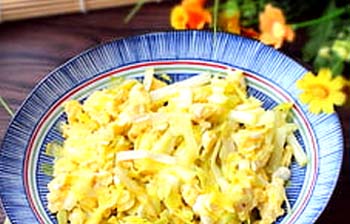
Table of Contents
ToggleScrambled Eggs Nutrition Summary
-
🍳 2 scrambled eggs: 180–200 calories (basic)ffff
-
🧈 With butter or milk: 200–250+ calories
-
🧀 With cheese: 250–350+ calories
-
💪 Protein: 12–14 grams
-
⚠️ Calories depend heavily on cooking method and add-ins
Why Scrambled Eggs Calories Are So Hard to Estimate
Unlike boiled eggs, scrambled eggs don’t have a fixed calorie count. That’s because scrambled eggs are rarely cooked plain. Most people add butter, oil, milk, or cheese — and each addition increases calories without changing the egg itself.
As a result, two scrambled eggs at home may have far fewer calories than scrambled eggs served at a restaurant, even if the portion looks the same. This variability is exactly why many calorie calculators underestimate scrambled egg calories.
Calories in Scrambled Eggs (By Number of Eggs)
Scrambled Egg Calories — Basic Preparation
(Minimal oil, no cheese)
| Number of Eggs | Calories | Protein |
|---|---|---|
| 1 scrambled egg | ~90–100 | ~6–7 g |
| 2 scrambled eggs | ~180–200 | ~12–14 g |
| 3 scrambled eggs | ~270–300 | ~18–21 g |
| 4 scrambled eggs | ~360–400 | ~24–28 g |
How Many Calories Are in Scrambled Eggs with Milk?
One of the most searched variations is scrambled eggs with milk calories, because many people add milk to improve texture.
Adding 1–2 tablespoons of milk to scrambled eggs typically increases calories by 10–20 calories, depending on the type of milk used. Whole milk adds more calories than skim or low-fat milk, but the overall impact remains moderate compared to butter or cheese.
As a result, scrambled eggs with a small amount of milk are still considered a balanced, protein-rich option when calories are tracked carefully.
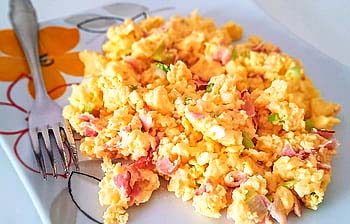
Are Scrambled Eggs Keto-Friendly or Low-Carb?
Scrambled eggs are naturally low in carbohydrates, which makes them highly popular in keto and low-carb diets. Plain scrambled eggs contain less than 2 grams of carbs per serving, with most calories coming from protein and fat.
However, carb content can increase if ingredients like milk, vegetables, or sauces are added. For keto-focused meals, scrambled eggs cooked with minimal oil or butter remain a highly efficient, low-carb breakfast choice.
How Ingredients Change Scrambled Eggs Calories
This is where most of the extra calories come from.
Common Add-Ins and Their Impact
-
Butter (1 tsp): +35–40 calories
-
Milk (1–2 tbsp): +10–20 calories
-
Cheese (1 oz): +100–120 calories
-
Cream: +40–60 calories per tablespoon
Therefore, scrambled eggs with cheese and butter can easily exceed 300 calories, even with just two eggs.
Scrambled Eggs Protein Content
Despite the calorie changes, protein stays consistent.
Two scrambled eggs still provide:
-
12–14 grams of complete protein
-
All 9 essential amino acids
-
High satiety per serving
However, as calories increase from added fats, the protein-to-calorie ratio decreases, which matters for weight-loss or calorie-controlled diets.
Scrambled Egg Whites vs Whole Scrambled Eggs
Many people switch to egg whites to reduce calories.
-
Scrambled egg whites (2): ~50–60 calories
-
Whole scrambled eggs (2): ~180–200 calories
Egg whites remove yolk fat, lowering calories but also reducing nutrients like choline and vitamin D. Whole scrambled eggs are more filling, while egg whites are popular for low-calorie, high-protein meals.
Do Scrambled Eggs Lose Nutrients When Cooked?
Scrambling eggs causes minimal nutrient loss. In fact, cooking eggs improves protein digestibility compared to raw eggs. While some heat-sensitive vitamins may slightly decline, scrambled eggs remain a nutrient-dense and bioavailable protein source when not overcooked.
The real nutritional concern is added fat, not cooking itself.
Scrambled Eggs vs Boiled Eggs Calories
| Cooking Method | Calories (2 Large Eggs) |
|---|---|
| Boiled eggs | ~140–156 |
| Poached eggs | ~140–156 |
| Scrambled eggs (plain) | ~180–200 |
| Scrambled eggs (with butter/milk) | 220–280+ |
| Scrambled eggs (with cheese) | 300–350+ |
Are Scrambled Eggs Healthy?
Yes — when prepared mindfully.
Scrambled eggs are healthy if:
-
Cooked with minimal oil
-
Not overloaded with cheese or cream
-
Paired with vegetables or whole foods
They become calorie-dense only when extras outweigh the eggs themselves.
Scrambled Eggs for Weight Loss: Good or Bad?
Scrambled eggs can fit into a weight-loss plan, but they require more control than boiled eggs.
They work best when:
-
Cooked in a non-stick pan
-
Made with little or no butter
-
Combined with vegetables for volume
For predictable calorie tracking, boiled or poached eggs are usually easier.
Common Questions About Scrambled Eggs
- How many calories are in scrambled eggs?
Two scrambled eggs contain about 180–200 calories, depending on ingredients. - Do scrambled eggs have more calories than fried eggs?
They can. Scrambled eggs with butter or cheese may contain more calories than a lightly fried egg. - Are scrambled eggs high in protein?
Yes. Two scrambled eggs provide 12–14 grams of protein. - Can I eat scrambled eggs every day?
Yes, if overall calorie intake and added fats are controlled.
Related Egg Nutrition Guides
-
Egg Nutrition Guide: Calories, Protein & Cooking Methods
-
Boiled Egg Calories & Nutrition
-
Fried Egg Calories & Nutrition
-
Egg Whites Only Calories
-
Calories in 3 Eggs
Final Takeaway
Scrambled eggs are nutritious, filling, and protein-rich — but their calorie content depends almost entirely on how they’re cooked. When prepared simply, they’re a healthy option. When loaded with extras, calories add up fast.
Reference
-
USDA FoodData Central
Official U.S. government nutrition database used for calorie, protein, fat, and egg size references.
https://fdc.nal.usda.gov -
Egg Nutrition Center (ENC)
Research-backed information on egg nutrition, cooking methods, protein quality, and health effects.
https://www.eggnutritioncenter.org -
Harvard T.H. Chan School of Public Health – Eggs & Health
Evidence-based guidance on eggs, dietary cholesterol, fats, and long-term health outcomes.
https://www.hsph.harvard.edu/nutritionsource/food-features/eggs -
Healthline – Scrambled Eggs Nutrition Facts
Medically reviewed explanations of scrambled egg calories, ingredients, and cooking variations.
https://www.healthline.com/nutrition/scrambled-eggs -
Cleveland Clinic – Eggs and Cholesterol
Clinical insights on egg consumption, heart health, and cholesterol myths.
https://health.clevelandclinic.org/eggs-and-cholesterol -
National Institutes of Health (NIH) – Protein and Diet
Scientific research on protein intake, digestion, and nutrient bioavailability.
https://www.ncbi.nlm.nih.gov
Disclaimer
This Scrambled Eggs Calories & Nutrition guide is intended for informational and educational purposes only and is based on publicly available nutrition data and reputable sources. Calorie counts and nutrition values may vary depending on egg size, ingredients, cooking methods, and portion sizes. This content does not replace professional medical, dietary, or nutritional advice. For personalized nutrition guidance, health conditions, or specific dietary needs, consult a qualified healthcare provider or registered dietitian.
