
Table of Contents
The Teres Major Steak location is one of the beef’s best-kept secrets. This tender, flavorful muscle hides deep inside the cow’s shoulder — right beneath the blade bone.
The Hidden Gem Inside the Cow’s Shoulder
Despite being small, it rivals premium cuts like filet mignon in tenderness. Yet most people have never heard of it, let alone seen where it comes from.
So, where exactly does this cut come from, and why is it so special?
Let’s explore the location, anatomy, yield, and butchery secrets of this underrated steak.
🐄 What Is the Teres Major Steak?
The Teres Major is a lean, cylindrical muscle found in the shoulder region of the cow. It belongs to the chuck primal, just under the scapula (shoulder blade).
Because this muscle doesn’t do much work, it stays tender, fine-grained, and juicy. Butchers also call it the shoulder tender, petite tender, or mock tenderloin.
Although small, it delivers big flavor and buttery texture, often compared to tenderloin — at a fraction of the cost.
📍 Teres Major Steak Location on the Cow
Picture the cow’s forequarter, where the front leg meets the shoulder. Within the chuck primal, just under the top blade, lies a small, smooth muscle — that’s your Teres Major.
It connects the shoulder blade (scapula) to the humerus bone, supporting front-leg movement. Since it’s hidden between dense muscles, it’s not easy to access — which is why skilled butchers are needed to extract it cleanly.

📊 Quick Location Overview
| Section | Detail | Description |
|---|---|---|
| Primal | Chuck (Forequarter) | Between shoulder blade and upper arm |
| Muscle | Teres Major | Also called Shoulder Tender |
| Aliases | Petite Tender, Mock Tenderloin | Regional variations |
| Texture | Fine-grained, lean | Similar to Tenderloin |
| Yield | ~10–12 oz per muscle | Two per animal |
This table format helps search engines (and readers) quickly identify the Teres Major steak location, boosting featured snippet potential.
🔪 How Butchers Extract the Teres Major Cut
Removing the Teres Major requires precision. It’s not a cut you’ll find in most supermarkets — it’s often reserved for artisan butchers and chefs.
Here’s the general process:
-
Locate the shoulder clod under the scapula.
-
Separate the top blade muscle to reveal the Teres Major underneath.
-
Follow the grain to carefully detach the Teres Major muscle.
-
Trim the silver skin and connective tissue for a smooth, tender surface.
-
Cut into medallions or small steaks (each around 5–6 ounces).
Each cow provides two Teres Major muscles, weighing about 0.6 pounds each. That’s why it’s so rare — and why chefs often call it a “butcher’s secret.”
🧬 Anatomy of the Teres Major Muscle
The Teres Major belongs to the shoulder’s deep muscle group, close to the subscapularis and infraspinatus.
It helps stabilize the shoulder joint but performs very little heavy work.
That minimal use keeps its muscle fibers short, fine, and evenly aligned, creating its signature tenderness.
Anatomically speaking:
-
It sits beneath the scapula, beside the top blade and flat iron.
-
It’s part of the chuck primal, but unlike other chuck cuts, it’s tender enough to grill like a filet.
-
It contains minimal intramuscular fat, but enough to stay moist and flavorful.
⚖️ Yield per Cow: Why It’s So Rare
Even on a large steer, the Teres Major yield is tiny. Each animal produces just two small muscles, totaling about 1 pound of usable meat.
That’s less than 0.5% of total carcass weight. Because of that, it’s often sold directly to restaurants or high-end butchers rather than mass retailers.
🧾 Typical Yield Calculation
| Animal | Weight | Teres Major Yield |
|---|---|---|
| 1,200 lb Steer | 750 lb carcass | ~1 lb total Teres Major |
| Per Muscle | ~10–12 oz | 2 muscles per cow |
So if you ever see Teres Major steak for sale, consider it a lucky find.
🇺🇸🇨🇦🇦🇺 Regional Variations and Naming
In different regions, the Teres Major goes by multiple names:
| Region | Common Names | Notes |
|---|---|---|
| USA | Shoulder Tender, Petite Tender | Often labeled “mock tenderloin” |
| Canada | Teres Major Filet, Beef Shoulder Tender | Popular among gourmet butchers |
| Australia | Petite Fillet, Teres Major | Sold in premium butcher shops |
Because of this, always ask your butcher for “shoulder tender” or “petite tender” if they don’t recognize “Teres Major.”
🥩 Why Chefs Love the Teres Major Steak
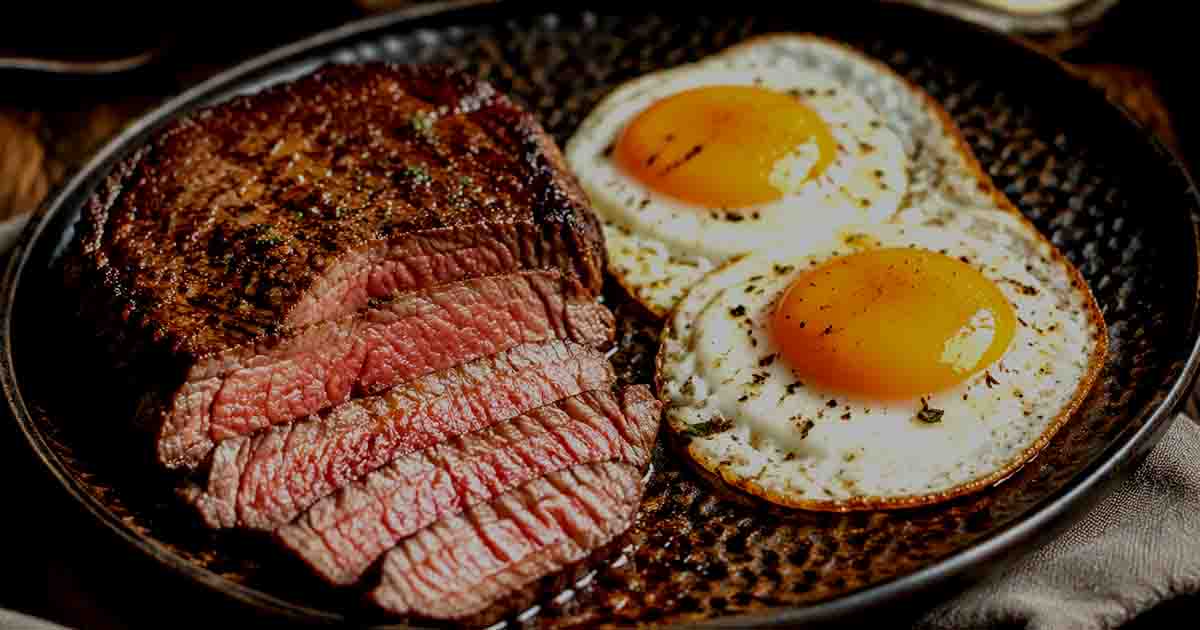
Chefs adore this cut because it’s versatile, flavorful, and consistent. It cooks quickly, stays tender, and pairs well with marinades, sauces, and compound butters.
Unlike other shoulder cuts, it’s easy to portion and plate. That’s why restaurants often feature it as a petite filet or medallion steak.
It’s a prime example of affordable luxury — offering filet-like tenderness without the high cost.
🍳 Cooking the Teres Major (Quick Overview)
Although this article focuses on its location, here’s a quick cooking insight:
-
Sear each side for 3 minutes over high heat.
-
Rest for 5 minutes before slicing.
-
Always cut against the grain for maximum tenderness.
These small steps keep the muscle’s fine texture intact and its juices sealed in.
🧠 Key Takeaways
-
Location: Beneath the shoulder blade, inside the cow’s chuck primal.
-
Aliases: Shoulder tender, petite tender, mock tenderloin.
-
Yield: About 1 lb per cow (two muscles).
-
Texture: Lean, tender, fine-grained like filet.
-
Rarity: Low yield makes it a premium, hard-to-find cut.
❓ Frequently Asked Questions (FAQ)
Q1: Where exactly is the Teres Major located on a cow?
It’s found beneath the shoulder blade, inside the chuck primal, near the cow’s front leg.
Q2: Why is it called the “shoulder tender”?
Because it’s cut from the shoulder and is surprisingly tender—almost like filet mignon.
Q3: How much Teres Major does a cow yield?
Each cow produces only about one pound of Teres Major from both shoulders.
Q4: Is Teres Major steak the same as mock tender?
Yes. “Mock tender,” “petite tender,” and “shoulder tender” are all alternate names.
Q5: Why is it so tender despite coming from the shoulder?
It’s a rarely used muscle with fine fibers and little connective tissue, making it naturally tender.
Q6: Which primal cut does the Teres Major come from?
It comes from the chuck primal, one of the cow’s front sections near the forequarter.
Q7: How do butchers remove the Teres Major cut?
They carefully extract it from the clod section under the shoulder blade using precision trimming.
Q8: Is the Teres Major part of the tenderloin?
No. Though similar in texture, it’s located in the shoulder region, not the loin.
Q9: What does the Teres Major muscle do in the cow’s body?
It helps control the cow’s shoulder and foreleg movement but does minimal work, which keeps it tender.
Q10: How can I identify the Teres Major steak at a butcher shop?
Look for a small, elongated, cylindrical cut labeled “teres major,” “shoulder tender,” or “petite tender.”
Q11: What’s the average size of a Teres Major steak?
It usually weighs between 8 and 12 ounces—perfect for one or two servings.
Q12: Does the Teres Major contain a lot of fat or marbling?
It’s a lean cut with minimal fat but has just enough marbling for flavor and juiciness.
Q13: How is the Teres Major different from the Flat Iron steak?
The Flat Iron is cut from above the shoulder blade, while the Teres Major lies beneath it and is leaner.
Q14: Is Teres Major steak popular in Australia and Canada?
Yes. In Australia and Canada, it’s known as petite tender or teres major filet, and is gaining popularity.
Q15: What’s the best cooking method for Teres Major steak?
Sear it quickly on high heat or grill it to medium-rare (130°F / 54°C) for peak tenderness.
🧾 Conclusion: The Cut You’ll Want to Remember
The Teres Major Steak is a rare treasure — hidden within the cow’s shoulder, prized for its tenderness and flavor.
Understanding its location, anatomy, and yield helps you appreciate why butchers guard it closely.
Next time you visit a butcher, ask about this underrated gem.
You might just discover your new favorite steak — one that’s both affordable and extraordinary.
🔗 External Resource
For official beef cut diagrams, visit BeefItsWhatsForDinner.com — the USDA-approved reference for beef anatomy.