


Table of Contents
The Zone Diet is an eating plan that focuses on balancing carbohydrates, protein and fat at every meal. It follows a specific macronutrient ratio: 40% of daily calories from carbohydrates, 30% from protein and 30% from fat. This is commonly called the 40:30:30 rule.
The diet was developed by American biochemist Dr. Barry Sears. It aims to help people manage their food intake through balanced meals and controlled portions. Instead of focusing only on calories, the Zone Diet uses a system called food blocks to guide how much of each macronutrient a person eats.
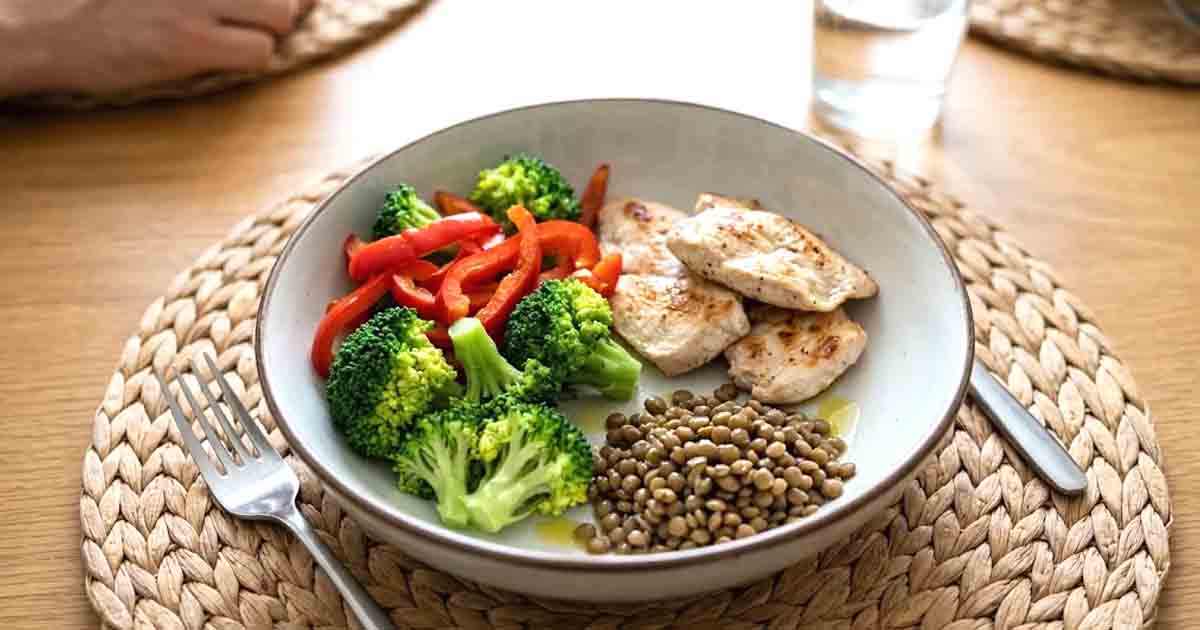
The Zone Diet is sometimes discussed alongside other eating plans for weight management and inflammation. However, it is not specifically designed as an anti-inflammatory diet, and research has not established that its 40:30:30 ratio provides unique health benefits.
Understanding how it works, what foods it includes and what the research says can help you decide whether it suits your needs.
What is the Zone Diet?
The Zone Diet is a structured eating plan based on balancing three macronutrients:
- Carbohydrates: The body’s main source of energy.
- Protein: Helps build and maintain muscles and other body tissues.
- Fat: Supports cell function and helps the body absorb certain vitamins.
The central idea is to include all three macronutrients in a balanced proportion at each meal and snack.
Dr. Barry Sears introduced the Zone Diet in his book The Zone, published in 1995. The plan was developed around the idea that the balance of carbohydrates, protein and fat may influence the body’s hormonal responses, particularly insulin.
The diet recommends choosing mostly lean protein, vegetables, fruits and healthy fats while limiting highly refined carbohydrates and foods high in added sugar.
Unlike a diet that focuses mainly on counting calories, the Zone Diet uses food blocks to help people manage portions. However, the food choices and total amount eaten still matter.
How Does the Zone Diet Work?
The Zone Diet is based on the idea that balancing carbohydrates, protein and fat may help regulate blood sugar and insulin responses after meals.
When you eat carbohydrates, your body breaks them down into glucose. This glucose enters the bloodstream, and the body releases insulin to help move it into cells.
Protein and fat also play important roles in digestion, energy use and normal body functions. The Zone Diet aims to combine these nutrients in a specific proportion rather than eating meals dominated by one macronutrient.
Its main principles include:
- Eat a balanced combination of carbohydrates, protein and fat at meals.
- Choose vegetables and fruits as important carbohydrate sources.
- Include lean protein in meals.
- Choose mostly unsaturated fats, such as olive oil, nuts and avocado.
- Limit highly refined carbohydrates and added sugars.
- Divide food intake across meals and snacks.
The diet’s proposed hormonal and anti-inflammatory mechanisms should not be confused with proven clinical outcomes. The 40:30:30 ratio is the Zone Diet’s defining approach, but research has not shown that this exact balance is necessary for everyone or that it prevents chronic disease.
What is the 40:30:30 Rule in the Zone Diet?
The 40:30:30 rule describes the proportion of calories that should come from each macronutrient.
| Macronutrient | Daily Calorie Share | Main Role |
|---|---|---|
| Carbohydrates | 40% | Provide energy |
| Protein | 30% | Support muscle growth and body tissue repair |
| Fat | 30% | Support cell function and vitamin absorption |
The Zone Diet follows a 40:30:30 macronutrient ratio: 40% of daily calories from carbohydrates, 30% from protein, and 30% from fat.
For example, if a person consumes 1,800 calories per day, the Zone Diet’s 40:30:30 macronutrient ratio would break down as follows:
| Nutrient | Daily Calories | Approximate Amount |
|---|---|---|
| Carbohydrates (40%) | 720 kcal | 180 g |
| Protein (30%) | 540 kcal | 135 g |
| Fat (30%) | 540 kcal | 60 g |
| Total | 1,800 kcal | — |
Calculation:
Carbohydrates and protein provide approximately 4 calories per gram, while fat provides 9 calories per gram. Therefore, 720 ÷ 4 = 180 g of carbohydrates, 540 ÷ 4 = 135 g of protein, and 540 ÷ 9 = 60 g of fat.
These figures show how the ratio works mathematically. They are not a recommended calorie target or an individual prescription. A person’s energy and nutrient needs depend on factors such as age, body size, activity, health conditions and personal goals.
The Zone Diet uses this balance as a general framework. It does not mean that every person should eat the same number of calories or the same portion sizes.
What are Zone Food Blocks?
Food blocks are the Zone Diet’s portion-control system. Each complete Zone block combines one protein block, one carbohydrate block and one fat block.
The standard Zone Diet block measurements are:
| Food Block | Protein | Available Carbohydrates | Fat |
|---|---|---|---|
| 1 block | 7 g | 9 g | 1.5 g* |
Additional fat allowance:
-
Animal-based protein: 5 g of additional fat per block.
-
Vegetarian protein: 3 g of additional fat per block.
Available carbohydrates generally mean total carbohydrates minus dietary fibre. Fat allowances vary because animal-based protein foods may already contain fat.
A two-block meal, for example, contains two protein blocks, two carbohydrate blocks and two fat blocks. It does not mean two blocks in total.
The Zone food-block system can make portion planning more structured. However, weighing and measuring foods may take time, especially when someone is first learning the system.
How Many Zone Blocks do You Need Each Day?
The number of blocks depends on a person’s individual requirements. Traditional Zone Diet calculations consider factors such as lean body mass and physical activity.
Zone Living gives average examples of approximately 11 blocks per day for women and 14 for men. These are general examples from the programme, not universal recommendations. Individual needs may be higher or lower.
It is important not to use an online calculator or a general block chart as a substitute for individual nutrition advice. A very low food intake can lead to inadequate energy and nutrient intake.
People who are pregnant, breastfeeding, very physically active, underweight or managing a medical condition should seek advice from a qualified healthcare professional before following a restrictive eating plan.
Zone Diet Food List: What can You Eat?
The Zone Diet does not completely remove carbohydrates, protein or fat. Instead, it encourages people to choose particular foods from each group and balance them throughout the day.
1. Protein Foods
Protein is included in each Zone Diet meal. The plan generally favours lean sources.
Examples include:
- Skinless chicken
- Fish
- Eggs
- Turkey
- Lean meat
- Low-fat yoghurt
- Low-fat cottage cheese
- Tofu
- Other suitable plant-based protein foods
Protein portions should be considered alongside the carbohydrate and fat portions of the meal.
2. Carbohydrate Foods
The Zone Diet encourages carbohydrates from vegetables and fruits, with attention to portion size.
Examples include:
- Spinach
- Broccoli
- Cucumber
- Tomatoes
- Capsicum
- Carrots
- Apples
- Oranges
- Berries
- Pears
- Oats
- Beans and lentils
The plan generally favours vegetables and fruits over refined grains, sweets and sugary drinks.
3. Healthy Fat Sources
Fat is an essential part of the Zone Diet. The plan encourages sources that are higher in unsaturated fats.
Examples include:
- Olive oil
- Avocado
- Almonds
- Walnuts
- Peanuts
- Seeds
- Other unsaturated vegetable oils
Portions still matter because fats are energy-dense.
Foods to Limit on the Zone Diet
The Zone Diet recommends limiting foods that are high in refined carbohydrates, added sugar or less favourable fat sources.
These may include:
- Sugary drinks
- Sweets and confectionery
- Cakes and pastries
- White bread
- Refined breakfast cereals
- Large portions of refined starches
- Deep-fried foods
- Highly processed snacks
These foods are not all nutritionally identical, and the diet’s food rules should not be interpreted as a medical requirement to avoid every item completely.
Zone Diet Meal Plan: A Practical Example
A Zone Diet meal plan combines protein, carbohydrates and fat in each meal. The following is an illustrative one-day menu using familiar foods. It is not a calculated block prescription because individual portion sizes depend on personal requirements.
One-Day Zone Diet Meal Plan (Example)
| Meal | Example Foods |
|---|---|
| Breakfast | Eggs, a small portion of oats, berries, and a few almonds |
| Mid-Morning Snack | Plain low-fat yoghurt and a small apple |
| Lunch | Grilled chicken, mixed vegetable salad, and olive oil dressing |
| Afternoon Snack | Cottage cheese with cucumber |
| Dinner | Grilled fish, steamed broccoli, and a measured portion of lentils |
Note: This is an illustrative one-day meal plan, not a personalized or calculated Zone Diet block prescription. Portion sizes should be adjusted according to individual nutritional and energy requirements. Food choices can also be adapted to local eating habits using options such as grilled fish, chicken, lentils, seasonal vegetables, and plain yoghurt.
Rice and roti do not automatically have to be removed from a meal. Their portions and overall carbohydrate contribution need to be considered within the eating plan.
The same principle applies to traditional Pakistani foods. Daal, chana, vegetables, yoghurt and lean meat can all be part of a balanced meal. However, the amount of oil, cooking method and portion size can change the overall nutritional value.
Is the Zone Diet Good for Weight Loss?
The Zone Diet may support weight loss when it helps a person manage portions and consume fewer calories than their body uses. Its structured meal pattern may also help some people become more aware of their food choices.
However, the Zone Diet has not been shown to be uniquely effective for weight loss compared with other well-planned diets.
A 2007 randomised clinical trial published in JAMA, known as the A TO Z Weight Loss Study, compared the Atkins, Zone, LEARN and Ornish diets over 12 months. The average weight change in the Zone group was approximately 1.6 kg. The Atkins group lost more weight on average, while the differences between the Zone, LEARN and Ornish groups were not statistically significant.
The study involved 311 overweight or obese premenopausal women, so its results should not automatically be applied to everyone. Source: Gardner et al., JAMA, 2007.
A systematic review of popular diets also found that the Zone Diet was associated with modest long-term weight loss in the available trials. The researchers concluded that the evidence was insufficient to identify one popular diet as clearly more beneficial than the others. Source: systematic review of randomised controlled trials.
This suggests that the Zone Diet can be one approach to weight management, but the overall quality of the diet, energy intake and ability to maintain the plan are important.
What are the Possible Benefits of the Zone Diet?
The Zone Diet has features that may help some people develop a more structured eating routine.
1. Encourages Balanced Meals
The plan encourages people to include carbohydrates, protein and fat instead of relying heavily on one food group.
2. Promotes Vegetables and Fruits
The diet encourages vegetables and fruits as important sources of carbohydrates. These foods provide fibre, vitamins and minerals.
3. Gives a Portion-Control System
Food blocks provide a method for planning meal portions. This may help people who prefer a structured approach to eating.
4. Encourages Lean Protein
The plan includes protein sources such as fish, chicken, eggs and suitable plant-based foods.
5. Limits Highly Refined Foods
The Zone Diet encourages people to reduce foods high in added sugar and refined carbohydrates.
These are features of the eating pattern, not proof that the Zone Diet prevents disease or produces better health outcomes than other balanced diets.
What are the Disadvantages of the Zone Diet?
The Zone Diet also has limitations that are worth considering before starting.
1. Food Blocks Can Be Difficult to Follow
People may need to measure portions and check food labels to calculate blocks correctly. This can make meal preparation more complicated.
2. The Macronutrient Ratio May Not Suit Everyone
The 40:30:30 ratio is not a universal nutritional requirement. People have different energy needs, activity levels and health conditions.
3. It May Require Careful Meal Planning
Balancing three macronutrients at every meal can be challenging when eating outside the home or preparing meals for a family.
4. Weight Loss Results Can Vary
Research does not establish that the Zone Diet consistently produces greater weight loss than other established dietary approaches.
5. Its Proposed Hormonal Benefits Are Not Fully Established
The diet’s original explanation focuses on insulin, glucagon and other biological processes. However, the proposed mechanisms should not be treated as proof that following the 40:30:30 ratio prevents chronic disease or controls inflammation.
A scientific review of the Zone Diet has questioned whether the evidence supports several of its broader health claims. Source: The Zone Diet phenomenon: a closer look at the science behind the claims.
Does the Zone Diet Reduce Inflammation?
The Zone Diet is sometimes described as an anti-inflammatory eating plan because it encourages vegetables, fruits, lean protein and unsaturated fats.
These foods can be part of a healthy dietary pattern. However, this does not mean that the Zone Diet has been proven to reduce inflammation or treat inflammatory conditions.
The diet’s original approach is based on a specific balance of carbohydrates, protein and fat. An anti-inflammatory diet, on the other hand, focuses more directly on overall food quality and dietary patterns, including foods that provide fibre, vitamins, minerals and beneficial plant compounds.
The two approaches may share some food choices, but their main principles are different.
It is also important to distinguish between a proposed biological mechanism and a measured health outcome. A diet’s effect on insulin or other metabolic processes does not automatically prove that it reduces inflammation in the body.
For a closer look at how these approaches differ, read our related guide: [Anti-Inflammatory Diet vs Zone Diet: Key Differences, Benefits and Evidence].

Zone Diet vs Other Popular Diets
The Zone Diet is one of several eating plans used for weight management. Its main difference is its fixed macronutrient ratio and food-block system.
| Diet | Main approach | Key feature |
|---|---|---|
| Zone Diet | Balances carbohydrates, protein and fat | 40:30:30 ratio and food blocks |
| Mediterranean Diet | Focuses on overall food quality | Vegetables, fruits, legumes, whole grains, fish and olive oil |
| DASH Diet | Designed to support healthy blood pressure | Emphasises fruits, vegetables and lower-sodium food choices |
| Low-carbohydrate diet | Reduces carbohydrate intake | Limits foods such as bread, rice and other carbohydrate-rich foods |
| Calorie-counting approach | Tracks total energy intake | Focuses on calories consumed compared with calories used |
These diets differ in their food rules, nutrient balance and practical requirements. No single eating plan is suitable for everyone.
Is the Zone Diet Safe?
The Zone Diet includes several common food groups and does not require the complete removal of carbohydrates, protein or fat. However, its safety depends on how it is planned and whether it meets an individual’s nutritional needs.
A poorly planned version may provide too little energy or an unsuitable balance of nutrients.
People with diabetes, kidney disease, liver disease, cardiovascular conditions or other medical concerns should speak with a healthcare professional before making major dietary changes. People taking medicines that affect blood glucose should also seek professional advice before changing their carbohydrate intake.
Pregnant and breastfeeding women, children and teenagers should not follow a restrictive weight-loss plan without appropriate clinical guidance.
A registered dietitian or qualified nutrition professional can help assess whether the Zone Diet is suitable and whether its portions meet individual needs.
Frequently Asked Questions About the Zone Diet
What is the main principle of the Zone Diet?
The main principle is to balance carbohydrates, protein and fat in a 40:30:30 ratio. The diet uses food blocks to help plan portions at meals and snacks.
What does 40:30:30 mean in the Zone Diet?
It means that approximately 40% of daily calories come from carbohydrates, 30% from protein and 30% from fat.
What foods can you eat on the Zone Diet?
The Zone Diet includes vegetables, fruits, lean meat, fish, eggs, low-fat dairy products, tofu, nuts, seeds and selected whole grains and legumes. The plan focuses on balancing portions of these foods.
Can you eat rice on the Zone Diet?
Rice is a carbohydrate source and can be included in a Zone Diet meal. The portion needs to be considered alongside the other foods in the meal to maintain the intended macronutrient balance.
Can you eat roti on the Zone Diet?
Roti can be included because it provides carbohydrates. Its size, flour type and portion should be considered when planning the meal.
Is the Zone Diet a low-carb diet?
The Zone Diet is not a very low-carbohydrate diet. It recommends that approximately 40% of daily calories come from carbohydrates, although this is lower than the proportion in some higher-carbohydrate eating plans.
How many meals do you eat on the Zone Diet?
The traditional approach divides food intake into three meals and two snacks. The exact number and size of meals should suit an individual’s needs and daily routine.
Is the Zone Diet good for weight loss?
The Zone Diet may help some people lose weight by encouraging portion control and structured meals. However, clinical trials have not established that it produces better weight-loss results than other well-planned diets.
Is the Zone Diet the same as the Blue Zones diet?
No. The Zone Diet and the Blue Zones diet are different approaches.
The Zone Diet follows a 40:30:30 macronutrient ratio and uses food blocks. The Blue Zones approach draws on eating patterns associated with populations in regions known for high longevity. It generally emphasises plant foods, legumes and minimally processed ingredients.
Is the Zone Diet anti-inflammatory?
The Zone Diet includes several foods commonly found in healthy eating patterns, such as vegetables, fruits, fish and nuts. However, there is not enough evidence to claim that its specific 40:30:30 ratio is a proven treatment for inflammation.
Final Thoughts
The Zone Diet offers a structured way to plan meals by balancing carbohydrates, protein and fat. Its 40:30:30 rule and food-block system may appeal to people who prefer clear portion guidelines.
However, the diet is not a guaranteed solution for weight loss, and research has not established that its specific macronutrient ratio is superior to other balanced eating patterns. Its proposed effects on inflammation and long-term disease prevention also need to be interpreted carefully.
The most suitable eating plan is one that meets a person’s nutritional needs, supports their health goals and can be maintained over time. Anyone considering the Zone Diet, particularly someone with an existing medical condition, should seek guidance from a qualified healthcare professional.
Disclaimer
This article is intended for general educational and informational purposes only and is not a substitute for professional medical advice, diagnosis, or treatment. The Zone Diet’s 40:30:30 macronutrient ratio and food-block system are general dietary guidelines, not universal nutritional requirements or guarantees of weight loss, reduced inflammation, or disease prevention. Individual nutritional needs vary according to age, activity level, health status, and personal circumstances. The meal plans, food examples, and calculations in this article are illustrative, not personalized nutrition advice. If you have diabetes, kidney or liver disease, cardiovascular conditions, are pregnant or breastfeeding, or take medication that affects blood glucose, consult a qualified healthcare professional or registered dietitian before making significant dietary changes.
References
1. PubMed – US National Library of Medicine: Zone Diet: Scientific Review — Scientific review examining the Zone Diet’s 40:30:30 ratio and health claims.
2. PubMed – US National Library of Medicine: Zone Diet and Athletic Performance — Research review on the Zone Diet and athletic performance.
3. World Health Organization (WHO): Healthy Diet — Evidence-based guidance on healthy eating, carbohydrates, fats, fruits, and vegetables.
4. BMJ – British Medical Journal: Comparison of 14 Popular Diets — Systematic review and network meta-analysis comparing popular diets, including the Zone Diet.
5. WebMD: Zone Diet Overview — General explanation of the Zone Diet, its principles, and possible limitations.
6. NHS – National Health Service, UK: Eat Well — Reliable guidance on balanced nutrition and healthy food choices.
7. Harvard T.H. Chan School of Public Health: Healthy Eating Plate — Evidence-based guidance on healthy food proportions and dietary patterns.


