
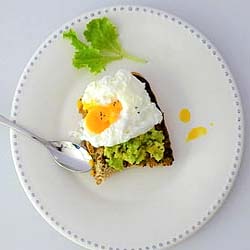
A large poached egg packs roughly 6–7 grams of high-quality protein into a surprisingly lean profile. Because this method requires zero oil or butter, poached egg calories remain impressively low—matching boiled eggs at just 70–78 calories per serving. It is one of the most efficient ways to hit your protein goals without the hidden fats found in frying.
Poached Egg Nutrition at a Glance
-
🥚 1 large poached egg: 70–78 calories
-
💪 Protein: 6–7 grams
-
❌ No added oil or butter
-
⚖️ Lower calories than fried or scrambled eggs
-
🥗 Ideal for weight loss and heart-healthy diets
Why Poached Eggs Are Considered a “Clean” Egg Option
Poached eggs are often recommended in nutrition plans because they strike a balance between taste, texture, and calorie control. Unlike frying or scrambling, poaching cooks the egg gently in water, meaning the calorie content comes entirely from the egg itself.
As a result, poached eggs are widely used in:
-
Calorie-controlled diets
-
Heart-healthy meal plans
-
Weight-loss programs
-
Restaurant breakfasts where fat control matters
This makes poached eggs a reliable choice for people tracking calories accurately.

Calories in a Poached Egg (By Size)
Poached Egg Calories & Protein by Egg Size
| Egg Size | Calories | Protein |
|---|---|---|
| Small poached egg | ~54 | ~4.5 g |
| Medium poached egg | ~63 | ~5.5 g |
| Large poached egg | ~70–78 | ~6–7 g |
| Extra-large poached egg | ~80 | ~7 g |
| Jumbo poached egg | ~90 | ~8 g |
👉 Most nutrition references assume a large egg, which is why poached egg calories are often listed as 70 calories.
Calories in Multiple Poached Eggs
Poached Egg Calories by Quantity (Large Eggs)
| Number of Eggs | Calories | Protein |
|---|---|---|
| 1 poached egg | ~70–78 | ~6–7 g |
| 2 poached eggs | ~140–156 | ~12–14 g |
| 3 poached eggs | ~210–234 | ~18–21 g |
| 4 poached eggs | ~280–312 | ~24–28 g |
For portion-specific guides, see:
Poached Egg Protein Content
Poaching does not reduce protein quality.
A large poached egg still provides:
-
6–7 grams of complete protein
-
All 9 essential amino acids
-
High digestibility and satiety
Because no extra fat is added, poached eggs maintain an excellent protein-to-calorie ratio, making them popular among athletes and people trying to lose fat without sacrificing protein intake.
How Many Calories Are in a Poached Egg White vs Whole Poached Egg?
A poached egg white contains about 15–20 calories, while the yolk contributes roughly 55–60 calories. The yolk also contains most of the egg’s vitamins and healthy fats. For this reason, whole poached eggs are more nutrient-dense, while egg whites are often chosen for very low-calorie or high-protein diets.
👉 Related guide: Egg Whites Only Calories
Do Poached Eggs Lose Nutrients When Cooked?
Poaching is considered one of the gentlest cooking methods. Because eggs are cooked briefly in water without high heat or fat, nutrient loss is minimal. Protein quality remains intact, and most vitamins and minerals are preserved. Compared to frying, poaching avoids oxidation from cooking oils, making it a nutritionally efficient option.
Poached Eggs vs Boiled Eggs Calories
Many people wonder if poached eggs are healthier than boiled eggs.
From a calorie perspective, they are nearly identical.
| Cooking Method | Calories (1 Large Egg) |
|---|---|
| Boiled egg | ~70–78 |
| Poached egg | ~70–78 |
The main difference is texture and taste, not nutrition.
👉 Baseline reference: Boiled Egg Calories & Nutrition
Poached Eggs vs Fried or Scrambled Eggs
This comparison is critical for calorie tracking.
| Cooking Method | Calories (1 Large Egg) |
|---|---|
| Poached egg | ~70–78 |
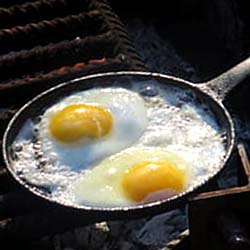
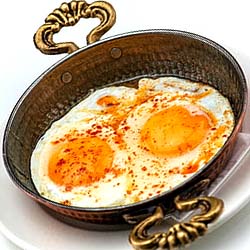
| Fried egg (light oil) | ~90–100 |
| Fried egg (butter/heavy oil) | 120–150+ |
| Scrambled eggs (plain) | ~90–100 |
| Scrambled eggs (with butter/cheese) | 200–300+ |
👉 See full breakdowns:
Are Poached Eggs Healthy?
Yes — for most people, poached eggs are one of the healthiest ways to eat eggs.
They are:
-
Low in calories
-
High in protein
-
Free from added fats
-
Easy to digest
So poached eggs fit well into heart-healthy diets, low-calorie meal plans, and balanced breakfast routines.
Poached Eggs for Weight Loss
Poached eggs are especially popular for weight loss because they:
-
Provide high satiety per calorie
-
Reduce the need for added fats
-
Make portion control easier
That’s why poached eggs are often recommended over fried or heavily scrambled eggs when calories matter.
Poached Eggs and Cholesterol: What to Know
Poaching does not increase cholesterol content. The cholesterol comes from the yolk itself and is the same across all cooking methods. Modern research shows that dietary cholesterol from eggs has little impact on blood cholesterol for most healthy individuals, especially when eggs are eaten as part of a balanced diet.
Common Questions About Poached Eggs (PAA-Optimized)
- How many calories are in a poached egg?
A large poached egg contains about 70–78 calories. - Are poached eggs better than fried eggs?
Yes, poached eggs are lower in calories because no oil or butter is used. - Are poached eggs good for protein?
Yes, each poached egg provides 6–7 grams of complete protein. - Can I eat poached eggs every day?
Most people can safely enjoy poached eggs daily as part of a balanced diet.
Related Egg Nutrition Guides
-
Egg Nutrition Guide: Calories, Protein & Cooking Methods
-
Boiled Egg Calories & Nutrition
-
Fried Egg Calories & Nutrition
-
Scrambled Eggs Calories & Nutrition
-
Egg Whites Only Calories
Final Takeaway
Poached eggs offer the best balance of low calories, high protein, and minimal processing. If you want clean nutrition without added fats, poached eggs are one of the smartest egg choices you can make.
References & Sources
- USDA FoodData Central
Official U.S. government nutrition database used for calorie, protein, fat, and egg size references.
- Egg Nutrition Center (ENC)
Research-backed information on egg nutrition, cooking methods, protein quality, and health effects.
https://www.eggnutritioncenter.org
- Harvard T.H. Chan School of Public Health – Eggs & Health
Evidence-based guidance on eggs, dietary cholesterol, fats, and long-term health outcomes.
https://www.hsph.harvard.edu/nutritionsource/food-features/eggs
- Healthline – Scrambled Eggs Nutrition Facts
Medically reviewed explanations of scrambled egg calories, ingredients, and cooking variations.
- Cleveland Clinic – Eggs and Cholesterol
Clinical insights on egg consumption, heart health, and cholesterol myths.
https://health.clevelandclinic.org/eggs-and-cholesterol
- National Institutes of Health (NIH) – Protein and Diet
Scientific research on protein intake, digestion, and nutrient bioavailability.
Disclaimer
This poached Eggs content is provided for informational and educational purposes only and is based on general nutrition data from reputable sources. Calorie and nutrition values may vary depending on egg size, ingredients, cooking methods, and portion sizes. This information is not intended as medical, dietary, or nutritional advice. For personalized health or diet recommendations, please consult a qualified healthcare professional or registered dietitian.