


Table of Contents
An animal-based diet meal plan provides a structured way to organize meat, eggs, dairy, fish, and selected fruit throughout the week. A 7-day animal-based diet meal plan turns that approach into a practical weekly schedule with meals, preparation steps, and a grocery list.
Most plans focus on batch-cooking proteins like ground beef, chicken thighs, and roasts, with added bone broth for electrolyte support and optional berries for variety.
What is a 7-day animal-based meal plan?
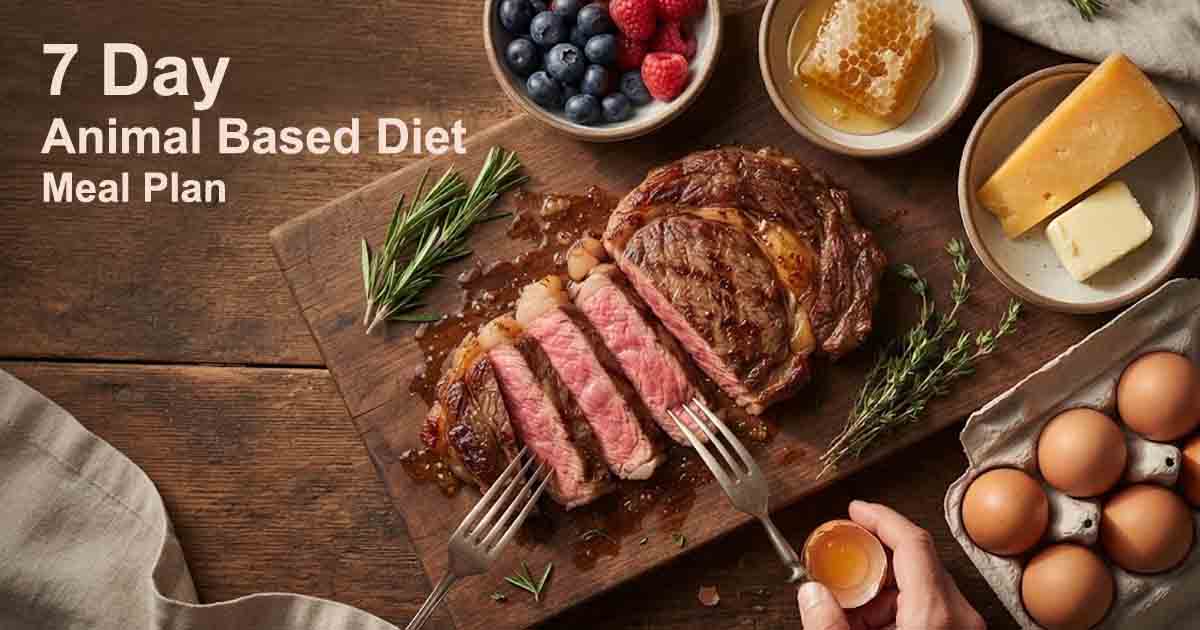
A 7-day animal-based meal plan is a weekly eating framework that emphasizes animal-sourced foods while minimizing or excluding most plant foods. It provides structure for beginners who want to follow an animal-based pattern without guessing what to eat each day.
Typical components include:
-
Proteins: beef, pork, lamb, poultry, eggs, fish
-
Organ meats: liver, heart, kidney (usually 1–2 servings per week)
-
Dairy: butter, cheese, cream, yogurt (for those who tolerate it)
-
Limited fruit: berries, citrus, melons (optional, in small amounts)
-
Fats: tallow, lard, butter, ghee
-
Bone broth: for electrolytes and hydration support
This approach differs from strict carnivore plans by often including some fruit, honey, and dairy, making it more flexible for beginners and families.
Why use a weekly meal plan?
Weekly meal planning offers several practical benefits, especially for dietary patterns that require more intentional food selection.
Time savings
Research on meal planning behaviors has found that people who plan meals weekly spend less time cooking overall and report less stress around mealtime decisions.
Better adherence
Studies on dietary adherence show that having a pre-structured plan reduces decision fatigue and makes it easier to stick with a chosen eating pattern.
Cost control
Batch cooking and planned shopping lists help reduce food waste and impulse purchases, which can lower weekly grocery spending.
Nutrient consistency
A structured plan makes it easier to include nutrient-dense foods like organ meats and fatty fish regularly, rather than relying on random food choices.
Evidence note: Meal planning benefits are well-documented in behavioral nutrition research (Tier A/B). Specific data on “animal-based meal plans” are limited to expert guidance and community reports (Tier C/E).

How to start: Key principles before you begin
1. Define your version
Animal-based eating exists on a spectrum. Decide early whether you’ll include:
-
Dairy (butter, cheese, yogurt)
-
Fruit (berries, citrus)
-
Honey or other sweeteners
-
Eggs (almost universally included)
This affects your grocery list and meal variety.
2. Plan for electrolytes
When reducing carbohydrates, the body excretes more sodium and water. Many people report fatigue, headaches, or dizziness during the first week when transitioning to lower-carb eating if electrolytes aren’t adequately supported.
Bone broth, added salt, and fatty fish can help support sodium, potassium, and magnesium levels.
Don’t overcomplicate your first week. Focus on:
-
2–3 repeatable breakfast options
-
3–4 dinner recipes you can rotate
-
Simple snacks (hard-boiled eggs, cheese, canned fish)
Complexity increases dropout risk.
4. Batch-cook proteins
Cooking large quantities of meat at once (e.g., a chuck roast, tray of chicken thighs, or batch of ground beef patties) saves time and ensures you always have something ready to eat.
7-day meal plan overview (hypothetical example)
This is a hypothetical example to illustrate how a 7-day animal-based meal plan might look. It is not a medical recommendation or a claim about outcomes. Individual needs vary based on age, activity level, health status, and goals.
Imagine someone who:
Eats 2 meals per day (some prefer 3)
Tolerates dairy
Includes small amounts of fruit
Eats liver once during the week
Uses batch-cooked proteins to save time
This framework can be adapted for budget, availability, and personal preference. For example, cheaper cuts (ground beef, chicken thighs) can replace premium steaks; canned fish can replace fresh fish when cost or access is an issue.
Printable Grocery List
This list is designed as a practical starting point for your first week. Adjust quantities based on your household size, appetite, and budget.
Meat counter
-
Ground beef (2–3 lbs, regular or lean)
-
Chuck roast or brisket (3–5 lbs, for slow cooking)
-
Chicken thighs (bone-in, skin-on, 3–4 lbs)
-
Pork chops or pork shoulder (2–3 lbs)
-
Beef liver (8–12 oz, for one meal)
-
Optional: chicken heart, kidney, or other organs (small amounts)
Seafood
-
Salmon fillets (2, fresh or frozen)
-
Canned sardines or tuna (4–6 cans)
-
Shrimp (1–2 lbs, frozen is fine)
-
Optional: mussels, oysters, or other shellfish
Eggs and dairy
-
Large eggs (2–3 dozen)
-
Butter (grass-fed if available, 1–2 lbs)
-
Ghee (optional, for higher-heat cooking)
-
Aged cheese (cheddar, parmesan, gouda, 1–2 lbs)
-
Full-fat plain yogurt or kefir (optional, 1–2 large containers)
-
Heavy cream (1–2 pints, for coffee or desserts)
Fruit (optional, limited)
-
Blueberries, raspberries, blackberries, or strawberries (2–3 cups total)
-
Oranges, lemons, or limes (4–6 pieces)
-
Watermelon or cantaloupe (1 small melon)
-
Optional: mango or papaya (1–2 pieces)
Fats and extras
-
Beef tallow or pork lard (for cooking)
-
Bone broth (beef or chicken, 4–8 cups, homemade or store-bought)
-
Salt (redmond real salt or sea salt, for electrolytes)
-
Pepper, basic herbs/spices (optional, many accept these)
-
Raw honey (small jar, optional)
Meal prep Sunday: Batch-cook your week in ~2 hours
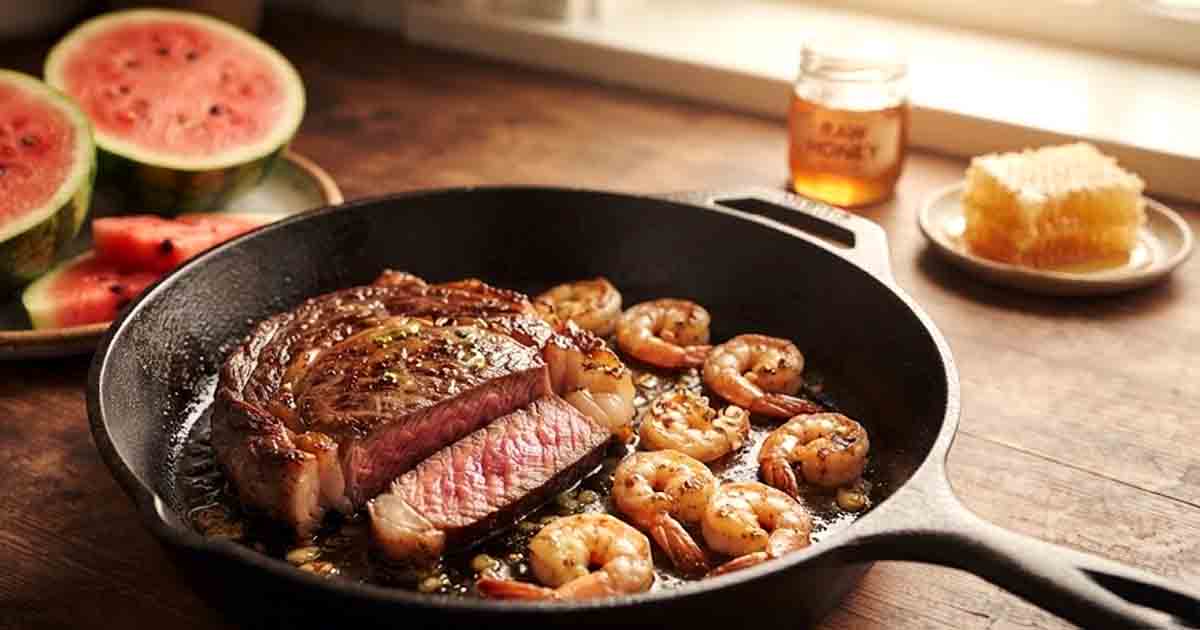
Batch cooking is one of the most time-efficient strategies for maintaining an animal-based pattern long-term. Here’s a simple workflow:
Step 1: Prep your proteins (60–75 minutes)
-
Slow-cooker or oven roast: Place chuck roast or brisket in slow cooker with salt and water/bone broth. Cook on low 8–10 hours or in oven at 275°F (135°C) for 4–5 hours.
-
Oven-baked chicken: Arrange chicken thighs on a baking sheet, season with salt, and roast at 400°F (200°C) for 35–40 minutes.
-
Stovetop ground beef: Brown 2–3 lbs of ground beef in a large skillet with butter or tallow. Season with salt. Divide into portions.
Step 2: Prepare supporting items (30–45 minutes)
-
Hard-boiled eggs: Boil 12–18 eggs for easy snacks and breakfasts.
-
Bone broth: If making from scratch, start bones simmering (this runs parallel to other tasks). Otherwise, heat store-bought broth and portion into containers.
-
Portion and store: Divide cooked meats into meal-sized portions. Store in airtight containers in the fridge (up to 4 days) or freezer (up to 3 months). Always refrigerate cooked meats within 2 hours of cooking and reheat to an internal temperature of at least 165°F (74°C) for food safety.
Step 3: Quick-cook items during the week
Not everything needs to be prepped Sunday. Plan to cook fresh:
-
Fish fillets (15–20 minutes in pan or oven)
-
Pork chops (10–15 minutes pan-fried)
-
Liver (5–8 minutes sautéed, once during the week)
-
Shrimp or shellfish (5–10 minutes)
Electrolyte support & bone broth
Electrolyte imbalances are commonly reported during the first 1–2 weeks of lower-carb, animal-forward eating patterns.
Why electrolytes matter
When carbohydrate intake drops, insulin levels decrease, signaling the kidneys to excrete more sodium. Water follows sodium, which can lead to dehydration and loss of potassium and magnesium.
Food-based strategies
-
Bone broth: Provides sodium, potassium, magnesium, collagen, and gelatin. Homemade broth allows control over salt content.
-
Added salt: Don’t shy away from salting food to taste, especially in the first weeks.
-
Fatty fish: Sardines, salmon, and mackerel provide sodium, potassium, and calcium (especially if eaten with bones).
Simple bone broth recipe
Ingredients:
-
2–3 lbs beef or chicken bones (marrow bones, knuckles, or carcass)
-
2 tbsp apple cider vinegar (optional, helps extract minerals)
-
Water to cover (about 12–16 cups)
-
Salt to taste (add after cooking)
Method:
-
Place bones in a large pot or slow cooker.
-
Add vinegar and cover with water.
-
Bring to a boil, then reduce to a low simmer.
-
Simmer 12–24 hours for beef, 8–12 hours for chicken.
-
Strain, salt to taste, and store in fridge (up to 5 days) or freeze.
Evidence note: Nutrient composition of bone broth (collagen, gelatin, minerals) is well-established (Tier A). Clinical outcome data on bone broth specifically are limited (Tier B/C).
Budget tips: Feed a family for under $100/week
Animal-based eating can be done affordably with smart shopping and cut selection.
Cheap protein sources
-
Ground beef: Often the most cost-effective protein per pound. Buy in bulk when on sale.
-
Chuck roast/brisket: Cheaper than steaks, excellent for slow cooking.
-
Chicken thighs: Usually less expensive than breasts, more flavorful, higher fat.
-
Pork shoulder: Very affordable, versatile for roasting or slow cooking.
-
Canned fish: Sardines and tuna are inexpensive, shelf-stable, nutrient-dense.
Cost-saving strategies
-
Buy in bulk: Purchase larger packs of ground beef, chicken, or roasts when priced low. Freeze in portions.
-
Watch sales cycles: Learn your store’s weekly rotation (e.g., beef on sale week 1, chicken week 2). Stock up accordingly.
-
Use cheaper cuts: Chuck, shoulder, shanks, and organ meats are nutrient-dense and budget-friendly.
-
Limit premium items: Reserve steaks, lamb, and specialty seafood for occasional meals.
-
Share with family/friends: Split bulk purchases (e.g., quarter cow, whole lamb) with others to reduce per-pound cost.
Estimated weekly cost (example, U.S. pricing)
-
Ground beef (3 lbs @ $5/lb): $15
-
Chuck roast (4 lbs @ $6/lb): $24
-
Chicken thighs (4 lbs @ $3/lb): $12
-
Pork chops (2 lbs @ $5/lb): $10
-
Eggs (3 dozen @ $4/dozen): $12
-
Butter (1 lb @ $5/lb): $5
-
Cheese (1 lb @ $6/lb): $6
-
Canned fish (6 cans @ $2/can): $12
-
Fruit (berries, citrus, melon): $10
-
Bone broth (or bones for homemade): $5–$10
Total estimate: ~$91–$106, depending on location and sales.
Note: Prices vary significantly by region, store, and season. Adjust based on your local market.
Animal-based vs carnivore meal plans: What’s the difference?
This table reflects common patterns described in expert guidance and community practice; individual implementations vary.

How to add organ meats without getting bored
Organ meats are nutrient-dense but can be intimidating for beginners. Here are practical strategies:
1. Start small
Begin with 4–6 oz of liver per serving, once per week. This provides nutrient benefits without overwhelming your palate or risking excessive vitamin A intake.
2. Mix into ground meat
Blend finely minced liver (10–20% of total weight) into ground beef patties or meatballs. The flavor is muted, making it easier to tolerate.
3. Try different organs
-
Liver: Most nutrient-dense, strongest flavor
-
Heart: Milder taste, meaty texture, high in CoQ10
-
Kidney: Distinct flavor, rich in selenium and B12
-
Tongue: Tender, mild, high in fat
4. Use pâté or liverwurst
Pre-made liver pâté or liverwurst (check ingredients for non-animal additives) can be spread on cheese slices or eaten with butter for an easy option.
5. Rotate frequency
Aim for liver 1–2 times per week, other organs less frequently. This balances nutrient intake with variety.
Who might need extra caution?
Certain groups should be particularly careful and consider discussing any major dietary change with a qualified clinician:
-
People with established cardiovascular disease, especially if advised to limit saturated fat
-
Individuals with chronic kidney disease or significant kidney impairment
-
Pregnant or breastfeeding people (due to vitamin A and overall nutrient balance considerations)
-
People with a history of eating disorders
-
Children and teens, whose growth needs differ from adults
This is not a complete list. Individual medical history, current medications, and recent lab results all matter when deciding whether this pattern is appropriate.
FAQs
Q: What is a 7-day animal-based meal plan?
A: A 7-day animal-based meal plan is a weekly eating framework that emphasizes meat, organs, eggs, dairy (if tolerated), fish, and limited fruit, with structured daily meals and a grocery list.
Q: How do I print a grocery list for this diet?
A: Many resources offer downloadable PDF grocery lists. You can also create your own using the list in this article and save it as a PDF for printing.
Q: What should I buy for my first week?
A: Focus on ground beef, chicken thighs, eggs, butter, cheese, a roast for batch cooking, canned fish, optional berries, and bone broth or bones for broth.
Q: How can I meal prep for the week in 2 hours?
A: Batch-cook proteins (roast, ground beef, chicken) on Sunday, boil eggs, and portion everything into containers. Cook fresh fish or pork chops during the week.
Q: How often should I eat organ meats like liver?
A: Many guides suggest small portions of liver (e.g., 100–200 g) once or twice per week to avoid excessive vitamin A while still gaining nutrient benefits.
Q: Do I need to drink bone broth for electrolytes?
A: Bone broth is one option for electrolyte support. Added salt, fatty fish, and mineral-rich foods also help. Supplementation may be needed for some individuals.
Q: Can I include berries and dairy in my weekly plan?
A: Yes, many animal-based approaches allow limited berries and dairy (butter, cheese, yogurt) if tolerated. Strict carnivore versions exclude these.
Q: Is there a cheap way to do this for a family?
A: Yes, using cheaper cuts (ground beef, chuck roast, chicken thighs), buying in bulk, and watching sales can keep weekly costs under $100 for many households.
Q: Can my kids eat this way too?
A: Some families include children in animal-based eating, but growth and nutrient needs differ from adults. Consult a pediatrician or registered dietitian before making significant dietary changes for kids.
Q: What if I can’t afford grass-fed or organic?
A: Conventional animal foods still fit the pattern. Prioritize budget-friendly cuts and buy grass-fed/organic when feasible, but don’t let cost prevent you from starting.
Key takeaways
-
A 7-day animal-based meal plan provides structure, simplicity, and a printable grocery list for beginners.
-
Core foods include ground beef, chicken thighs, roasts, eggs, dairy (if tolerated), fish, and optional berries.
-
Batch-cooking proteins on Sunday saves time and improves adherence throughout the week.
-
Bone broth and added salt support electrolyte balance during the transition phase.
-
Budget-friendly options (cheaper cuts, bulk buying, sales cycling) make this pattern accessible for families.
-
Individual needs vary; medical guidance and monitoring are important, especially for those with existing health conditions.
References:
-
PubMed / PubMed Central (NIH)
https://pubmed.ncbi.nlm.nih.gov/-
Search database for peer-reviewed studies on meal planning, low-carb diets, electrolytes, bone broth/collagen, and nutrient composition of animal foods.
-
-
World Health Organization (WHO) – Nutrition and Food Safety
https://www.who.int/health-topics/nutrition-and-food-safety-
Global guidance on diet, nutrient intake, and public health recommendations relevant to high-protein/animal-forward eating patterns.
-
-
NHS (UK National Health Service) – Live Well / Food & Diet
https://www.nhs.uk/live-well/eat-well/-
Evidence-based advice on balanced eating, food safety, batch cooking, and meal planning from a major national health service.
-
-
U.S. Department of Agriculture (USDA) – FoodData Central
https://fdc.nal.usda.gov/-
Official nutrient database for looking up exact nutrient values of meats, organs, dairy, eggs, fish, and other animal-based foods.
-
-
National Institutes of Health (NIH) – Office of Dietary Supplements
https://ods.od.nih.gov/-
Fact sheets on key nutrients (vitamin A, B12, iron, sodium, potassium, magnesium, collagen-related compounds) relevant to animal-based eating and electrolyte support.
-
Disclaimer:
This article is for informational and educational purposes only and is not intended as medical advice, diagnosis, or treatment. An animal-based diet may not be appropriate for everyone, and individual needs vary based on health status, medications, and goals. Always consult with a qualified healthcare professional or registered dietitian before making significant changes to your diet, especially if you have existing medical conditions, are pregnant or breastfeeding, or are considering this pattern for a child or teen. The information provided is based on current evidence and expert guidance but does not replace personalized clinical care. Price estimates mentioned are examples only and vary significantly by region, store, season, and availability — verify current prices in your local market.