


Table of Contents
An animal based diet food list centers on meat, organs, eggs, fish, and dairy, with some versions also allowing limited fruit and raw honey.
Most people focus on beef, pork, poultry, seafood, whole eggs, butter, cheese, and a few low-fiber fruits like berries, while avoiding grains, legumes, seed oils, and most processed plant foods.
What is an animal-based diet?
An animal-based diet is an eating pattern that emphasizes foods from animal sources while minimizing or excluding most plant foods. Definitions vary, but most descriptions include:
-
Muscle meats (beef, pork, lamb, poultry)
-
Organ meats (liver, heart, kidney)
-
Eggs
-
Fish and seafood
-
Dairy (butter, cheese, cream, yogurt) for those who tolerate it
-
Sometimes limited fruit and raw honey
This pattern overlaps with carnivore, keto, and paleo diets but is not identical to any of them. Strict carnivore versions exclude all plant foods, while many animal-based approaches allow some fruit, honey, and dairy.
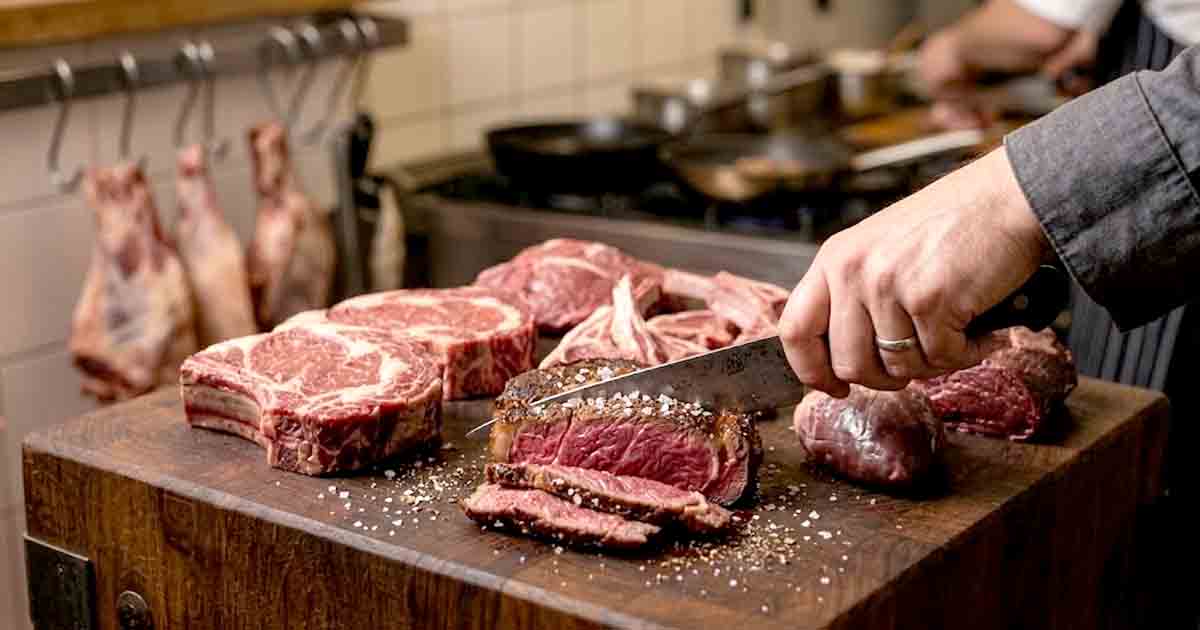
Core foods allowed on an animal-based diet
Muscle meats
These form the bulk of calories and protein for most people.
Common choices include:
-
Beef: ground beef, steaks (ribeye, sirloin), roasts, brisket
-
Pork: chops, tenderloin, bacon (check for added sugar), ham
-
Lamb and goat
-
Poultry: chicken (thighs, drumsticks, breasts), turkey, duck
-
Game meats: bison, venison, elk
Practical note: Fattier cuts often improve satiety on lower-carb patterns, but individual needs vary.
Organ meats
Organ meats are nutrient-dense and often emphasized in animal-based patterns.
Key examples:
-
Liver (beef, chicken): very high in vitamin A, B12, folate, copper, and iron
-
Heart: rich in CoQ10, B vitamins, and protein
-
Kidney: good source of selenium, B12, and iron
-
Other organs: spleen, pancreas, tongue (less common but included by some)
Typical frequency used in practice:
Many clinicians and experienced followers suggest small portions of liver (e.g., 100–200 g) once or twice per week, with other organs used less frequently. This is based on nutrient density and the risk of excessive vitamin A if liver is eaten daily.
Evidence note: Nutrient composition data for organ meats are well established (Tier A). Long-term outcome data specifically on organ meat frequency within an “animal-based diet” are limited (Tier B/C).
Eggs
Whole eggs from chickens, ducks, or other birds are commonly included.
-
Provide protein, fat, choline, B12, vitamin D (depending on feed), and minerals
-
Pasture-raised or omega-3–enriched eggs are often preferred, but conventional eggs are still animal-based
-
Eggs can serve as quick meals or snacks (e.g., hard-boiled eggs for travel).
Fish and seafood
Fish and shellfish add variety and omega-3 fats.
Common options:
-
Fatty fish: salmon, mackerel, sardines, herring
-
White fish: cod, haddock, tilapia
-
Shellfish: shrimp, crab, lobster, oysters, mussels
Canned fish (sardines, tuna, salmon) are practical for travel and busy days.
Dairy (if tolerated)
Dairy inclusion depends on individual tolerance to lactose and milk proteins.
Frequently used dairy foods:
-
Butter and ghee: cooking fats, flavor enhancers
-
Heavy cream: for coffee, sauces, desserts
-
Cheese: aged cheddar, parmesan, gouda, brie (lower in lactose)
-
Yogurt and kefir: full-fat, plain, ideally fermented
Some people limit milk itself due to higher lactose load, while tolerating aged cheese and butter better.
Evidence note: Dairy research shows mixed associations with cardiometabolic outcomes depending on type (fermented vs non-fermented, full-fat vs low-fat) and population. No consensus supports dairy as universally “good” or “bad” within an animal-based pattern.

Fruit and sweeteners (in some versions)
Not all animal-based approaches allow fruit, but many do in limited amounts.
Commonly accepted fruits:
-
Berries: blueberries, raspberries, blackberries, strawberries
-
Citrus: oranges, lemons, limes, grapefruit
-
Melons: watermelon, cantaloupe, honeydew
-
Occasional tropical fruits: mango, papaya, pineapple, kiwi
Sweeteners:
-
Raw honey and honeycomb are the most commonly accepted sweeteners in small amounts.
-
Refined sugar, artificial sweeteners, and most syrups are typically excluded.
Fruit is often treated as a “condiment” rather than a staple, with emphasis on lower-fiber, lower-fructose options for those sensitive to carbs or gut irritants.
Animal fats and cooking oils
Fats from animal sources are used for cooking and energy.
Examples:
-
Beef tallow
-
Pork lard
-
Chicken or duck fat (schmaltz)
-
Butter and ghee
-
Fish-based fats (e.g., cod liver oil as a supplement, not a cooking oil)
Seed oils (soybean, canola, corn, sunflower, etc.) are generally excluded in animal-based patterns due to their fatty acid profile and processing methods.
Foods typically avoided
Most animal-based approaches limit or exclude:
-
Grains: wheat, rice, oats, corn, barley, rye
-
Legumes: beans, lentils, peas, soy products
-
Seed oils and products high in them (many processed snacks, fried foods)
-
Most vegetables, especially high-fiber or high-oxalate types (some versions allow limited low-toxin vegetables)
-
Refined sugars and artificial sweeteners
-
Highly processed plant-based meat substitutes
Because most plant foods (and therefore fiber sources) are limited, people following this pattern often need to pay attention to digestion and discuss fiber-related considerations with a clinician.
The exact list varies by individual tolerance and interpretation of “animal-based.”
Animal-based vs carnivore vs keto vs paleo
This table reflects common patterns described in expert guidance and community practice; individual implementations vary

Sample animal-based diet food list (grocery-oriented)
This list is designed as a practical starting point, not a prescription. Adjust portions and frequency based on your needs, budget, and tolerance.
Meats
-
Ground beef (regular or lean, depending on preference)
-
Steaks (ribeye, sirloin, New York strip)
-
Roasts (chuck, brisket)
-
Pork chops, pork tenderloin, bacon (sugar-free if possible)
-
Chicken thighs, drumsticks, whole chicken
-
Turkey (ground or whole)
-
Canned fish (sardines, tuna, salmon)
-
Fresh fish (salmon, cod, mackerel)
-
Shellfish (shrimp, oysters, mussels)
Organ meats
-
Beef liver (fresh or frozen)
-
Chicken liver
-
Beef heart (less common, but available from some butchers)
-
Pre-made liverwurst or pâté (check ingredients for non-animal additives).
Eggs
-
Large eggs (conventional, pasture-raised, or omega-3–enriched)
-
Hard-boiled eggs (pre-cooked or homemade)
Dairy (if tolerated)
-
Butter (grass-fed if available)
-
Ghee
-
Heavy cream
-
Aged cheeses (cheddar, parmesan, gouda)
-
Full-fat plain yogurt or kefir
Fruit (optional, limited)
-
Blueberries, raspberries, blackberries, strawberries
-
Oranges, lemons, limes
-
Watermelon, cantaloupe
-
Occasional mango or papaya
Fats and extras
-
Beef tallow, pork lard
-
Bone broth (beef or chicken)
-
Salt, pepper, basic herbs/spices (many people accept these even on stricter versions)
-
Raw honey (small amounts)
Simple 7-day meal framework (example only)
This is a hypothetical example to illustrate how the food list might be used. It is not a medical recommendation or a claim about outcomes.
Imagine someone who:
Eats two meals per day
Tolerates dairy
Includes small amounts of fruit
Eats liver once per week
Monday
-
Breakfast: 3–4 eggs cooked in butter, side of berries
-
Dinner: Ribeye steak, beef liver (small portion), bone broth
Tuesday
-
Breakfast: Full-fat Greek yogurt with a few raspberries
-
Dinner: Ground beef patties, sliced cheese, orange slices
Wednesday
-
Breakfast: Leftover ground beef reheated with butter
-
Dinner: Baked salmon, shrimp sautéed in tallow, watermelon
Thursday
-
Breakfast: Omelet with cheese, cooked in ghee
-
Dinner: Roast chicken thighs, chicken heart (small portion), heavy cream with berries
Friday
-
Breakfast: Hard-boiled eggs, cheese sticks
-
Dinner: Pork chops, canned sardines as a side, lemon wedges
Saturday
-
Breakfast: Scrambled eggs with butter, a few blueberries
-
Dinner: Brisket slow-cooked in its own fat, side of melon
Sunday
-
Breakfast: Leftover brisket, butter coffee (coffee + butter/ghee)
-
Dinner: Mixed seafood (shrimp, mussels), beef tallow–roasted organ mix (small portion)
This framework can be adapted for budget, availability, and personal preference. For example, cheaper cuts (ground beef, chicken thighs) can replace premium steaks; canned fish can replace fresh fish when cost or access is an issue.

Snacks and travel-friendly options
For people who need portable foods:
-
Hard-boiled eggs
-
Beef jerky or biltong (check for added sugar/seed oils)
-
Canned fish (sardines, tuna, salmon)
-
Cheese sticks or chunks
-
Pork rinds (plain, no vegetable-oil seasoning)
-
Small containers of heavy cream or full-fat yogurt
-
Fresh fruit (berries, oranges) for those including fruit
These options align with common “animal-based” definitions and are frequently mentioned in community discussions and practitioner guidance.
What does the evidence say?
Weight and metabolic markers
Research on higher-protein, lower-carbohydrate eating patterns (which overlap with many animal-based approaches) has found:
-
Greater short-term weight loss compared with some higher-carb diets in certain trials
-
Improvements in triglycerides, HDL cholesterol, and blood sugar markers in some groups
Research on higher-protein, lower-carbohydrate eating patterns has found they can support weight loss in some individuals, though these studies are not specific to a branded “animal-based diet.”
Wording note: These findings come from studies on low-carb/high-protein patterns in general, not specifically branded “animal-based diet” trials.
Red and processed meat
Large observational studies have reported associations between high intakes of processed and red meat and higher risks of cardiovascular disease, type 2 diabetes, and some cancers.
-
These are associations, not proof that meat itself causes these outcomes in all contexts.
-
Factors like overall diet quality, smoking, activity, and processed food intake also matter.
Dairy
Evidence on dairy is mixed:
-
Some studies link fermented dairy (yogurt, kefir, certain cheeses) with neutral or modestly beneficial metabolic markers.
-
Other work highlights concerns about saturated fat or individual tolerance issues.
No consensus currently supports a single “dairy is always good/bad” position within an animal-based pattern.
Organ meats
Nutrient analyses clearly show that organ meats are dense in vitamins and minerals (vitamin A, B12, iron, copper, CoQ10, etc.).
-
Long-term outcome data specifically on organ meat frequency in humans are limited.
-
Excessive liver intake can lead to very high vitamin A intake, which is why many guides suggest moderation.
Long-term safety of “animal-based diet” patterns
There are no large, long-term randomized trials specifically testing an “animal-based diet” as a defined protocol against other dietary patterns.
-
Most long-term data come from observational studies of meat, dairy, and fish intake within broader dietary patterns.
-
Expert opinions differ: some clinicians report positive experiences in selected patients; others express concern about fiber, micronutrient balance, and cardiometabolic risk.

Who might need extra caution?
Certain groups should be particularly careful and consider discussing any major dietary change with a qualified clinician:
-
People with established cardiovascular disease, especially if advised to limit saturated fat
-
Individuals with chronic kidney disease or significant kidney impairment
-
Pregnant or breastfeeding people (due to vitamin A and overall nutrient balance considerations)
-
People with a history of eating disorders
-
Children and teens, whose growth needs differ from adults.
This is not a complete list. Individual medical history, current medications, and recent lab results all matter when deciding whether this pattern is appropriate.
How to talk to your doctor
If you’re considering or already following an animal-based pattern, useful topics to discuss with a clinician include:
-
Your reasons for choosing this pattern (weight, energy, blood sugar, digestion, etc.)
-
Any existing conditions or medications
-
Plans for monitoring: weight, blood pressure, lipids, glucose, kidney function, liver enzymes, micronutrient status (e.g., iron, B12, vitamin A)
-
How you’ll ensure adequate nutrient intake over time (especially if excluding entire food groups)
Bringing a simple food diary or a version of the food list above can make the conversation more concrete.
Practical tips for getting started
-
Start with a simple food list.
Focus on a short set of meats, eggs, dairy (if tolerated), and a few fruits. Avoid overcomplicating at first. -
Test dairy tolerance.
If unsure, try butter/ghee first, then aged cheese, then heavier dairy like milk or yogurt, noting any digestive or skin changes. -
Include organs gradually.
Begin with small portions of liver (e.g., once a week) and observe how you feel before increasing frequency. -
Plan snacks and travel foods.
Keep hard-boiled eggs, canned fish, cheese, and jerky available to avoid defaulting to non-aligned options. -
Monitor and adjust.
Track energy, digestion, sleep, mood, and any lab changes with your clinician. Adjust food choices based on your response, not just theory.
Key takeaways
-
An animal-based diet food list emphasizes meat, organs, eggs, fish, and dairy, with some versions allowing limited fruit and raw honey.
-
Core foods include beef, pork, poultry, seafood, whole eggs, butter, cheese, and select berries and citrus.
-
Grains, legumes, seed oils, and most processed plant foods are typically excluded.
-
Evidence supports some aspects (nutrient density of organs, effects of higher-protein/lower-carb patterns) but long-term, diet-specific trials are limited.
-
Individual responses vary; medical guidance and monitoring are important, especially for people with existing health conditions.
FAQs
Q: What can I eat on an animal-based diet?
A: You can eat meat, organs, eggs, fish, and dairy. Some versions also allow limited fruit (like berries and citrus) and raw honey, while avoiding grains, legumes, seed oils, and most processed plant foods.
Q: Is fruit allowed on an animal-based diet?
A: Many animal-based approaches allow limited fruit, especially berries, citrus, and melons. Fruit is usually treated as a condiment rather than a staple.
Q: Can I eat dairy on an animal-based diet?
A: Dairy is often included if tolerated. Common choices are butter, ghee, heavy cream, aged cheese, and full-fat yogurt or kefir.
Q: How often should I eat organ meats like liver?
A: Many guides suggest small portions of liver (e.g., 100–200 g) once or twice per week to avoid excessive vitamin A while still gaining nutrient benefits.
Q: What’s the difference between animal-based and carnivore diets?
A: Animal-based diets may include some fruit, honey, and dairy, while strict carnivore diets typically exclude all plant foods and focus almost exclusively on animal products.
Q: Is an animal-based diet safe long-term?
A: There are no large, long-term randomized trials specifically on “animal-based diet” patterns. Most long-term data come from broader studies on meat, dairy, and fish intake, and expert opinions differ.
Q: Who should be especially careful with this diet?
A: People with cardiovascular disease, kidney disease, pregnant or breastfeeding individuals, those with a history of eating disorders, and children/teens should be especially cautious and consult a clinician.
Q: How do I start an animal-based diet?
A: Start with a simple food list (meats, eggs, dairy if tolerated, a few fruits), test dairy tolerance, include organs gradually, plan portable snacks, and monitor how you feel with a clinician’s guidance.
Reviewed by Dr. Evelyn Karen, M.D., Ph.D. (Certified Dietitian and Preventive Medicine Expert)
Disclaimer:
This article is for informational and educational purposes only and is not intended as medical advice, diagnosis, or treatment. An animal-based diet may not be appropriate for everyone, and individual needs vary based on health status, medications, and goals. Always consult with a qualified healthcare professional or registered dietitian before making significant changes to your diet, especially if you have existing medical conditions, are pregnant or breastfeeding, or are considering this pattern for a child or teen. The information provided is based on current evidence and expert guidance but does not replace personalized clinical care.
References:
-
National Institutes of Health (NIH) – Office of Dietary Supplements
https://ods.od.nih.gov/-
U.S. government resource with fact sheets on nutrients (vitamin A, B12, iron, etc.) found in animal foods.
-
-
U.S. Department of Agriculture (USDA) – FoodData Central
https://fdc.nal.usda.gov/-
Official nutrient database for foods (meats, organs, dairy, eggs, fish) used by researchers worldwide.
-
-
World Health Organization (WHO) – Nutrition and Food Safety
https://www.who.int/health-topics/nutrition-and-food-safety-
Global guidance on diet, meat intake, and public health recommendations.
-
-
Harvard T.H. Chan School of Public Health – The Nutrition Source
https://www.hsph.harvard.edu/nutritionsource/-
Evidence-based articles on protein sources, red meat, dairy, and dietary patterns.
-
-
Cleveland Clinic – Health Library (Nutrition & Diet)
https://my.clevelandclinic.org/health/treatments-
Clinician-reviewed content on diets (including carnivore, keto, paleo) and their risks/benefits.
-