
Table of Contents
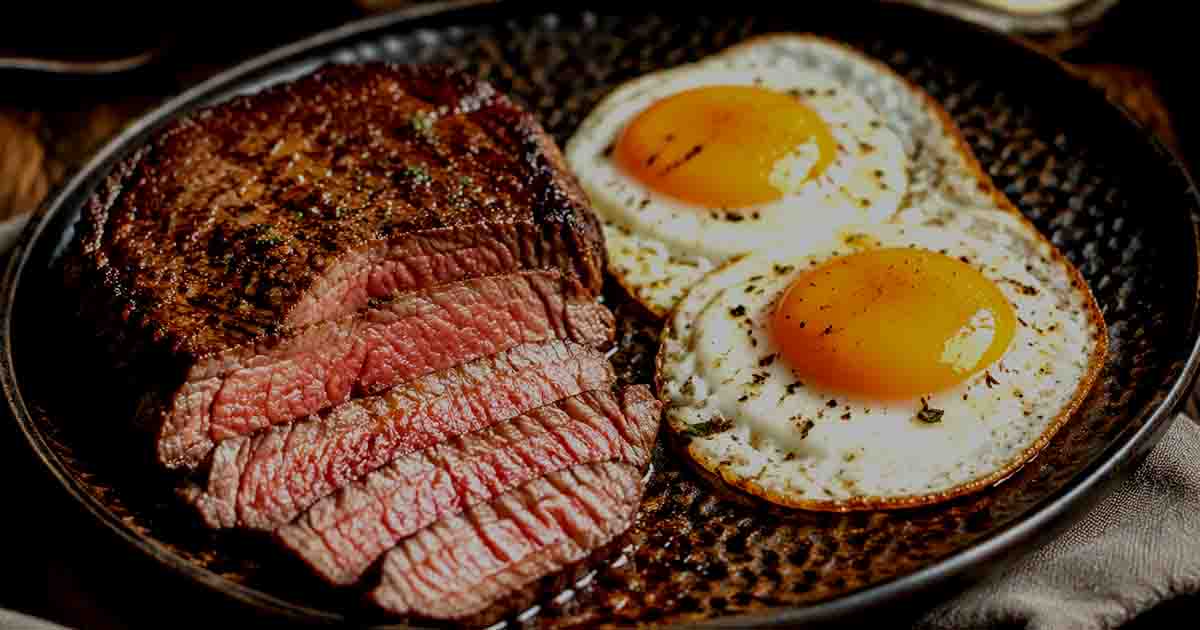
Ribeye steak and eggs is a high-protein meal that pairs a seared, well-marbled ribeye with fried, scrambled, or poached eggs. An 8-ounce ribeye with two large eggs runs roughly 650–800 calories, 50–58 grams of protein, and 45–55 grams of fat, with close to zero carbs.
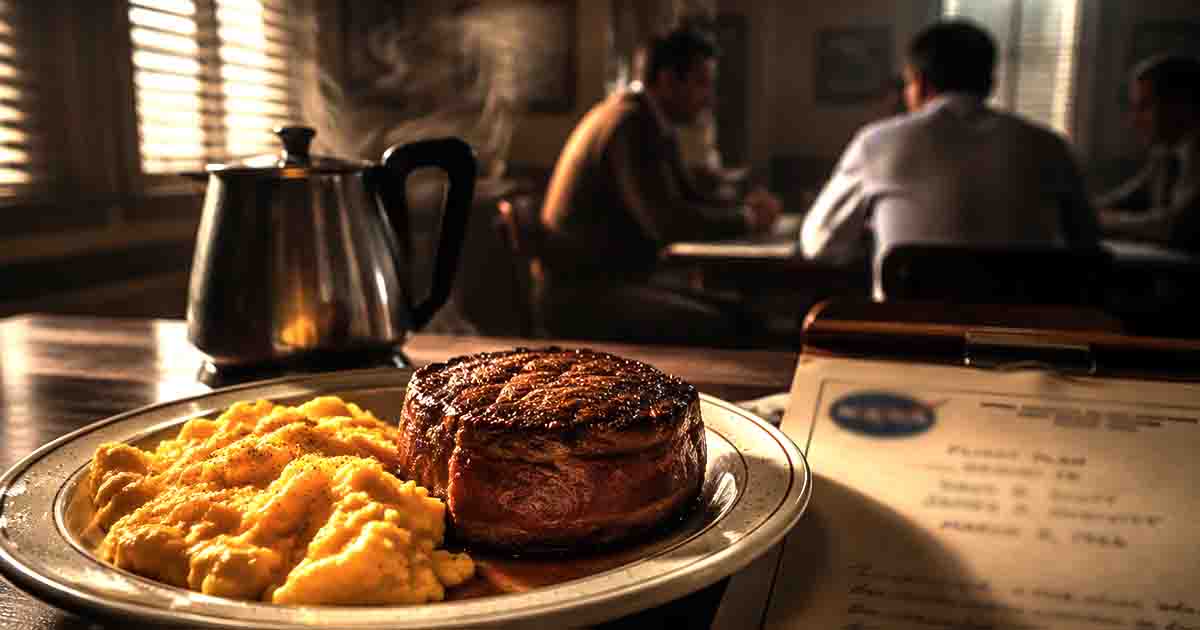
It’s a staple for keto, carnivore, and high-protein eaters, and it’s the meal NASA astronauts have eaten before launch since 1961.

Why Ribeye Steak and Eggs Works
This isn’t a novelty breakfast. The fat and protein combination digests slowly, so it holds off hunger for hours in a way a bowl of cereal can’t.
Ribeye brings iron, zinc, and B12. Eggs add choline, which supports brain and liver function. Together they cover more ground nutritionally than most single-ingredient breakfasts.
What Is Ribeye Steak and Eggs?
It’s a ribeye steak — usually pan-seared or grilled — served alongside eggs cooked however you like them. The combination started as a working man’s breakfast in 19th-century Australia and later became an American diner and steakhouse staple.
The ribeye comes from the rib section of the cow, ribs six through twelve. It’s cut from the longissimus dorsi muscle, which does very little work as the animal moves, so it stays tender. That’s also why the fat marbling runs straight through the meat instead of sitting in a single strip.
Is ribeye and Scotch fillet the same cut?
Yes. In Australia and New Zealand, the boneless version of this cut is called “Scotch fillet” (or “rib fillet”), while “ribeye” on a menu there usually means the bone-in version.
In the US, “ribeye” almost always means boneless, and you’d ask for a “bone-in ribeye” or “cowboy steak” to get the bone left in. Same muscle either way — the naming just runs in opposite directions between the two countries.
Nutrition Breakdown
Cooked-weight nutrition for ribeye varies a fair amount by trim, marbling grade, and brand — lean-trimmed USDA Choice runs lower, well-marbled or Prime-grade runs higher. Here’s a realistic range for an 8-ounce cooked ribeye plus two large eggs, based on USDA and retail nutrition data:
| Nutrient | Approximate Range |
|---|---|
| Calories | 650–800 |
| Protein | 50–58 g |
| Fat | 45–55 g |
| Saturated fat | 18–22 g |
| Cholesterol | 320–400 mg |
| Carbohydrates | 0–2 g |
| Sodium | 250–450 mg (before added salt) |
Figures combine an 8 oz cooked ribeye (roughly 500–650 calories, depending on trim and grade) with two large eggs (about 140 calories, 12 g protein, 10 g fat). Add salt, butter, or cooking oil and both sodium and fat climb from there.
Ribeye is also one of the better food sources of heme iron (the form your body absorbs most easily), zinc, and vitamin B12. An 8-ounce serving covers a meaningful chunk of daily iron and zinc needs on its own.
How to Cook Ribeye Steak and Eggs
1. Pick the steak.
Go at least 1 inch thick with visible marbling — the white fat flecks running through the meat, not just around the edge.
2. Bring it to room temperature.
Pull it out 30–45 minutes before cooking so it cooks evenly. Pat it fully dry with paper towels — surface moisture is the enemy of a good sear.
3. Season generously.
Salt and pepper on both sides, minimum. Add garlic powder or a steak rub if you want more.
4. Get the pan hot.
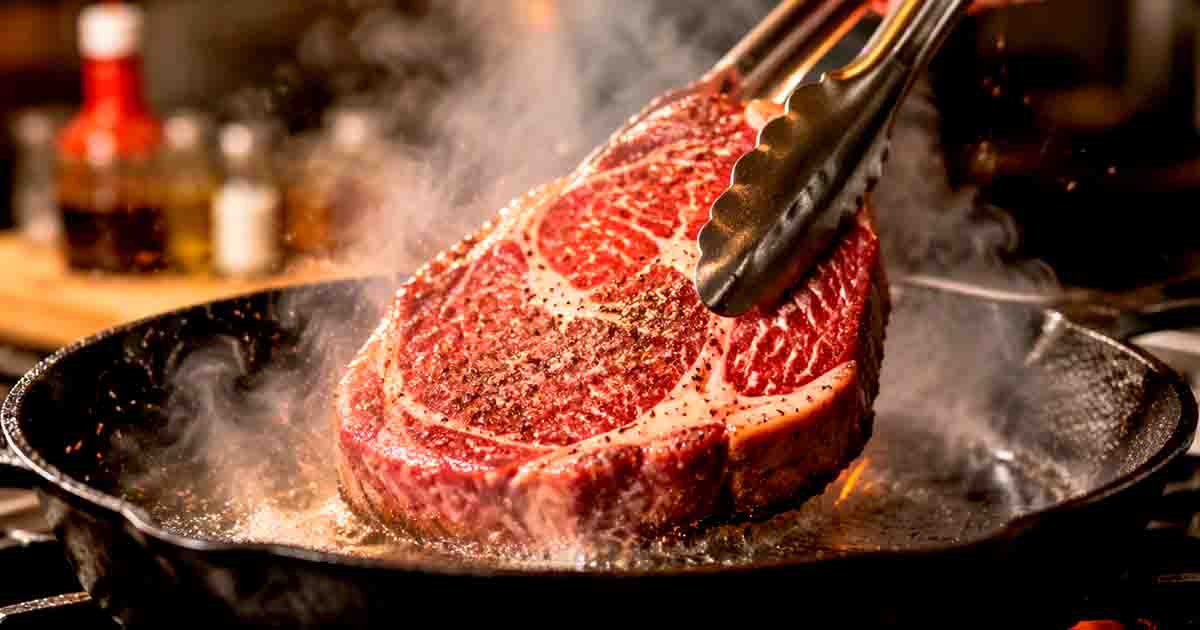
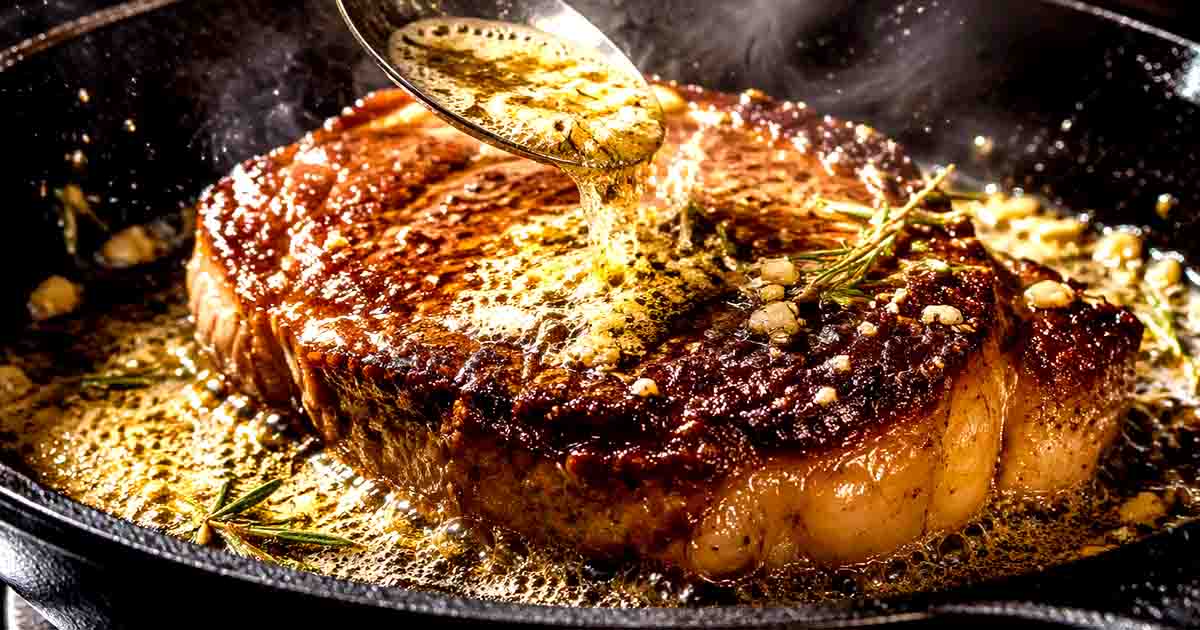
Cast iron over medium-high heat for 3–5 minutes, until a drop of water sizzles and evaporates on contact. Add a high-smoke-point fat — avocado oil, ghee, or clarified butter.
5. Sear without moving it.
3–5 minutes per side depending on thickness. Flip once. Pull it at 130–135°F internal for medium-rare.
6. Rest it.
5–10 minutes on a cutting board before you cut in. Skip this and the juices run out onto the board instead of staying in the meat.
7. Cook the eggs in the same pan.
The rendered fat and browned bits left behind add flavor a clean pan can’t.
- Fried: crack straight into the hot pan; cover the last minute for sunny-side-up.
- Scrambled: whisk with a splash of water or cream, then stir gently over low heat until just set.
- Poached: simmering water with a splash of vinegar, egg slid in from a small bowl, 3–4 minutes.
8. Serve.
Slice the steak against the grain, plate it next to the eggs, adjust seasoning.
Ribeye vs. Sirloin for Steak and Eggs

| Feature | Ribeye | Sirloin |
|---|---|---|
| Fat / marbling | High | Low to moderate |
| Flavor | Rich, buttery | Cleaner, more traditional beef flavor |
| Texture | Tender, juicy | Firmer, some chew |
| Best method | Pan-sear, grill | Grill, stir-fry, sandwiches |
| Price | Higher | More affordable |
| Best for | An indulgent, high-fat breakfast | A leaner, budget-conscious option |
Ribeye is the better choice specifically for steak and eggs because its fat content keeps it from drying out under high heat. Sirloin is a solid swap if you’re watching cost or want a leaner plate.
Cooking Ribeye Steak and Eggs on a Big Green Egg or Charcoal Grill
A ceramic kamado grill adds a smoke layer a stovetop can’t replicate.
- Set up two-zone heat, targeting roughly 375°F (190°C) on the indirect side.
- Sear the ribeye directly over the coals, 1–2 minutes per side, to build a crust.
- Move it to indirect heat, close the dome, and cook to 130–135°F internal for medium-rare.
- Rest it 5–10 minutes, then cook the eggs in a cast-iron skillet on the grill grate or back on the stovetop.
Does Ribeye Steak and Eggs Fit Keto or Carnivore?
Yes, on both counts. Ribeye is high-fat and essentially zero-carb; eggs add protein and fat without adding carbs. A full serving typically stays under 2 grams of carbohydrate.
For keto: the fat content helps hit ketogenic macro ratios without extra effort. Salt matters here too — cutting carbs drops sodium and electrolytes fast, and that’s the usual cause of “keto flu” symptoms in the first week.
For carnivore: both components are animal-based, so the meal fits without modification. Cook in butter or tallow instead of a plant-based oil if you’re keeping the whole plate strictly animal-derived.
Common Mistakes
| Mistake | Why it hurts | Fix |
|---|---|---|
| Cooking a cold steak | Uneven doneness, tougher bite | Rest at room temp 30–45 min before cooking |
| Skipping the rest | Juices spill out on the cutting board | Rest 5–10 min post-cook |
| Overcrowding the pan | Steam instead of sear | One steak per pan, don’t crowd it |
| Wrong cooking fat | Low smoke point, burnt/bitter taste | Avocado oil, ghee, or clarified butter |
| Overcooking the eggs | Dry, rubbery texture | Pull them just before fully set — residual heat finishes the job |
The History Behind Steak and Eggs
Steak and eggs took hold in Australia in the 1800s as a filling, protein-heavy meal for laborers doing physical work all day. It’s still widely regarded as one of Australia’s signature breakfasts.
American Marines stationed in Australia during World War II picked it up and brought it home, which is a big part of why it became a fixture on US diner menus.
The dish also has a genuine NASA connection. Astronaut Alan Shepard ate a high-protein, low-fiber breakfast — reportedly filet mignon wrapped in bacon with scrambled eggs — on the morning of May 5, 1961, before becoming the first American in space aboard Freedom 7.
NASA’s Aerospace Medical Laboratory chose that combination deliberately: high in protein to keep him full through a long prelaunch wait, and low in fiber so he wouldn’t need a bathroom break during the flight, since none was available onboard. The tradition carried through Gemini, Apollo, and beyond — the Apollo 11 crew ate a version of it before their launch to the Moon, and some astronauts still request it before their own missions today. A ribeye is a common home-kitchen stand-in for the original filet mignon, not a historically documented substitution.
Frequently Asked Questions
Is ribeye steak and eggs healthy?
It’s a nutrient-dense, high-protein meal — strong on iron, zinc, and B12 — but it also runs high in saturated fat and calories for a single sitting. Whether that fits your goals depends on the rest of your day’s eating, not on this one meal alone.
Is ribeye steak and eggs keto-friendly?
Yes. It’s naturally near-zero carb with a high fat content, which fits standard ketogenic macros without adjustment.
What’s the difference between ribeye and sirloin for steak and eggs?
Ribeye has more marbling, so it’s richer and more forgiving to cook. Sirloin is leaner, firmer, and less expensive.
Can you cook the steak and eggs in the same pan?
Yes — cook the steak first, let it rest, then cook the eggs in the same pan so they pick up the rendered fat and browned bits.
What temperature should ribeye be cooked to?
130–135°F internal for medium-rare. Pull it a few degrees early since it keeps cooking while it rests.
Where does steak and eggs come from?
Australia in the 1800s, popularized in the US after WWII-era Marines brought it back, and later adopted by NASA as a preflight breakfast starting with Alan Shepard’s 1961 flight.
Reference:
- https://fdc.nal.usda.gov
- https://history.nasa.gov
- https://www.beefitswhatsfordinner.com
- https://www.seriouseats.com
- https://www.dietdoctor.com
Disclaimer:
The information provided in this article is for educational and informational purposes only and should not be construed as professional medical or nutritional advice. Nutritional estimates (including calories, macros, and sodium) are approximations based on standard cooked weights, average trimming, andUSDA data; actual values will vary depending on steak grade, specific brand, preparation, and added cooking fats. Always consult with a qualified healthcare provider or registered dietitian before making significant changes to your diet, especially if you have underlying health conditions or specific dietary requirements.